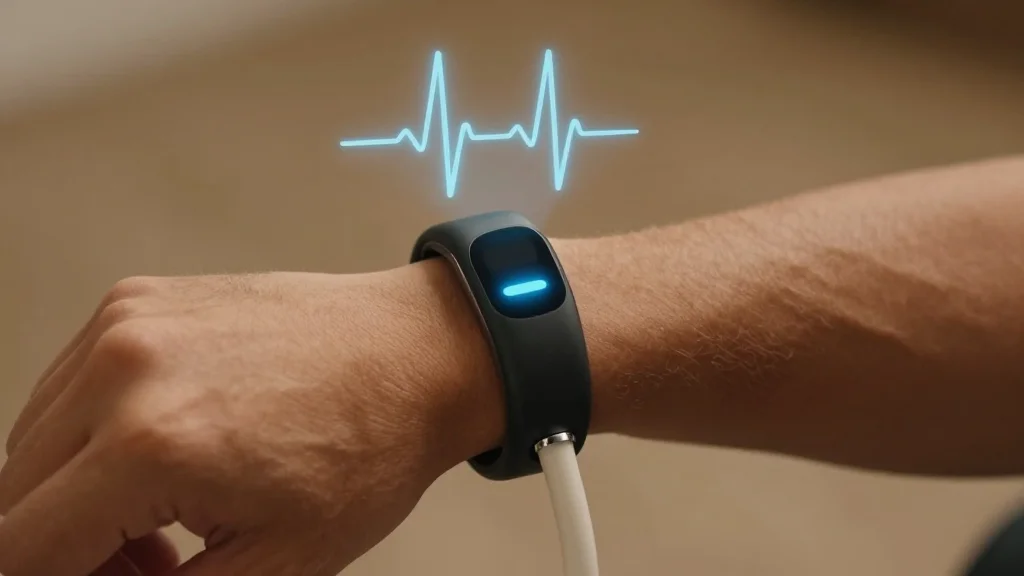
WHOOP Launches Telehealth as Fitbit Becomes Google Health App

Companies Mentioned
Why It Matters
The integration of wearable data into clinical workflows promises to shift health care from episodic, reactive visits to continuous, preventive monitoring. If WHOOP’s telehealth model proves effective, it could accelerate regulatory acceptance of consumer wearables as medical devices and open new reimbursement streams. Meanwhile, Google’s rebranding of Fitbit under the Google Health umbrella consolidates a massive data set that can fuel AI‑driven health insights, potentially reshaping how consumers engage with their own health information. Both developments also raise critical questions about data privacy, consent and the balance of power between tech giants and traditional health providers. As wearables become more medicalized, regulators, insurers and users will need clear frameworks to ensure that the benefits of continuous monitoring are not outweighed by risks of data misuse or algorithmic bias.
Key Takeaways
- •WHOOP launches U.S. in‑app telehealth this summer, linking wearables to clinicians.
- •Fitbit app rebrands as Google Health on May 19, 2026, consolidating under Google’s health platform.
- •WHOOP secured $575 million in funding from Abbott, Mayo Clinic and others to fuel its clinical push.
- •Partnership with HealthEx will sync electronic health records directly into WHOOP’s dashboard.
- •The moves highlight a split strategy: clinician‑centric care vs. consumer‑habit data aggregation.
Pulse Analysis
The twin announcements from WHOOP and Google signal a strategic inflection point for the wearable industry. Historically, devices have been marketed as lifestyle accessories that generate a flood of data with limited actionable insight. WHOOP’s telehealth rollout attempts to close that loop by embedding clinicians into the data stream, effectively turning a fitness tracker into a point‑of‑care device. This could force a re‑evaluation of how insurers reimburse remote monitoring and how FDA regulators classify consumer wearables.
Google’s approach, by contrast, leans on scale and AI. By folding Fitbit into Google Health, the company can harness billions of data points to refine predictive models, personalize health nudges and potentially monetize anonymized datasets for research. The risk, however, is that the consumer‑first model may prioritize engagement metrics over clinical validity, leading to a proliferation of health advice that lacks medical rigor.
In the near term, the market will likely see a convergence of these models. Hybrid platforms that offer both clinician‑reviewed insights and AI‑driven habit formation could become the norm, especially as employers and health plans look for cost‑effective ways to improve population health. Companies that can demonstrate measurable health outcomes—reduced hospitalizations, improved chronic disease management—will attract the next wave of investment and regulatory support. WHOOP and Google are now racing to set the standards that will define the next decade of digital health.
WHOOP launches telehealth as Fitbit becomes Google Health app
Comments
Want to join the conversation?
Loading comments...