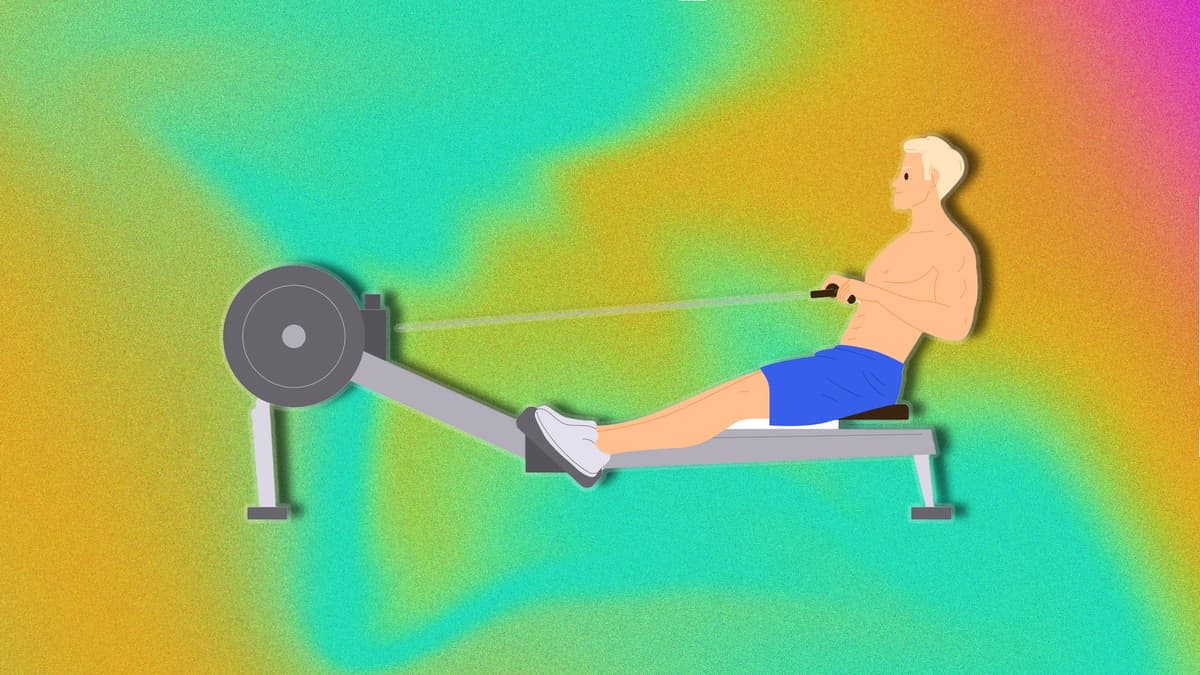
Why a Rowing Machine Session Benefits You More Than Other Common Forms of Cardio
Why It Matters
For fitness professionals and health‑focused consumers, rowing offers a time‑efficient way to boost aerobic capacity and muscular strength while minimizing joint wear, making it a strategic addition to any conditioning program.
Key Takeaways
- •Rowing boosts VO₂ max ~10% after 8 weeks of thrice‑weekly training
- •Engages 80‑85% of major muscle groups, more than treadmill or elliptical
- •Low‑impact on knees; guided rowing reduces pain in mild osteoarthritis
- •Proper technique limits hip labrum stress; increase volume ≤10% weekly
- •Matches treadmill peak VO₂ max while delivering full‑body conditioning
Pulse Analysis
The rowing machine has moved from a forgotten corner of the gym to a headline act in competitive fitness series such as HYROX, sparking a surge in consumer demand. Manufacturers report a 20% year‑over‑year increase in unit sales, reflecting both the sport’s visibility and the broader shift toward functional, high‑intensity training. Unlike single‑focus equipment, the ergometer delivers a synchronized push‑pull motion that taxes the cardiovascular system while recruiting multiple muscle groups. This dual‑purpose design aligns with corporate wellness initiatives that prioritize efficient, measurable workouts, positioning the rower as a versatile asset for both boutique studios and large‑scale health clubs.
Scientific data backs the hype: an eight‑week protocol of three weekly sessions—two steady 30‑minute rows and one interval set—produced a 10% rise in VO₂ max among novices, while elite athletes reached identical peak oxygen uptake on a rower and a bike in a 1995 trial. Electromyography in 2023 confirmed activation of 80‑85% of primary muscles, outpacing treadmill running and elliptical training. The result is a higher caloric burn per minute and a more balanced development of lower‑body power, core stability, and upper‑body pulling strength, making rowing a comprehensive cardio alternative.
To translate these advantages into real‑world performance, practitioners must emphasize technique and progressive overload. Experts recommend limiting weekly stroke‑volume increases to 10% and adhering to the legs‑body‑arms sequence to safeguard hips and knees. A 2022 study on mild knee osteoarthritis showed that guided rowing reduced pain and improved functional speed, underscoring its joint‑friendly profile. Fitness facilities can capitalize on this by offering structured rowing classes, integrating row‑and‑lift circuits, and pairing sessions with targeted glute and hamstring work. As data continues to validate its efficacy, the rowing machine is poised to become a cornerstone of evidence‑based cardio programming.
Why a Rowing Machine Session Benefits You More Than Other Common Forms of Cardio
Comments
Want to join the conversation?
Loading comments...