Why Do the Riders Compete on Road Bikes at Strade Bianche, Not Gravel Bikes?
•March 6, 2026
0
Why It Matters
The equipment decision highlights the trade‑off between performance and marketing in elite cycling, influencing bike manufacturers' development roadmaps and consumer expectations.
Key Takeaways
- •Road bikes offer superior aerodynamics for high‑speed sections
- •Lightweight frames aid climbs on mixed terrain
- •Gravel bikes add weight and reduce aero efficiency
- •Wider tyres on road frames bridge comfort gap
- •Sponsor visibility pushes teams to showcase flagship road models
Pulse Analysis
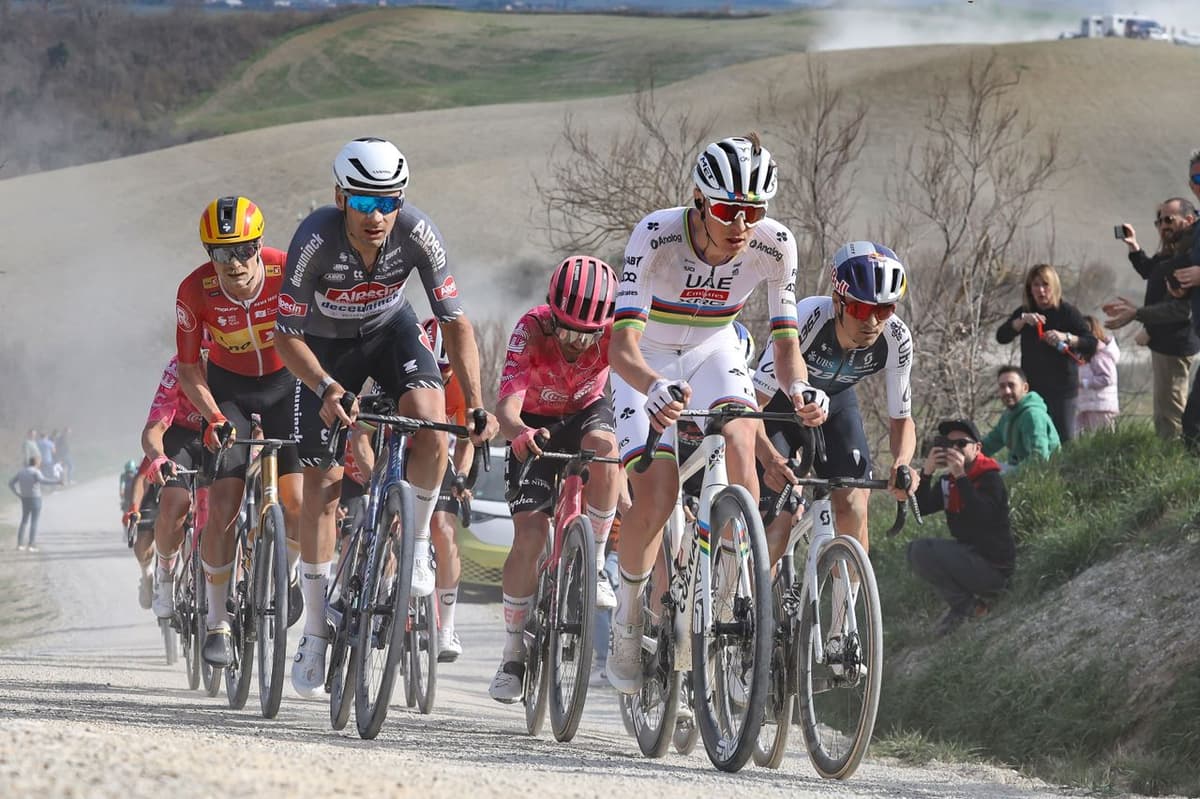
Strade Bianche may look like a gravel classic, but its classification as a UCI WorldTour road race dictates the equipment hierarchy. Roughly two‑thirds of the 184‑kilometre course is paved, and the remaining white‑dust sectors are tackled at speeds that often exceed 50 km/h. At those velocities, aerodynamic drag outweighs the marginal grip advantage of a dedicated gravel frame. Teams therefore opt for ultra‑light, aero‑optimised road bikes such as the Specialized S‑Works Tarmac SL8, which combine stiffness for steep climbs with the ability to slice through fast tarmac sections.
That does not mean gravel technology is absent. Over the past five years manufacturers have widened clearances on road frames, allowing 28‑mm to 32‑mm tyres to run at lower pressures, which softens vibrations on loose surfaces without sacrificing speed. A handful of gravel‑derived machines—Factor’s Ostro VAM, Cervélo Áspero‑5—have appeared at Siena, but they essentially mirror road models with extra tyre room. The subtle crossover satisfies both performance and sponsor objectives: riders gain a more forgiving ride, while brands showcase their flagship road products on a high‑visibility stage.
The equipment choices at Strade Bianche signal a broader shift in the cycling market. As UCI gravel events gain traction, manufacturers are blurring the line between road and gravel, producing hybrid frames that promise aero efficiency, lightweight climbing, and off‑road comfort. For professional squads, the decision will increasingly hinge on route specifics, weather, and the commercial value of brand exposure. Should future editions add more unpaved kilometres or encounter adverse conditions, we may see a tactical gamble on true gravel platforms. Meanwhile, consumer demand for versatile bikes is likely to rise, driving further innovation in tyre technology and frame geometry.
Why do the riders compete on road bikes at Strade Bianche, not gravel bikes?
0
Comments
Want to join the conversation?
Loading comments...