Rapid Fire Powerlifting Q&A | Mark Bell on Form, Failure, Strength & Longevity
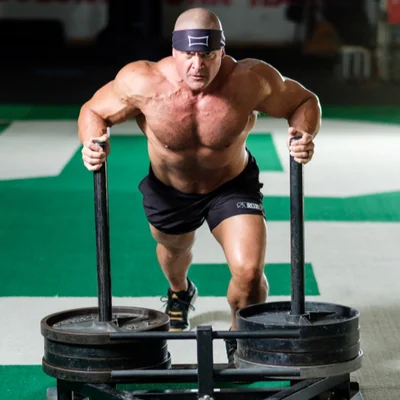
Why It Matters
Balancing technical precision with strategic overload and varied training modalities helps lifters maximize strength while minimizing injury risk, a crucial formula for sustainable performance and longevity in powerlifting.
Key Takeaways
- •Perfect form matters, but occasional breakdown fuels strength gains
- •Leverage differences explain squat vs deadlift performance variations
- •Aim for functional bodyweight movements to support longevity
- •Train to technical failure, not muscular exhaustion, for optimal recovery
- •Incorporate speed, endurance, and max-effort work for faster strength
Summary
In a rapid‑fire Q&A, Mark Bell addresses common power‑lifting dilemmas—from perfect form versus maximal loading, to leverage‑driven squat versus deadlift imbalances, and the role of body‑weight strength for long‑term health.
Bell argues that flawless technique is ideal but not mandatory on every set; the final reps of a 5×5 should feel like the first, pushing to technical failure while avoiding overt muscular fatigue. He explains that anatomical leverage—longer limbs, shorter torso—often lets lifters, especially women, deadlift more than they squat, and that baseline body‑weight movements such as full‑range push‑ups, pull‑ups and box jumps are practical strength‑to‑weight metrics.
Key soundbites include, “Lift it perfectly or lift it whatever way you can,” and, “Your last rep should look like the first rep of your first set.” Bell also cites examples from soccer players, bodybuilders turned lifters, and gymnasts to illustrate how endurance and general physical preparedness accelerate strength gains.
The takeaway for athletes is to blend max‑effort, dynamic‑effort and repetition‑effort methods, incorporate speed work, and schedule post‑competition deloads to protect joints and cardiovascular health, thereby extending competitive longevity.
Comments
Want to join the conversation?
Loading comments...