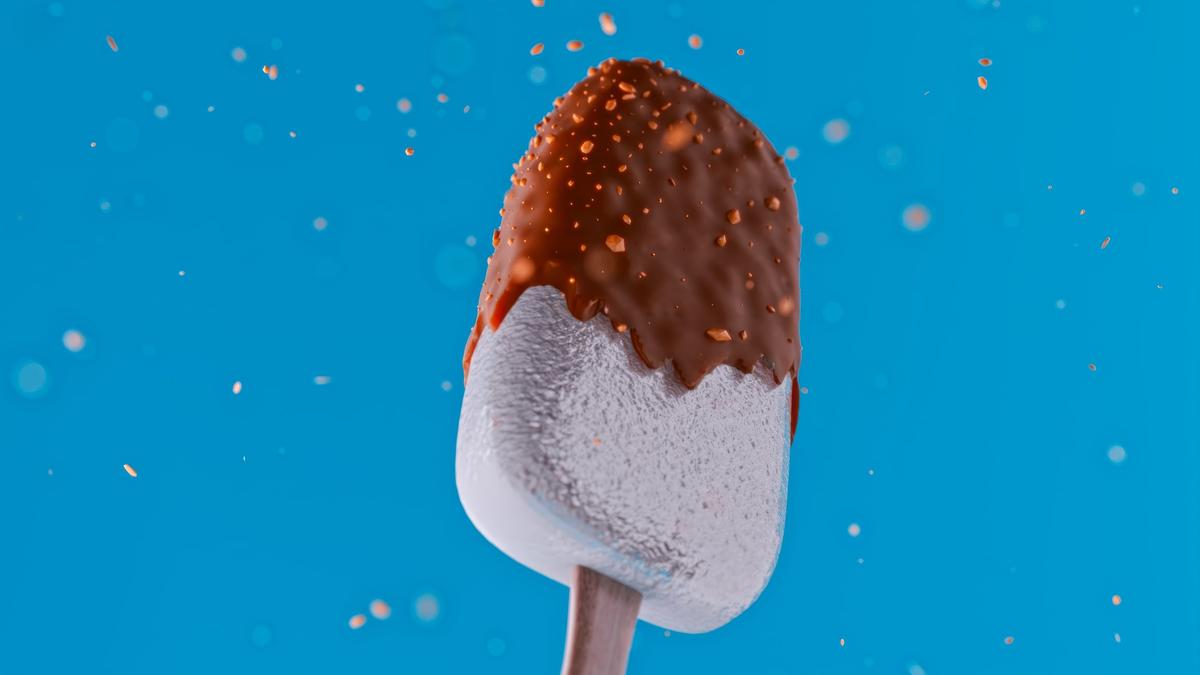
Why Texture Is the New King of Ice Cream
Companies Mentioned
Why It Matters
Texture‑driven innovation reshapes R&D priorities and unlocks higher‑margin formats, giving brands a competitive edge in a crowded freezer aisle. The trend signals sustained category growth and new revenue streams for both incumbents and challengers.
Key Takeaways
- •Häagen‑Dazs launches crunchy chocolate‑coated stick bars
- •Ben & Jerry’s Sundae line tops 2025 sales
- •Mochi ice cream hits $80 M US sales, double‑digit growth
- •Sandwich ice creams revive texture focus with biscuit bases
- •Bite‑size ice creams attract Gen Z, premiumising category
Pulse Analysis
The ice‑cream landscape is undergoing a tactile revolution. While flavor has long been the headline, consumer research from Mintel shows that texture now dictates purchase decisions, with layered swirls, crunchy coatings and chew‑rich formats commanding premium price points. This shift reflects broader snacking trends where mouthfeel and sensory novelty are as valuable as taste, prompting manufacturers to re‑engineer product structures from the first bite to the finish.
Industry leaders are translating the texture imperative into distinct product families. Häagen‑Dazs introduced thick‑coated stick bars that combine dense chocolate shells with fruit or nut inclusions, while Ben & Jerry’s Sundae range layers whipped‑cream, swirls and chunky mix‑ins to create a “textural treasure hunt.” Sandwich‑style ice creams from Oreo and Lotus Biscoff emphasize structural contrast, and mochi‑style treats have surged to $80 million in U.S. sales, driven by social‑media virality and an expanding double‑digit growth trajectory. The recent acquisition of My/Mochi by Morinaga America underscores the strategic value of chewy formats.
For the broader market, texture innovation is a catalyst for premiumisation. Bite‑size offerings, now popular among Gen Z shoppers, allow brands to command higher per‑unit prices while delivering portion control. Kantar data shows these mini‑cups boost overall basket spend, reinforcing the freezer aisle’s evolution from a flavor‑first to a multi‑sensory category. Companies that embed texture into their R&D pipelines are poised to capture incremental growth, differentiate on shelf impact, and meet the rising consumer demand for experiential indulgence.
Why texture is the new king of ice cream
Comments
Want to join the conversation?
Loading comments...