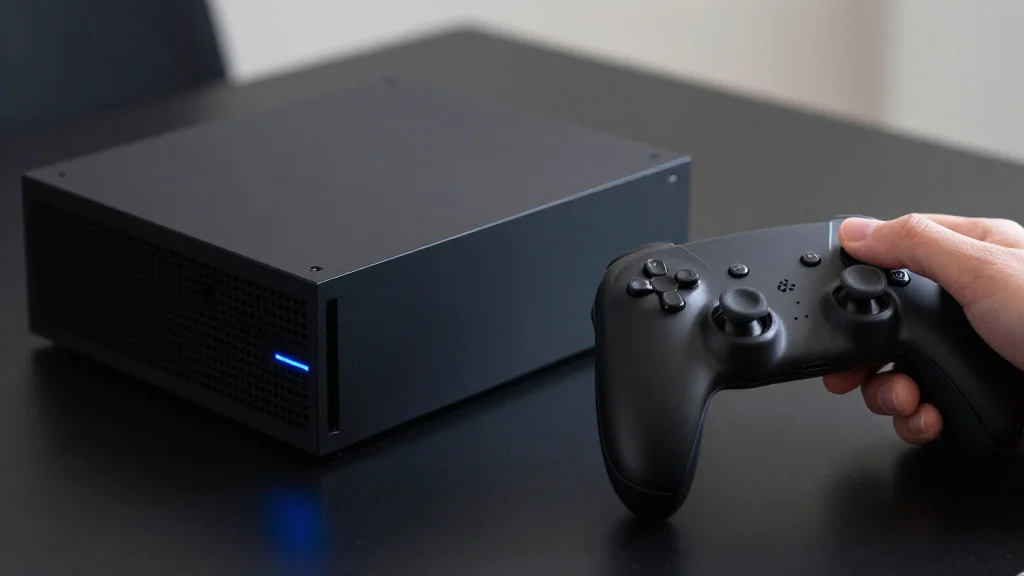
Exclusive Games Drive 41% of US Console Purchases, Circana Survey Shows

Companies Mentioned
Why It Matters
The Circana data quantifies the enduring power of exclusive titles to drive console hardware sales, a metric that directly impacts manufacturers’ revenue streams and ecosystem lock‑in. As the gap narrows, companies must decide whether to double down on costly first‑party development or to embrace a more open, multiplatform approach that could broaden audience reach but dilute hardware differentiation. For investors and developers alike, the shift signals where future funding may flow: studios with strong exclusive pipelines could command premium publishing deals, while those focused on cross‑platform live services may find broader distribution opportunities. The balance between these strategies will shape the competitive dynamics of the console market for years to come.
Key Takeaways
- •41% of U.S. gamers cite exclusive games as the primary reason for buying a console, per Circana Q1 2026 survey.
- •Exclusives' share fell 8 points from the previous year, indicating a gradual erosion of their dominance.
- •38% of respondents buy consoles to play with friends or family on the same ecosystem.
- •Microsoft’s first‑party titles generated roughly $667 million on PlayStation, highlighting cross‑platform revenue potential.
- •Xbox CEO Asha Sharma announced a re‑evaluation of exclusivity strategy for the upcoming Project Helix.
Pulse Analysis
The survey’s headline—exclusives still lead but are losing steam—mirrors a broader industry inflection point. Historically, console wars have hinged on blockbuster first‑party titles that act as halo products, driving hardware adoption and ecosystem loyalty. However, the rise of live‑service games and the ease of cross‑platform publishing have diluted that advantage. Microsoft’s aggressive multiplatform rollout, while intended to broaden its install base, may inadvertently erode the perceived value of Xbox‑only experiences, forcing the company to recalibrate its content strategy for Project Helix.
Sony’s response appears to be a re‑commitment to high‑budget exclusives, leveraging its proven ability to translate marquee releases into hardware spikes, as seen with God of War Ragnarök. Yet the diminishing exclusives share suggests that even Sony cannot rely solely on blockbuster titles to sustain growth; it must also nurture a robust catalog of third‑party and indie offerings that keep the platform vibrant.
Nintendo’s position is unique: its Switch 2’s success is less about blockbuster exclusives and more about a curated, family‑friendly ecosystem. The data implies that while exclusives remain a key purchase driver, a diversified portfolio—mixing exclusive flagship titles with strong cross‑platform live services—will likely be the winning formula in a market where consumer preferences are fragmenting and price sensitivity is rising.
Exclusive Games Drive 41% of US Console Purchases, Circana Survey Shows
Comments
Want to join the conversation?
Loading comments...