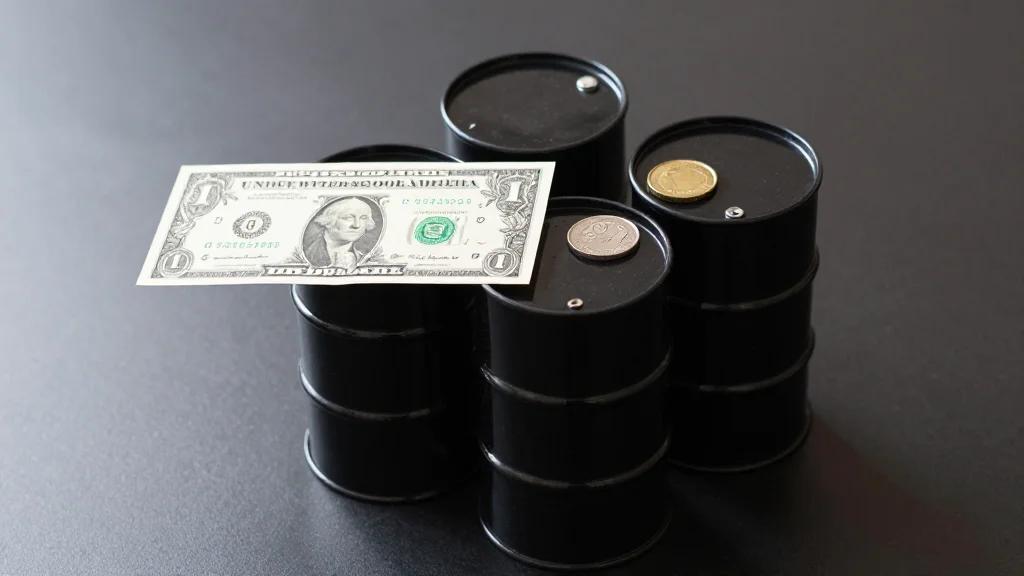
A Q&A About the ‘Petrodollar’
Key Takeaways
- •Petrodollar created 1970s linking oil sales to US dollar
- •Guarantees dollar demand via oil export contracts
- •Erosion due to sanctions, diversification, and renewable energy
- •China and Russia promote yuan and ruble for oil trades
- •Shift could reshape global finance and US fiscal stability
Pulse Analysis
The petrodollar emerged after the 1971 Nixon shock, when the United States struck a pact with Saudi Arabia to price oil exclusively in dollars. This arrangement secured a steady stream of dollar demand, as oil‑importing nations had to hold U.S. currency for transactions, reinforcing the dollar’s status as the world’s reserve currency. Over the decades, the system has been bolstered by U.S. military presence in the Gulf and a network of financial institutions that facilitate dollar‑denominated oil trade.
In recent years, the petrodollar’s grip is loosening. Western sanctions on Russia and Iran have prompted those countries to seek non‑dollar payment mechanisms, while China’s Belt and Road Initiative encourages yuan‑based oil contracts. Simultaneously, the growth of digital stablecoins and blockchain platforms offers alternative settlement layers that bypass traditional banking channels. Coupled with a global pivot toward renewable energy, the reduced reliance on fossil fuels threatens the volume of dollar‑linked oil sales that have historically sustained the currency’s dominance.
The potential decline of the petrodollar carries profound implications for U.S. fiscal policy and geopolitical influence. A diminished dollar demand could raise borrowing costs for the U.S. Treasury, pressuring interest rates and inflation management. Policymakers may respond by reinforcing diplomatic ties with oil‑producing allies, expanding the use of dollar‑denominated financial instruments, or accelerating domestic energy transitions to mitigate exposure. Observers watch closely as the interplay of sanctions, emerging currencies, and climate policy reshapes the architecture of global finance.
A Q&A about the ‘petrodollar’
Comments
Want to join the conversation?