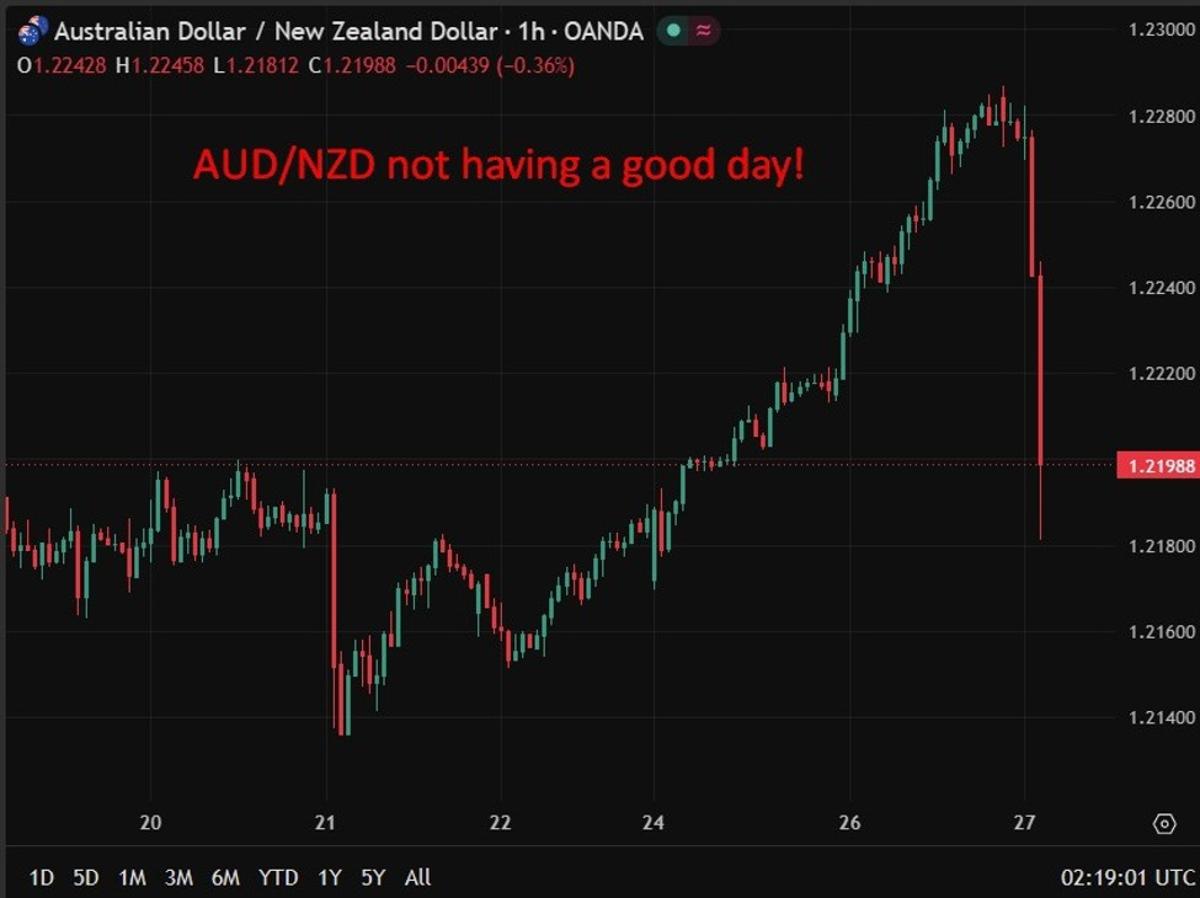
Australia April CPI Slows to 4.2% but Core Inflation Creeps to Highest Since 2024
Key Takeaways
- •April CPI 4.2% YoY, below 4.4% forecast
- •Fuel excise cut drove headline dip; expires July
- •Trimmed mean core inflation rose to 3.4% YoY, highest since late‑2024
- •Core inflation above RBA target, keeping June pause uncertain
Pulse Analysis
The April CPI report gave Australian markets a brief reprieve, with headline inflation slipping to 4.2% year‑over‑year, well under analysts’ 4.4% expectation. The dip was largely a statistical artifact of the government’s three‑month fuel excise reduction, which shaved a few tenths of a percent off transport prices. While the headline looks healthier, the underlying price pressures tell a different story, and economists caution against reading too much into a one‑off tax measure that is set to unwind in July.
More concerning for the Reserve Bank of Australia is the behavior of core inflation. The trimmed‑mean gauge, the RBA’s preferred barometer of persistent price trends, rose 0.3% month‑on‑month, nudging the annual rate to 3.4% – the highest reading since late‑2024 and still above the upper edge of the 2‑3% target range. The weighted‑median CPI, another core indicator, posted a 3.5% annual increase. These figures suggest that the tightening cycle, which has seen three rate hikes this year, has yet to translate into a decisive slowdown in underlying inflation, keeping policy makers on edge.
Looking ahead, the July expiry of the fuel excise cut will likely add a mechanical boost to headline CPI, regardless of the trajectory of core prices. That timing coincides with the RBA’s June policy meeting, where a pause remains plausible only if the data stay within the bank’s own forecasts. Market participants will be watching the May and June releases closely; any further uptick in trimmed‑mean inflation could close the window for a pause and prompt another rate increase. In the meantime, investors should factor in heightened volatility in Australian bond yields and the potential for a more hawkish stance in the second half of 2026.
Australia April CPI slows to 4.2% but core inflation creeps to highest since 2024
Comments
Want to join the conversation?