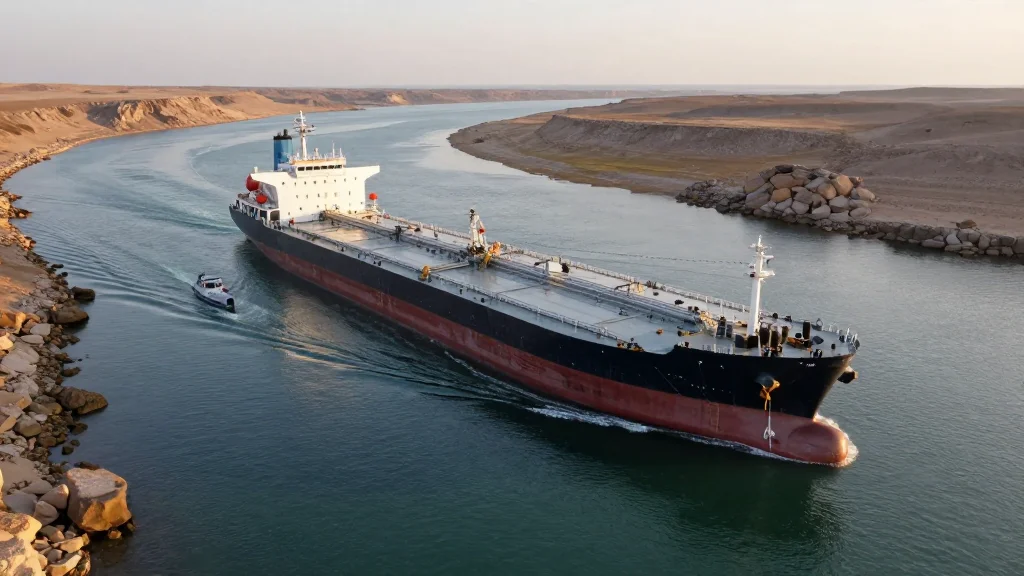
De-Risking the Strait of Hormuz After the Iran War
Key Takeaways
- •UAE and Saudi Arabia expanding pipeline capacity to bypass Hormuz
- •Kuwait investing in offshore storage to hedge shipping disruptions
- •Oman developing alternative ports for crude export to Europe
- •Gulf firms increasing LNG purchases to reduce oil transit risk
- •Regional navies coordinating escort missions to secure commercial vessels
Pulse Analysis
The Iran‑Israel war has thrust the Strait of Hormuz into the spotlight as a live threat to the world’s most vital oil corridor. Historically, Tehran’s capacity to close the strait was a strategic contingency; now, actual missile strikes and naval confrontations have demonstrated that disruption is a realistic outcome. Energy traders have responded by adding a risk premium to Hormuz‑bound cargoes, prompting Gulf governments to reassess the cost of dependence on a single maritime bottleneck.
In parallel, Gulf states are deploying a suite of infrastructure projects to diversify export pathways. Saudi Arabia and the United Arab Emirates are fast‑tracking the East‑West Crude Pipeline and the Red Sea‑to‑Europe pipeline, respectively, effectively creating land‑based alternatives that sidestep the strait. Oman is expanding its port facilities at Duqm and Salalah, while Kuwait is building offshore floating storage and offloading units (FSO) to hold crude during transit delays. These investments not only mitigate immediate security risks but also enhance long‑term logistical flexibility, allowing producers to route oil through the Red Sea, the Arabian Sea, or even overland to Mediterranean terminals.
The broader market impact is significant. By reducing Hormuz‑related uncertainty, Gulf exporters can lower insurance costs and stabilize price differentials between Brent and regional benchmarks. Investors are reallocating capital toward pipeline equity, port infrastructure, and LNG contracts, reflecting a shift from a purely oil‑centric model to a more balanced energy portfolio. As regional navies increase escort operations and diplomatic channels work to de‑escalate tensions, the de‑risking strategy is likely to become a permanent feature of Gulf energy policy, reshaping global supply dynamics for years to come.
De-risking the Strait of Hormuz After the Iran War
Comments
Want to join the conversation?