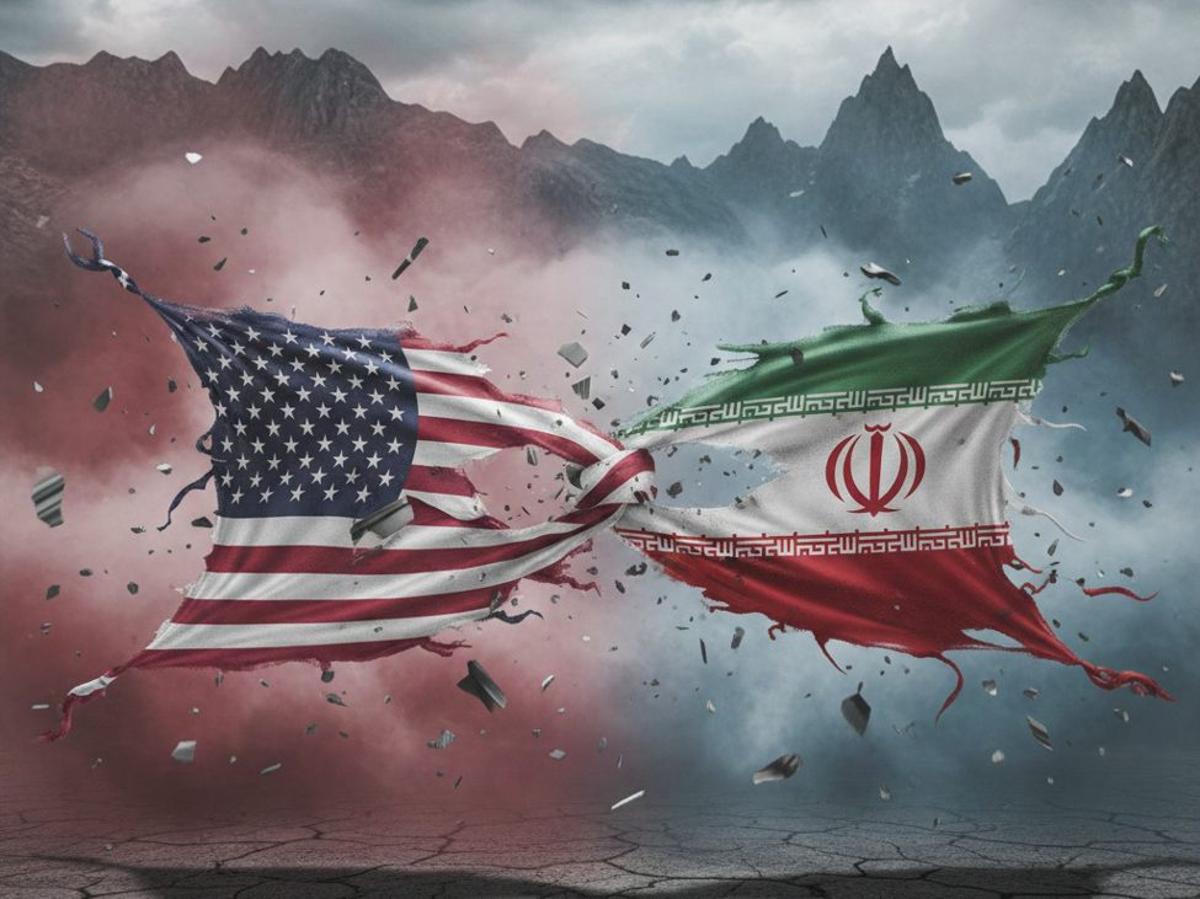
Dollar May yet Benefit From Further US-Iran Geopolitical Escalation - BofA
•February 24, 2026
0
Why It Matters
The potential escalation creates a clear macro trade signal, positioning the dollar as a safe‑haven asset while pressuring risk‑on currencies. Investors and corporates must adjust hedging strategies accordingly.
Key Takeaways
- •US-Iran tension odds rise to 69% by June
- •BofA expects higher oil, weaker equities boost USD
- •USD likely outperforms NZD, AUD, SEK if conflict escalates
- •Short NZD/USD recommended as hedge against escalation
- •NZD/USD range testing support near 0.5900
Pulse Analysis
The prospect of a U.S. strike on Iran has moved from speculation to measurable probability, with Polymarket betting markets now assigning a 69 percent chance of action before the end of June. Such a development would revive the classic risk‑off narrative that surfaced during past Middle‑East crises, driving investors toward assets perceived as safe stores of value. In this environment, the U.S. dollar typically benefits from heightened oil prices and a retreat from risk‑sensitive equities, reinforcing its role as the world’s primary reserve currency.
Bank of America’s latest FX outlook translates that macro backdrop into a concrete currency hierarchy. Higher crude prices lift the dollar against commodity‑linked pairs, notably the New Zealand dollar, Australian dollar and Swedish krona, which are more exposed to energy import costs and export‑driven growth. Simultaneously, a weakening equity market reduces demand for high‑yielding, risk‑on currencies, further sharpening the USD’s relative strength. The bank therefore flags a short position in NZD/USD as the most direct hedge, betting that the pair will stay constrained near its technical floor.
Technical charts confirm the narrative, with NZD/USD confined to a narrow 0.5900‑0.6075 band since late January and testing support at 0.5900 this week. A decisive break below the 0.5900 level could open a path toward the 200‑day moving average around 0.5875, offering additional downside potential for traders. For portfolio managers, the convergence of geopolitical risk, oil price dynamics, and currency technicals creates a rare alignment of fundamental and chart‑based signals, making the dollar‑centric trade a compelling addition to risk‑adjusted strategies.
Dollar may yet benefit from further US-Iran geopolitical escalation - BofA
0
Comments
Want to join the conversation?
Loading comments...