From Infrastructure Investment to Expanded Market Access: China’s Belt and Road Initiative in Africa and the Implications for U.S. Trade Policy
•March 9, 2026
0
Key Takeaways
- •China-Africa trade reached $348 billion in 2025.
- •94% of Chinese Africa financing are loans, mainly infrastructure.
- •China grants zero tariffs to all 53 African partners 2026.
- •US AGOA reauthorized through 2026, covering 1,800 products.
- •USAID cuts removed 80% of aid programs in Africa 2025.
Summary
China’s Belt and Road Initiative has propelled its trade with Africa to $348 billion in 2025, a 17.7% jump driven largely by a surge in Chinese exports and massive infrastructure‑focused loans. The initiative recently expanded zero‑tariff market access to all 53 African nations with diplomatic ties, effective May 2026. Meanwhile, the United States reauthorized the African Growth and Opportunity Act (AGOA) through 2026, but its trade footprint remains modest, and U.S. development aid in Africa was slashed by over 80% after a 2025 policy shift.
Pulse Analysis
The Belt and Road Initiative’s evolution from pure infrastructure financing to a hybrid model that couples loans with market‑opening measures reshapes Africa’s trade landscape. By channeling roughly $320 billion in loans—94% of which fund roads, ports, and power—China reduces logistics costs and creates supply‑chain dependencies that favor its exporters. The recent zero‑tariff extension to every African state with diplomatic ties amplifies this advantage, turning trade facilitation into a strategic lever that can outpace traditional aid‑driven models.
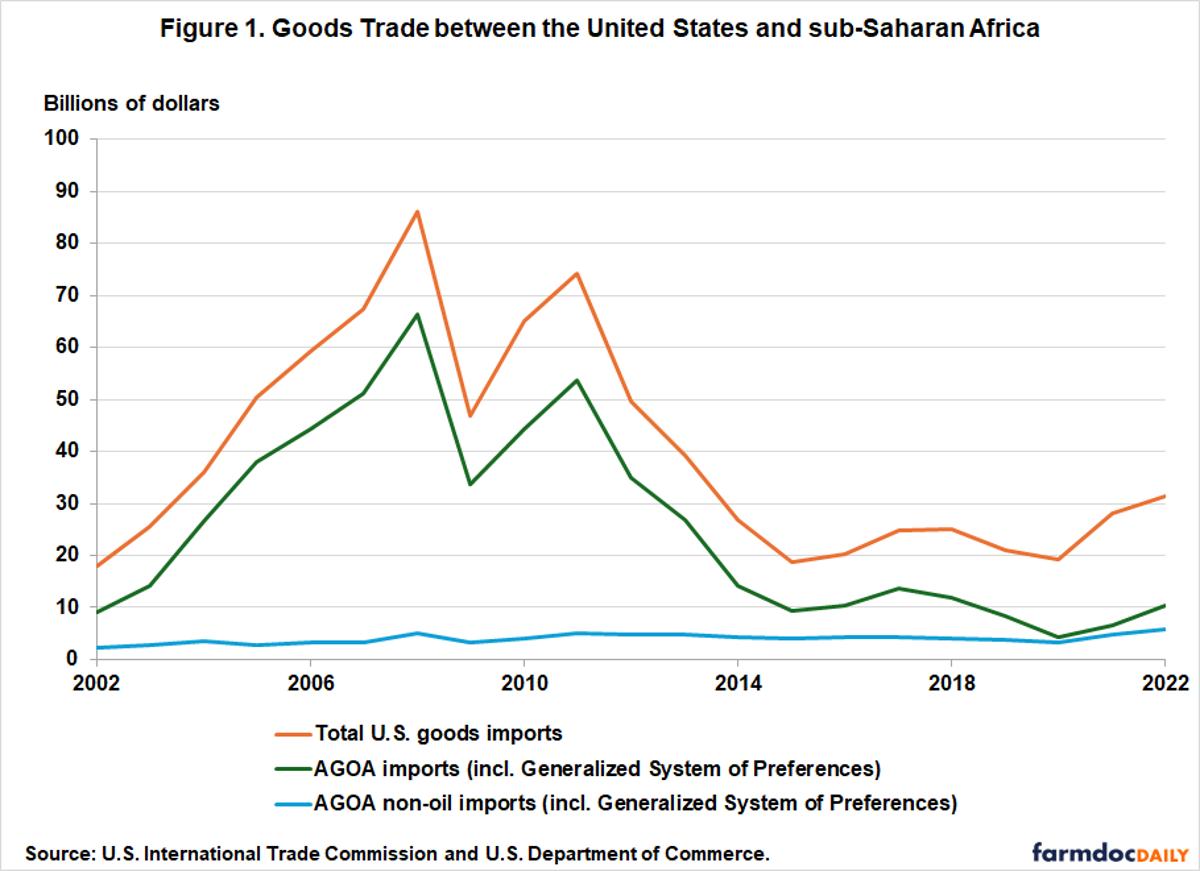
For the United States, AGOA remains the primary conduit for duty‑free access to African markets, yet it accounts for a fraction of overall U.S.–Africa trade. The program supports high‑value agricultural and apparel exports, generating millions of jobs in countries like Kenya and Lesotho. However, the abrupt contraction of USAID’s footprint—over 80% of programs halted in early 2025—has weakened the U.S. development presence that historically underpinned trade relationships and capacity‑building initiatives.
The juxtaposition of China’s aggressive market‑access policy and the United States’ constrained aid and trade tools creates a pivotal policy crossroads. As African incomes rise, demand for premium food products and manufactured goods will grow, presenting a lucrative opportunity for U.S. agribusinesses if they can secure reliable market channels. Policymakers must consider expanding reciprocal trade agreements, leveraging technology transfer, and possibly re‑balancing aid to protect strategic interests against China’s expanding economic influence.
Comments
Want to join the conversation?