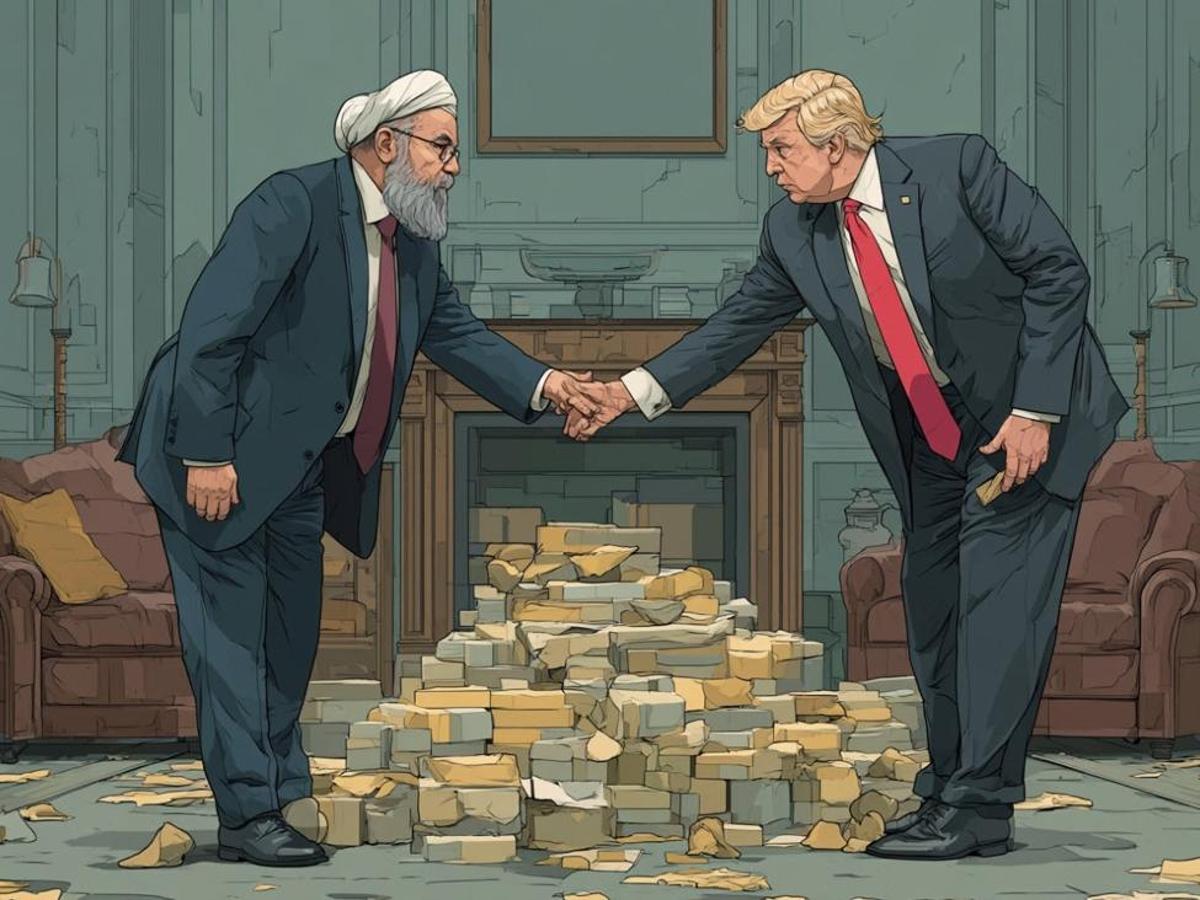
Iran-US MOU Signed but Baghaei Fires Warning on Missiles, Uranium and Hormuz Fees
Key Takeaways
- •Iran and U.S. electronically signed the MOU, ending immediate escalation risk
- •Iran rejects any missile negotiations, keeping defense talks off the table
- •Enriched uranium will stay in Iran; only dilution considered, no export
- •Hormuz transit fees will be imposed, creating a cost floor for tankers
- •Markets may view the MOU as modest progress, but risk premium remains
Pulse Analysis
The electronic signing of the Iran‑U.S. memorandum of understanding marks a diplomatic milestone after years of stalled talks. By formalising a framework that halts immediate conflict escalation, both sides signal a willingness to engage, yet the agreement’s narrow scope—focused on nuclear compliance and economic measures—leaves broader security concerns untouched. Analysts note that the MOU’s limited ambit reflects the delicate balance Washington seeks: easing sanctions enough to unlock Iranian oil while maintaining leverage on Tehran’s regional behavior.
Baghaei’s blunt refusal to discuss missile capabilities or permit enriched uranium exports underscores the deal’s constraints. For U.S. policymakers, this hard‑line stance complicates bipartisan support, as critics worry the agreement may not sufficiently curb Iran’s strategic weapons programs. The absence of a missile dialogue means any future negotiations will likely be protracted, keeping the geopolitical risk premium embedded in oil futures. Meanwhile, the dilution option for uranium, rather than outright export, offers a modest verification pathway but falls short of the broader non‑proliferation expectations of many Western legislators.
The introduction of a Hormuz transit‑fee regime adds a structural cost layer for global oil logistics. Tanker operators and crude importers will now factor a predictable fee into shipping calculations, potentially dampening the volatility that has historically accompanied Strait‑of‑Hormuz tensions. This fee floor could stabilize revenue streams for regional service providers while ensuring that any future de‑escalation does not erase the economic incentive to maintain secure passage. As negotiations continue, market participants will watch for how these fee structures interact with broader sanctions relief and whether they become a template for similar strategic waterways.
Iran-US MOU signed but Baghaei fires warning on missiles, uranium and Hormuz fees
Comments
Want to join the conversation?