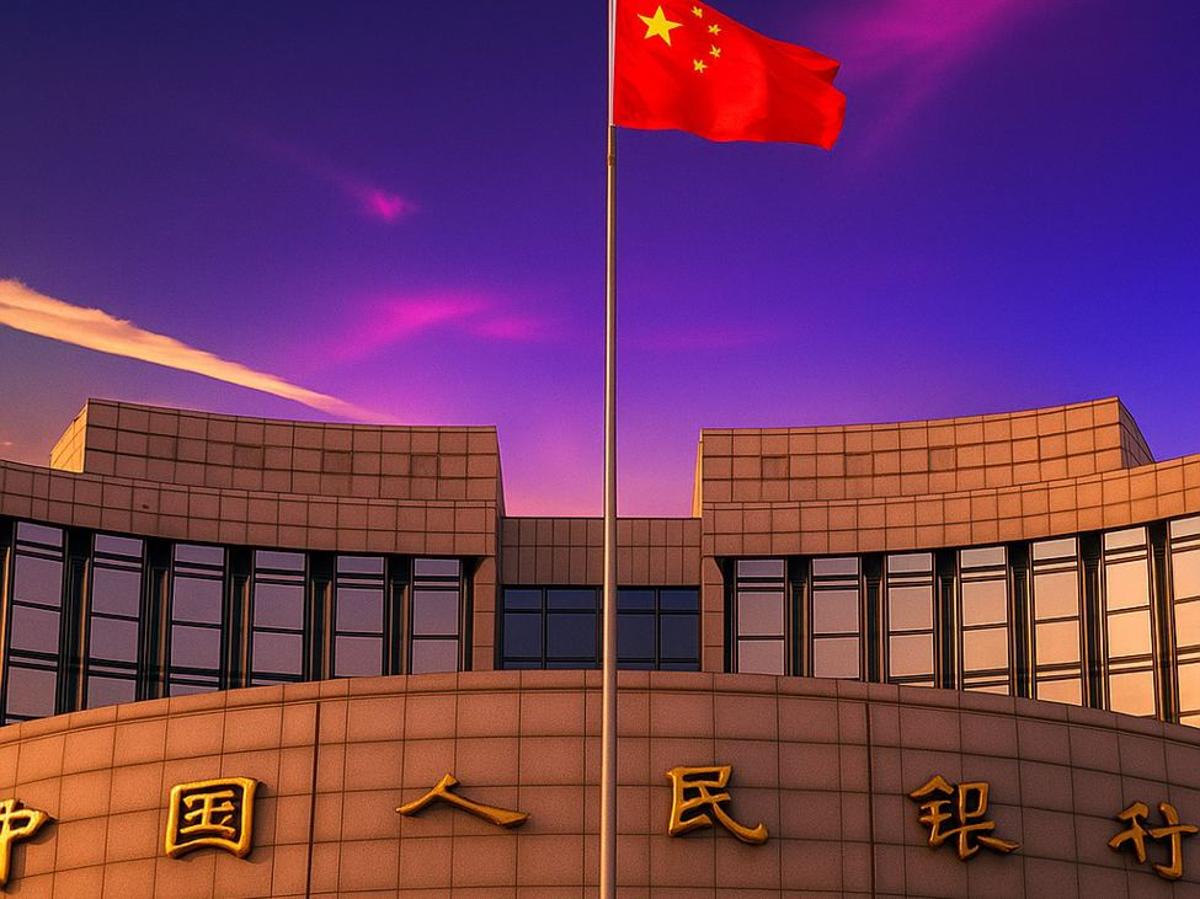
PBOC Resumes Injections After Two-Day Pause that Forced Banks to Deploy Idle Cash
Key Takeaways
- •PBOC injected 215bn yuan ($30bn) via 7‑day reverse repos Friday.
- •Net weekly withdrawal hit 682.7bn yuan ($96bn), largest in three months.
- •Pause aimed to push idle bank reserves into real‑economy lending.
- •Banks hold excess reserves amid weak loan demand, prompting policy nudge.
- •Effectiveness will be judged by upcoming credit‑growth data.
Pulse Analysis
The People's Bank of China uses reverse repurchase agreements as its primary tool for managing interbank liquidity. After halting operations for two days, the PBOC injected 215 billion yuan on Friday, but the week’s net effect was a withdrawal of 682.7 billion yuan – the steepest pullback since early 2024. This dual action reflects a calibrated approach: short‑term injections keep the money market orderly, while the broader withdrawal drains excess reserves that have been circulating without reaching borrowers.
Chinese banks have amassed sizable excess reserves as loan demand stalls and risk appetite wanes. By allowing prior week repos to mature without rolling them over, the PBOC effectively shrank the cushion that encourages banks to park cash in the interbank system. The policy’s intent is to nudge banks toward allocating funds to households and firms, thereby expanding broad money rather than merely sustaining interbank liquidity. This distinction matters because credit growth directly fuels consumption, investment, and ultimately, GDP.
Investors will watch credit‑growth indicators and loan‑approval data in the coming weeks to gauge the policy’s efficacy. If banks respond by extending more loans, the move could bolster domestic demand and support the yuan’s stability. Conversely, if banks tighten further, the withdrawal could exacerbate liquidity strains. The PBOC’s strategy underscores a broader shift in China’s monetary policy: moving from blanket liquidity provision to targeted incentives that align bank behavior with macro‑economic objectives.
PBOC resumes injections after two-day pause that forced banks to deploy idle cash
Comments
Want to join the conversation?