RBNZ Hike Path Collides with Weakest Labour Market in Ten Years, Silk Speaks Today
Key Takeaways
- •RBNZ split 3-3 on rate hike; hold decision by casting vote
- •Inflation forecast 4.3% from Iran energy shock, above target band
- •Unemployment at 5.3%, projected to stay near 5.4% for year
- •Single mandate limits employment considerations; Labour may restore dual mandate
- •Two more quarter‑point hikes expected before year‑end
Pulse Analysis
The Reserve Bank of New Zealand’s May Monetary Policy Statement highlighted a deep division among its board, with a 3‑3 vote on whether to raise the official cash rate. Governor Anna Breman’s casting vote kept the rate at 2.25%, but the board signaled at least two more quarter‑point hikes before year‑end. The primary driver is a sharp inflation uptick, now forecast at 4.3% as the Iran conflict fuels global energy prices, pushing New Zealand’s consumer price index well beyond the 1‑3% target band.
Labor market weakness adds a counterweight to the inflation narrative. Unemployment has risen to 5.3%, the highest in a decade, and the RBNZ expects it to hover around 5.4% for the next twelve months. Under the single‑mandate framework introduced in 2023, the bank’s statutory focus remains on price stability, limiting the weight given to employment concerns. However, the upcoming November election could reshape this balance; the Labour Party has pledged to reinstate a dual mandate, re‑introducing employment as an explicit policy objective and potentially curbing further rate hikes.
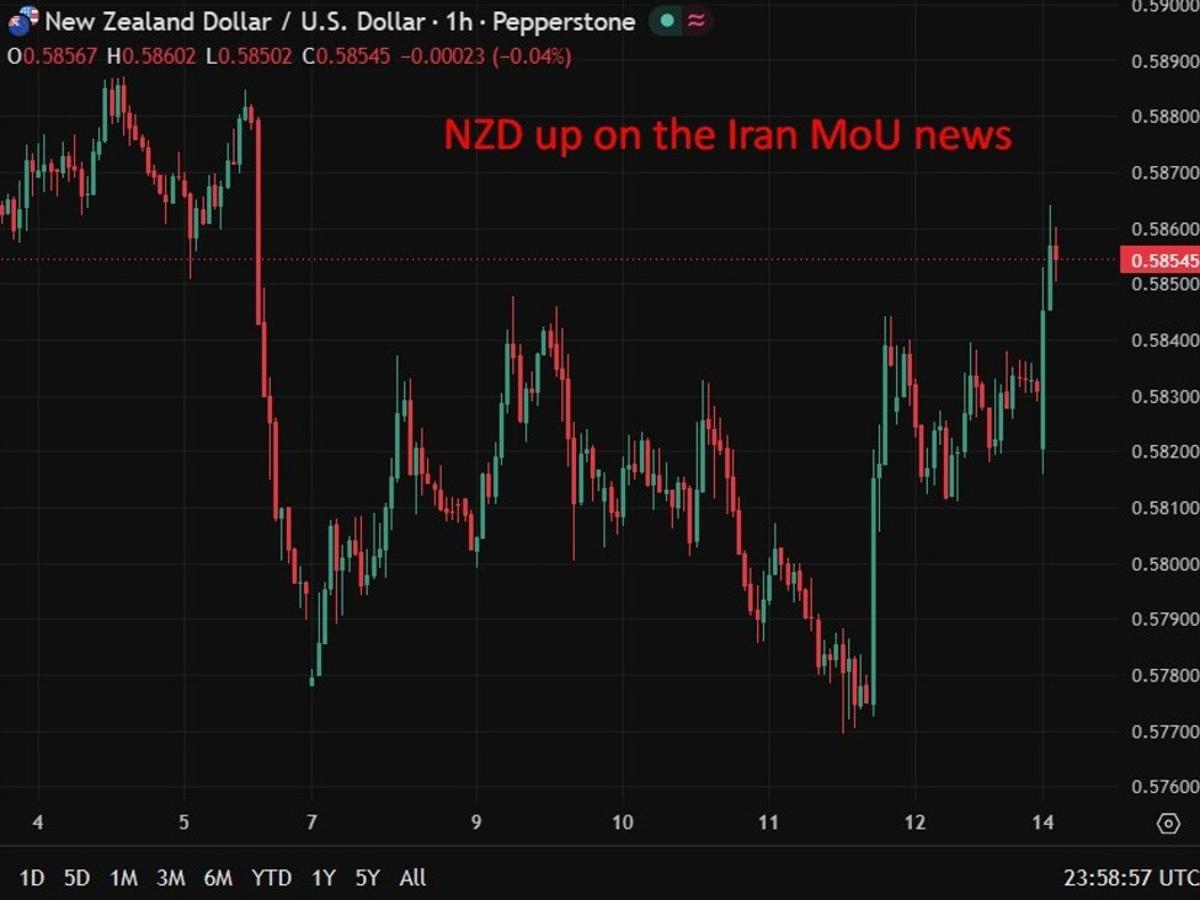
For markets, the split decision and the projected inflation trajectory keep the New Zealand dollar on a volatile path. Investors are pricing in the likelihood of additional tightening, while also monitoring political developments that could alter the central bank’s mandate. The next RBNZ meeting on July 8 will be a key test of whether the board maintains its hawkish stance or adjusts in response to labor market data and electoral pressures, influencing everything from mortgage rates to corporate financing costs in the region.
RBNZ hike path collides with weakest labour market in ten years, Silk speaks today
Comments
Want to join the conversation?