Global Economy Pulse Daily Digest
Global Economy Pulse Daily Digest
Global Economy Pulse
EMAIL DIGESTS
Daily
Every morning
Weekly
Tuesday recap
EMAIL DIGESTS
Daily
Every morning
Weekly
Tuesday recap
Thursday, April 9, 2026
Market Intelligence for Global Economy Professionals

Oil prices rebound above $100 as Hormuz supply worries resurface
WTI crude briefly hit $102 a barrel and Brent hovered near $95 after a two‑week US‑Iran cease‑fire initially pulled prices lower. Renewed concerns over limited shipping through the Strait of Hormuz have reignited upward pressure on oil. Insurers report continued low traffic through the chokepoint, keeping market nerves high.
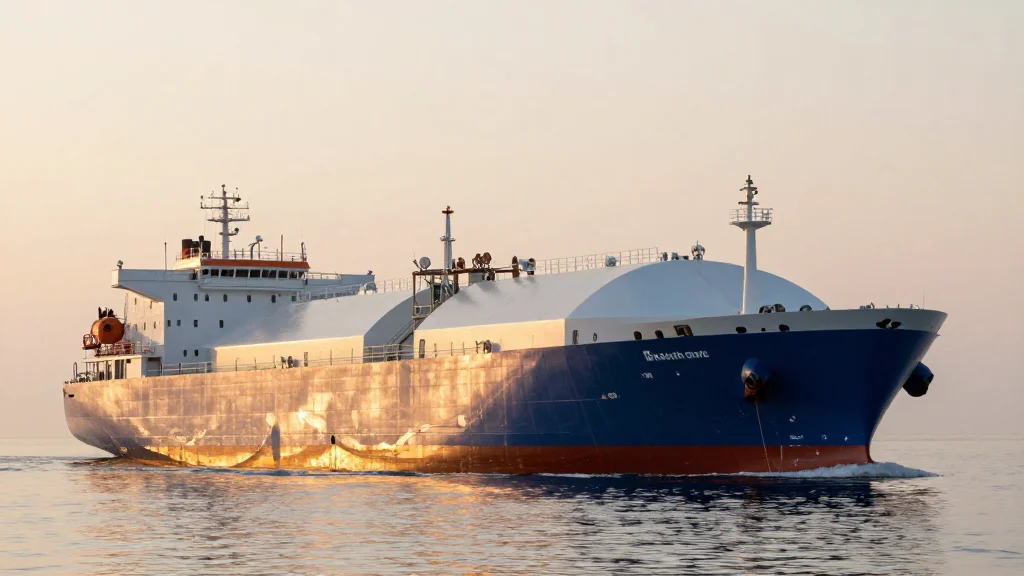
Russia is offering to sell US-sanctioned LNG to South Asian buyers at a *40% discount* 🇷🇺🚢 Moscow is seeking to leverage the global natural gas crunch to lure energy-hungry countries like Bangladesh and India https://t.co/SsirotyuhI
Stephen Stapczynski

France is moving to tighten its grip on illicit tanker activity with plans to double penalties for vessels operating without proper flags or refusing to comply with authorities, in a clear escalation of efforts to curb Russia-linked shadow fleet operations. Under a draft update to the country’s military planning law, shipowners, operators and other responsible …
Splash 247
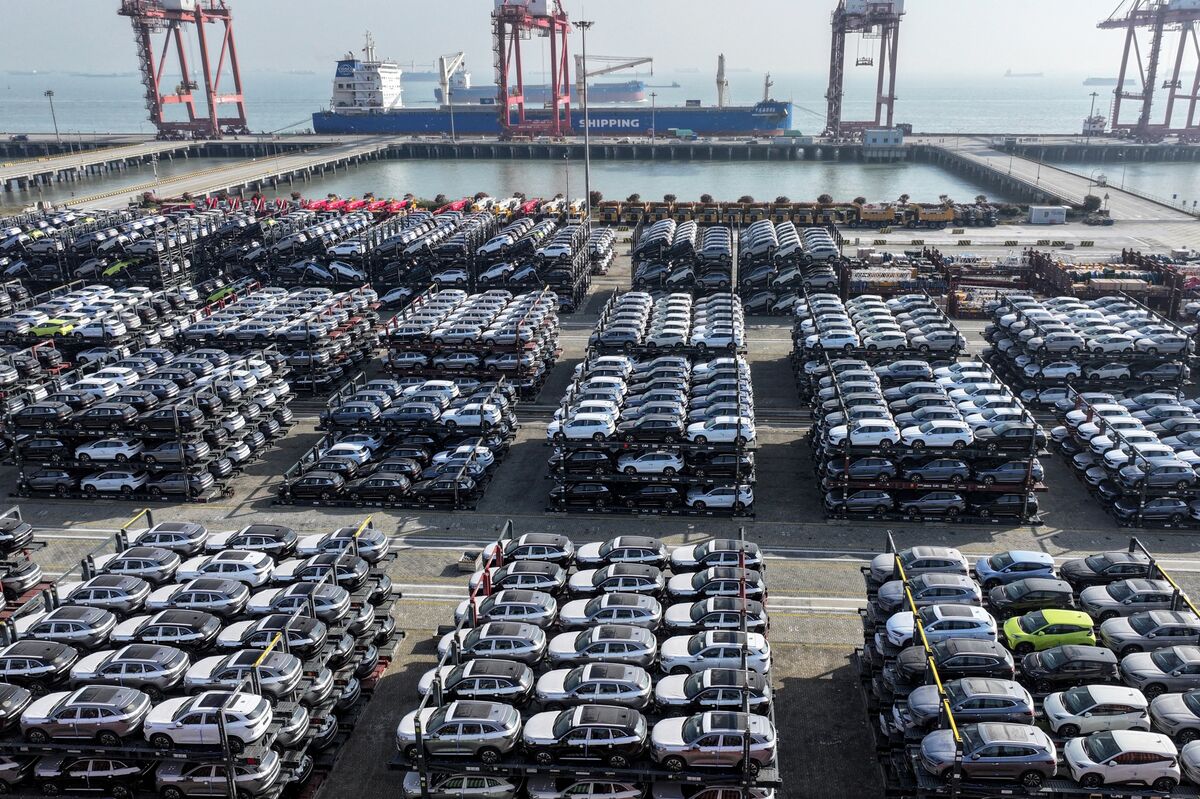
China’s exports of electric vehicles and hybrids more than doubled in March to a record as the global energy shock stemming from the Iran war renewed interest in EVs.
Bloomberg – Technology (sitewide)
Rate cuts by year-end Fed: 7 bps (98% probability of no change at the next meeting) Rate hikes by year-end RBNZ: 74 bps (70% probability of no change at the next meeting) ECB: 59 bps (60% probability of no change at the next meeting) RBA: 50 bps (60% probability of rate hike at the next meeting) BoJ: 50 bps (51% probability of rate hike at the next meeting) BoE: 40 bps (78% probability of no change at the next meeting) BoC: 35 bps (93% probability of no change at the next meeting) SNB: 21 bps (83% probability of no change at the next meeting) (You can find last week's market pricing here) We can see we got a dovish repricing across the board as inflation worries eased on expectations that the end of the war would bring energy prices back down. The only central bank where rate hike expectations actually increased was the RBNZ. That's because the RBNZ released its monetary policy decision the same day Trump announced the ceasefire. The central bank clearly shifted to a hawkish stance as they added a new paragraph in the statement saying that “decisive and timely increases in the OCR would be required” if core inflation, wage growth and inflation expectations do not remain contained. Moreover, Governor Breman acknowledged that the committee discussed raising the OCR already at this week's meeting although that didn't find a strong consensus. She has also added that the neutral rate sits around 3.00% which is 75 bps above the current 2.25% rate, so that's why traders increased the expected tightening to 75 bps by year-end. It goes without saying that everything hinges on US-Iran negotiations now. Iran is shooting for the stars with its 10-point plan, so there's going to be some noise tomorrow and likely another round/s of negotiations in the next weeks. This article was written by Giuseppe Dellamotta at investinglive.com.
investingLive – Asia-Pacific News Wrap
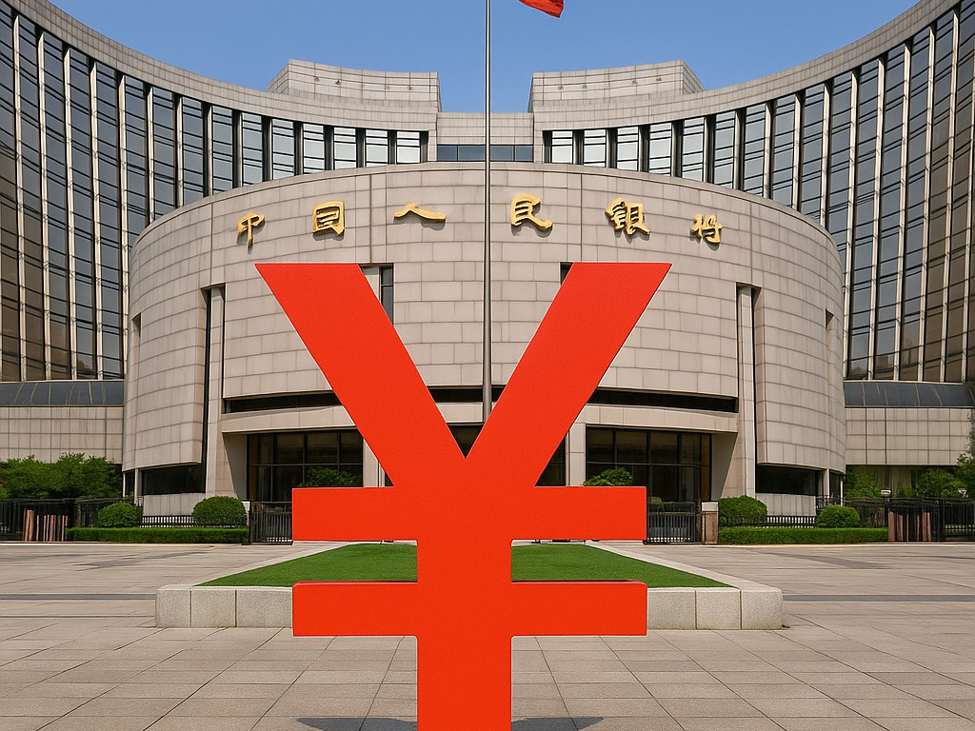
The PBOC allows the yuan to fluctuate within a +/- 2% range, around this reference rate. Earlier: ING turns bullish on Chinese yuan, shifts USD/CNY forecast lower to 6.70–7.05 PBOC injects 500mn yuan via 7-day reverse repos in open market operates today. Unchanged rate of 1.4%. This article was written by Eamonn Sheridan at investinglive.com.
ForexLive


