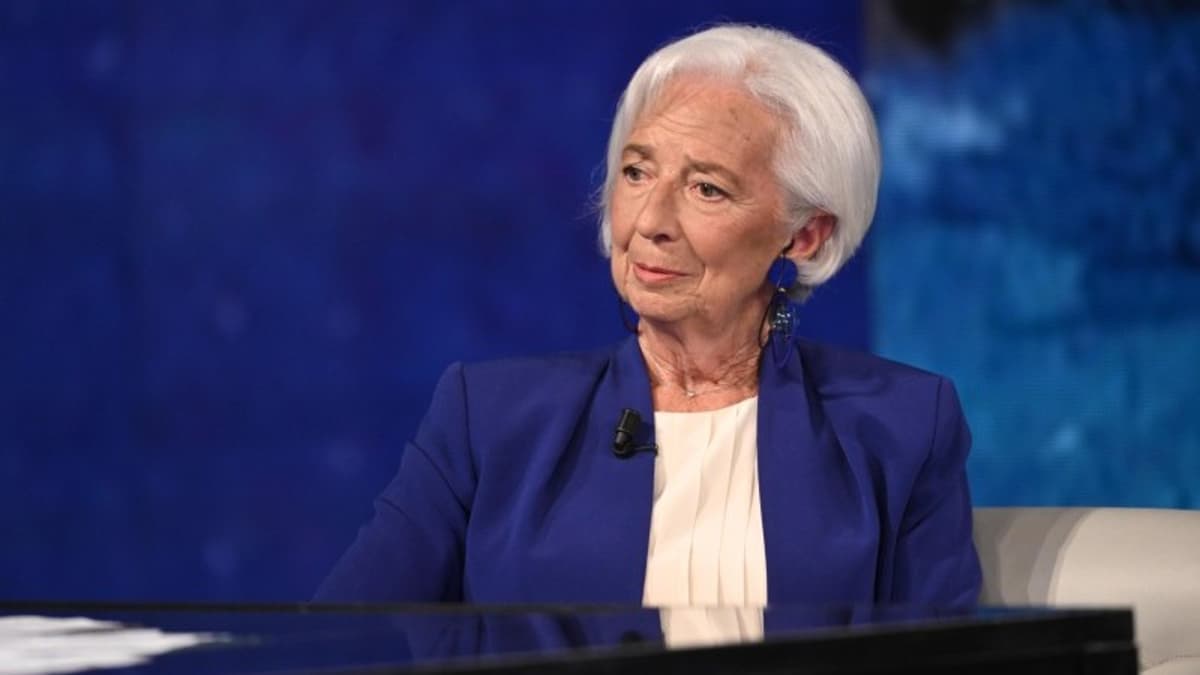
A Rate Hike and Then What? Our ECB Preview
Why It Matters
A rate increase raises borrowing costs across the euro area, influencing corporate financing, consumer credit, and sovereign bond yields, while the ECB’s cautious tone signals limited near‑term policy tightening.
Key Takeaways
- •ECB likely to raise deposit rate 25 bps to 2.25%.
- •Hike seen as insurance move, avoiding aggressive tightening.
- •Fiscal support stays limited; household savings lower than 2022.
- •ECB expected to give no forward guidance, adopt meeting‑by‑meeting tone.
- •Boris Vujčić joins Lagarde as new ECB vice‑president.
Pulse Analysis
The June 11 ECB decision arrives amid a modest but persistent inflationary drift in the eurozone. Energy price spill‑overs are nudging headline rates upward, yet core inflation remains below the peak seen in 2022. Unlike the 2022 shock, current fiscal stimulus is restrained and households have less savings to absorb higher costs, reducing the likelihood of a sharp price pass‑through. This backdrop supports a measured 25‑basis‑point hike, positioned as an insurance policy to keep inflation expectations anchored without choking growth.
Financial markets have already priced in a limited move, with euro‑area sovereign yields edging higher and the euro trading near recent lows. By allowing bond market dynamics to complement monetary tightening, the ECB avoids over‑reliance on policy rates to curb price pressures. The modest hike should calm risk‑averse investors while preserving liquidity, but the absence of forward guidance keeps the policy path uncertain, prompting traders to watch ECB communication for clues on future rate moves.
Looking ahead, the ECB is expected to adopt a "meeting‑by‑meeting" stance, signaling flexibility as data evolve. The presence of new vice‑president Boris Vujčić, a seasoned central‑banker with a PhD in economics, adds analytical depth to policy discussions, though his public role will likely remain low‑key. Stakeholders should monitor inflation forecasts, fiscal developments, and sentiment indicators for signs that the ECB may need to shift from an insurance hike to a more aggressive trajectory later in the year.
A rate hike and then what? Our ECB preview
Comments
Want to join the conversation?
Loading comments...