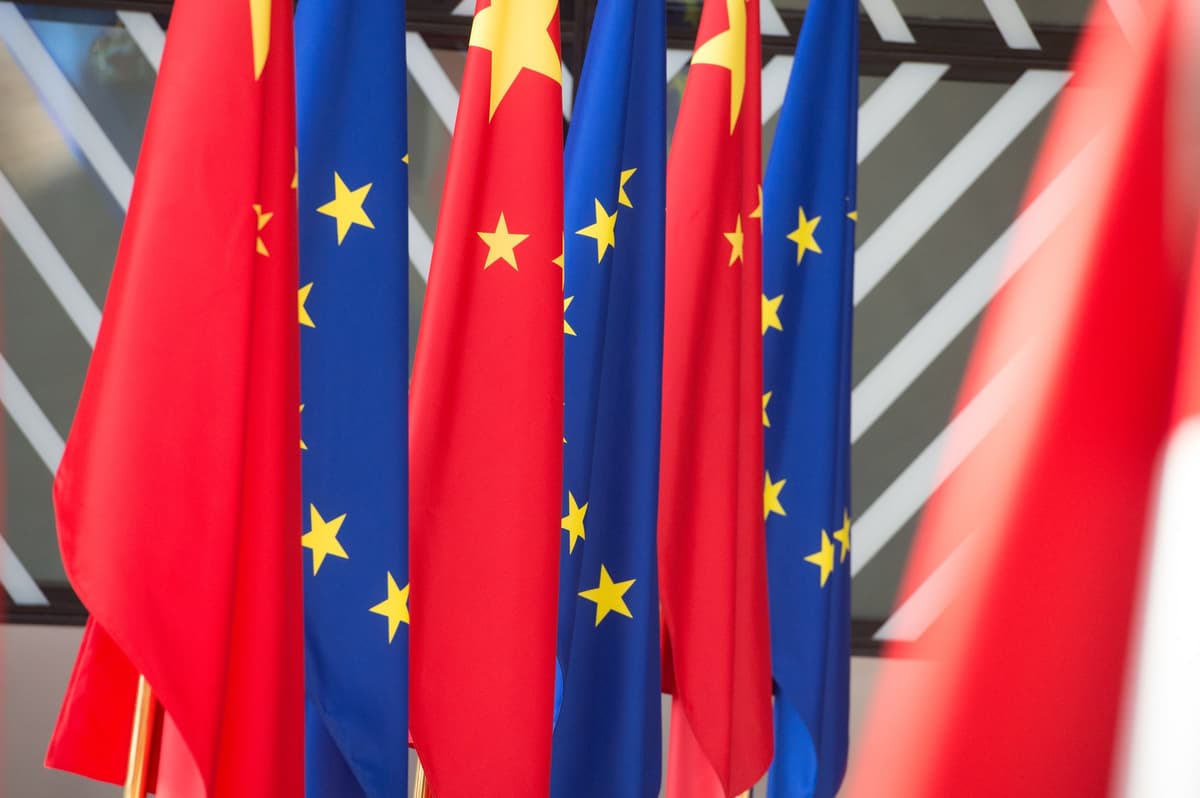
A Trade Row ‘Made in Europe’
Why It Matters
The clash could trigger retaliatory trade actions, disrupting supply chains in green tech and automotive sectors, and tests the resilience of EU‑China economic ties. It also signals a broader shift toward strategic protectionism among major powers.
Key Takeaways
- •EU's 'Made in Europe' rule ties public funds to EU parts
- •Targets Chinese EV battery and car makers for technology transfer
- •China threatens counter‑measures, calling the rule systemic discrimination
- •EU says rule complies with WTO MFN principle
- •China’s €360bn (~$390bn) EU trade surplus intensifies dispute
Pulse Analysis
The European Commission’s Industrial Accelerator Act reflects a strategic pivot toward self‑sufficiency in high‑tech industries. By mandating that firms receiving public money source a defined share of components from within the bloc, the “Made in Europe” rule seeks to shore up domestic value chains in automotive, green technology, and steel. Proponents argue the policy curbs dependence on external subsidies and aligns with the EU’s broader goal of fostering resilient, innovation‑driven growth, especially as geopolitical tensions reshape global supply networks.
China’s response underscores the deepening friction over technology transfer and market access. Beijing characterises the EU measure as discriminatory, warning of “counter‑measures” to protect its enterprises. The threat comes against a backdrop of a €360 billion (about $390 billion) Chinese trade surplus with the EU, which fuels concerns in Brussels about an uneven playing field. While the EU insists the rule complies with World Trade Organization Most‑Favoured‑Nation obligations, critics note that similar technology‑transfer demands have long been a hallmark of Chinese market entry policies, raising questions about reciprocal fairness.
The dispute carries significant implications for multinational corporations and investors. If China follows through with retaliatory actions—such as restricting rare‑earth exports or limiting access to its market—companies could face higher costs and supply‑chain disruptions, particularly in electric‑vehicle batteries and renewable‑energy equipment. Moreover, the standoff may accelerate a broader trend of strategic protectionism, prompting other economies to adopt similar localisation requirements. Stakeholders will be watching upcoming WTO deliberations and bilateral negotiations closely, as the outcome will shape the future of EU‑China trade relations and set precedents for how major economies balance openness with strategic autonomy.
A trade row ‘Made in Europe’
Comments
Want to join the conversation?
Loading comments...