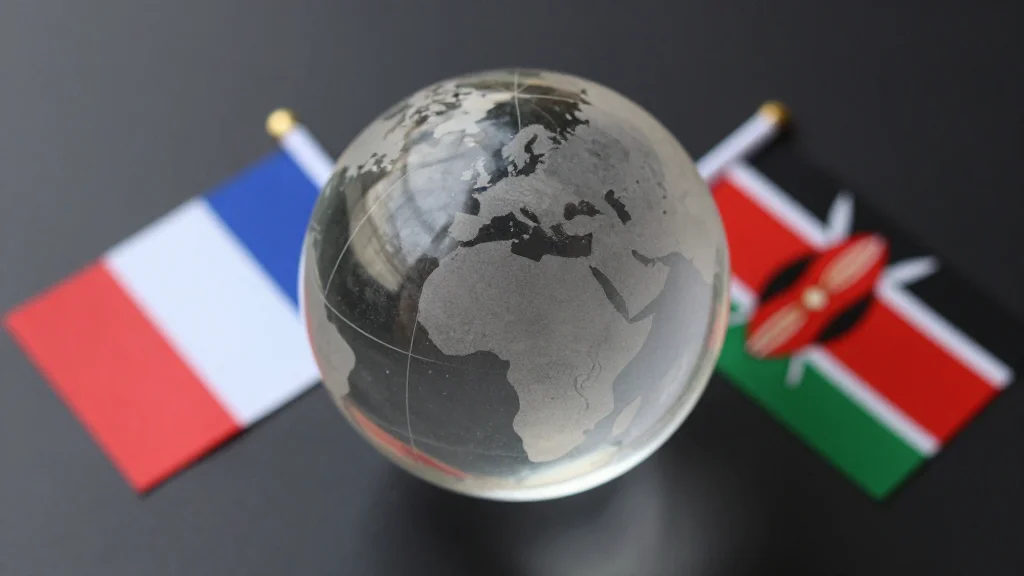
Africa Confronts G7 Double Standards as Ruto Is Invited, Ramaphosa Shut Out
Why It Matters
Excluding South Africa undermines Africa’s collective influence in shaping global policy and reveals inconsistencies in the G7’s moral authority, potentially reshaping diplomatic alignments.
Key Takeaways
- •Kenya invited, South Africa excluded from 2026 G7 summit.
- •G7 guest list framed as “democracies, market economies.”
- •US, EU criticized for double standards on migration, human rights.
- •South Africa’s ICJ Gaza case fuels Western hostility.
- •Africa urged to assert independent voice amid Western hypocrisy.
Pulse Analysis
The upcoming G7 summit in Évian‑les‑Bains, scheduled for June 15‑17, 2026, will feature Kenya’s President William Ruto but will not include South Africa’s Cyril Ramaphosa, ending a decade‑long tradition of Pretoria representing the continent. French officials framed the guest list as a gathering of “democracies and market economies,” a narrative that masks the geopolitical calculus behind the invitation. Kenya’s growing economic ties with the West and its relatively low‑profile foreign‑policy stance made it a safe addition, while South Africa’s outspoken positions on the Gaza conflict and the International Court of Justice have strained relations with key G7 members.
Critics argue the G7’s selection exposes a widening credibility gap. The United States, once a vocal champion of human rights, continues to enforce immigration policies that separate families and target migrants of colour, while European partners such as France, Italy, Germany and the United Kingdom face legal challenges over detention centers and deportations. These contradictions erode the moral high ground the G7 claims to occupy and provide African governments with ammunition to question the consistency of Western democratic standards.
For African states, the snub reinforces the urgency of a coordinated diplomatic strategy. By consolidating positions on trade, climate, and security, the continent can negotiate from a position of collective strength rather than reacting to individual invitations. Moreover, addressing internal governance challenges—corruption, electoral integrity, and civil‑society space—will bolster Africa’s credibility when it calls out double standards. In a world where global rules are increasingly contested, a unified African voice could reshape the G7’s agenda and ensure that moral authority is matched by consistent practice.
Africa confronts G7 double standards as Ruto is invited, Ramaphosa shut out
Comments
Want to join the conversation?
Loading comments...