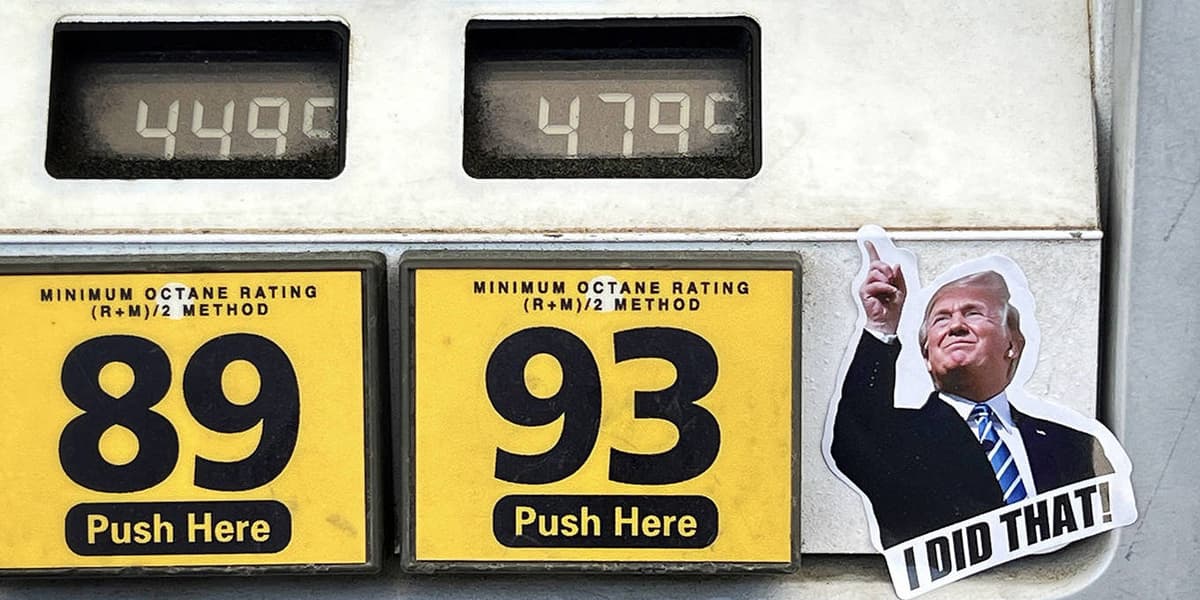
Americans Can’t Afford Trump’s Economy
Why It Matters
Escalating inflation erodes household budgets and could reshape voter sentiment ahead of the 2026 midterms, making affordability a decisive political issue. A credible Democratic response could shift the economic narrative and influence market confidence.
Key Takeaways
- •Inflation outpaces wage growth for first time since 2008
- •Trump’s tariffs and energy policies lifted consumer prices
- •Mass deportations reduced labor supply, pushing wages higher
- •Democrats lack a unified affordability agenda
- •Rising costs threaten consumer spending and election prospects
Pulse Analysis
The United States is experiencing a rare divergence between price growth and wage gains, a gap not seen since the post‑recession years of 2008‑2009. Recent data show consumer price indexes climbing at an annualized 5.2 percent, while real hourly earnings have risen only 1.8 percent. Economists point to a confluence of Trump‑era policies—particularly aggressive tariffs on steel, aluminum, and emerging technology components—that have raised import costs across the supply chain. Simultaneously, regulatory shifts in the energy sector have lifted gasoline and electricity rates, further squeezing disposable income.
Politically, the affordability squeeze is becoming a litmus test for the 2026 midterm elections. Voters in swing states are feeling the pinch at the grocery store and gas pump, translating economic anxiety into electoral volatility. The Democratic Party, traditionally seen as the champion of working‑class concerns, has yet to present a cohesive strategy that directly tackles the three pillars identified by critics: tariff reform, energy price stabilization, and a calibrated immigration policy that balances labor market needs with fiscal pressures. Without a clear platform, Democrats risk ceding the narrative to Republicans who can claim credit for any future price moderation.
Looking ahead, policymakers face a narrow window to reverse the affordability trend. Reversing or renegotiating key tariffs could lower input costs for manufacturers, while incentivizing renewable energy investments may curb long‑term energy price volatility. Moreover, a pragmatic immigration framework that restores a steady flow of labor could ease wage pressures without inflating wages excessively. If enacted, these measures could restore consumer confidence, boost spending, and ultimately stabilize the political landscape as the nation heads toward the next election cycle.
Americans Can’t Afford Trump’s Economy
Comments
Want to join the conversation?
Loading comments...