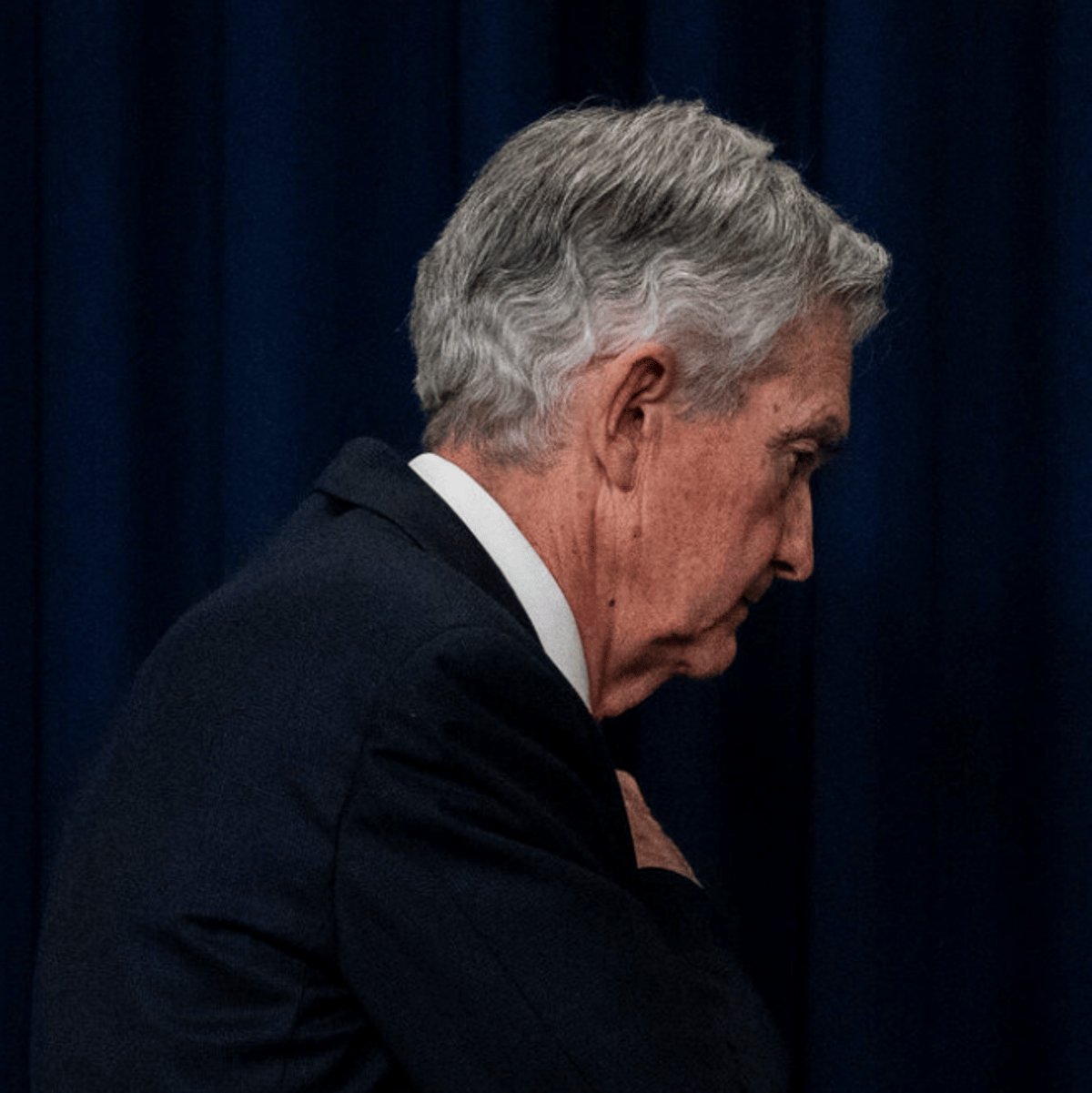
As Powell Steps Down, the Fed Confronts ‘Regime Change’
Why It Matters
The leadership shift could reshape monetary policy, signaling a move away from aggressive market interventions and testing the Fed’s autonomy amid heightened political scrutiny.
Key Takeaways
- •Kevin Warsh confirmed as Fed chair, pledges “regime change.”
- •Powell remains board member to protect Fed independence.
- •Warsh criticizes pandemic‑era policy as inflation catalyst.
- •Potential shift toward less market intervention under new leadership.
- •Senate Republicans backed Warsh, reflecting political pressure on the Fed.
Pulse Analysis
The Federal Reserve’s leadership change arrives at a politically charged moment. Jerome Powell, who steered the central bank through pandemic shocks, the Ukraine war, and a rapid rate‑hiking cycle, will relinquish the chairmanship but stay on the Board of Governors. His decision aims to buffer the institution from further political encroachment. Kevin Warsh, a former Fed governor and Trump‑favored nominee, secured Senate Republican support by framing the Fed’s recent actions as a "regime failure" that fueled a four‑decade‑high inflation spike. His campaign promises to overhaul policy tools, reduce balance‑sheet interventions, and reassert a more rules‑based approach.
Warsh’s critique centers on the Fed’s post‑COVID quantitative easing and aggressive rate cuts, which he says distorted asset prices and eroded credibility. If his reform agenda gains traction, markets could see a slower pace of balance‑sheet normalization and a tighter focus on price stability over employment targets. Investors may adjust expectations for future rate moves, anticipating a more cautious stance that could temper the recent volatility in Treasury yields and equity valuations. Moreover, a shift toward less discretionary intervention could revive debates about the central bank’s role in managing financial stability versus pure monetary policy.
The transition also raises questions about the Fed’s independence. Powell’s continued presence on the board is a strategic hedge against politicization, yet Warsh’s close alignment with former President Trump suggests a potential re‑orientation toward policy decisions that resonate with a more hawkish, politically driven narrative. Market participants will watch for early signals—such as changes in FOMC language or the pace of asset‑purchase unwind—to gauge the depth of the promised "regime change." The coming months will test whether the Fed can balance political pressures with its mandate to maintain price stability and full employment, shaping the trajectory of the U.S. economy for years to come.
As Powell Steps Down, the Fed Confronts ‘Regime Change’
Comments
Want to join the conversation?
Loading comments...