As the Hormuz Crisis Exposes ‘Fragile’ Global Supply Chains, How Will China Respond?
Why It Matters
The plan signals China’s shift toward greater energy self‑sufficiency and supply‑chain resilience, reshaping global commodity flows and geopolitical risk calculations.
Key Takeaways
- •China increased strategic oil reserves before Iran conflict
- •NDRC plans larger energy and mineral stockpiles
- •Beijing seeks deeper oil and gas cooperation with Russia
- •Emphasis on early‑warning systems and export‑control upgrades
- •Domestic policies aim to boost consumption and curb property risks
Pulse Analysis
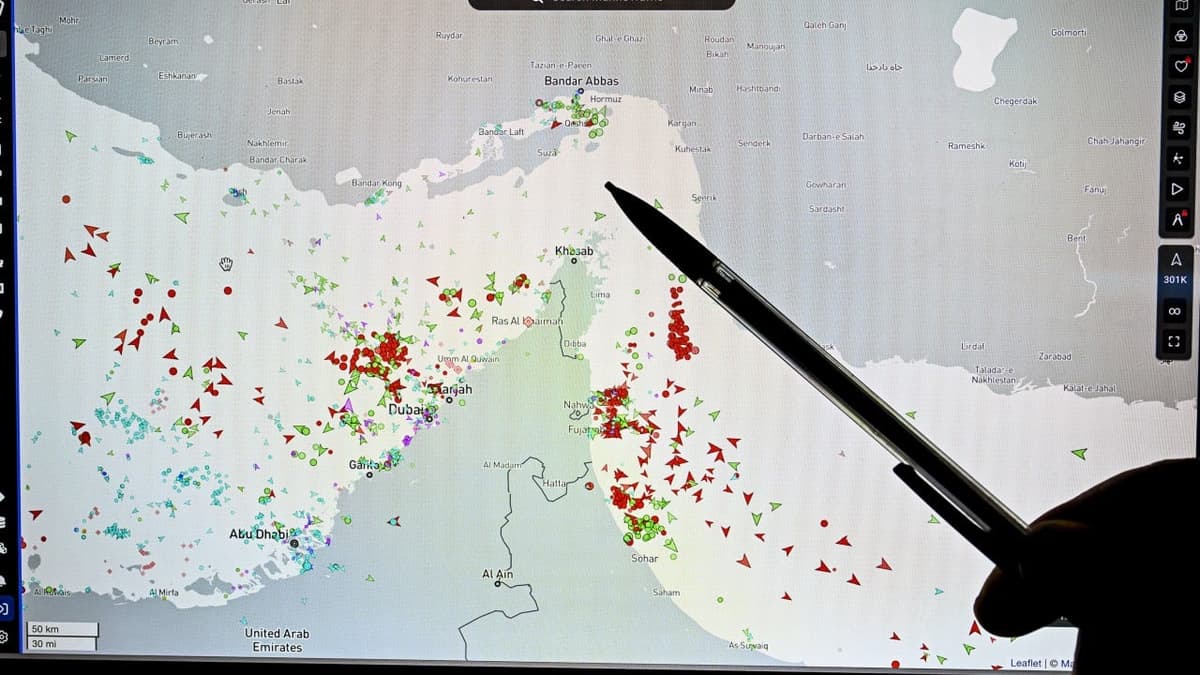
The recent flare‑up between the United States, Israel and Iran has sent ripples through world oil markets, underscoring the strategic importance of the Strait of Hormuz, which carries a sizable share of China’s crude imports. While many economies scrambled for emergency measures, Beijing entered the crisis with a sizable strategic petroleum reserve already in place, cushioning the domestic impact and allowing the country to post a 5% year‑on‑year GDP growth in the first quarter. This pre‑emptive stockpiling reflects a broader shift toward inventory‑driven risk management in a world where geopolitical flashpoints can quickly choke vital trade routes.
In response, Zheng Shanjie, head of the National Development and Reform Commission, outlined a multi‑pronged strategy aimed at hardening China’s energy and mineral security. The plan calls for expanding oil and gas reserves, accelerating mineral exploration, and positioning coal as a final‑backstop to ensure uninterrupted power supply. Beijing also intends to deepen energy cooperation with Russia, leveraging its vast hydrocarbon resources to offset potential Middle‑East disruptions. Parallel to these supply‑side moves, the NDRC will upgrade early‑warning mechanisms, tighten export‑control reviews, and push for self‑reliance in critical technologies such as advanced chips, thereby reducing exposure to external sanctions.
The implications extend beyond China’s borders. A more insulated Chinese economy could dampen the volatility of global oil prices, while increased Sino‑Russian energy ties may reshape geopolitical alignments in Eurasia. Investors and multinational firms will need to monitor China’s evolving procurement policies, as tighter export controls and a focus on domestic consumption could affect demand for foreign commodities and technology. Ultimately, Beijing’s proactive stance signals a new era of strategic reserve‑building and supply‑chain diversification that may prompt other nations to reassess their own resilience frameworks.
As the Hormuz crisis exposes ‘fragile’ global supply chains, how will China respond?
Comments
Want to join the conversation?
Loading comments...