Asean to Step up Push for South China Sea Code, Energy Security
Why It Matters
A binding code would reduce naval tensions and protect vital shipping lanes, while energy initiatives strengthen regional resilience against global supply disruptions.
Key Takeaways
- •ASEAN aims to finalize South China Sea code by year‑end
- •Philippines proposes regional fuel reserve to cushion Middle East supply shocks
- •Leaders push to accelerate ASEAN power grid for cross‑border electricity trading
- •ASEAN Maritime Centre in Manila will coordinate navigation safety and crisis response
- •Myanmar’s political shift may reopen ASEAN dialogue after years of isolation
Pulse Analysis
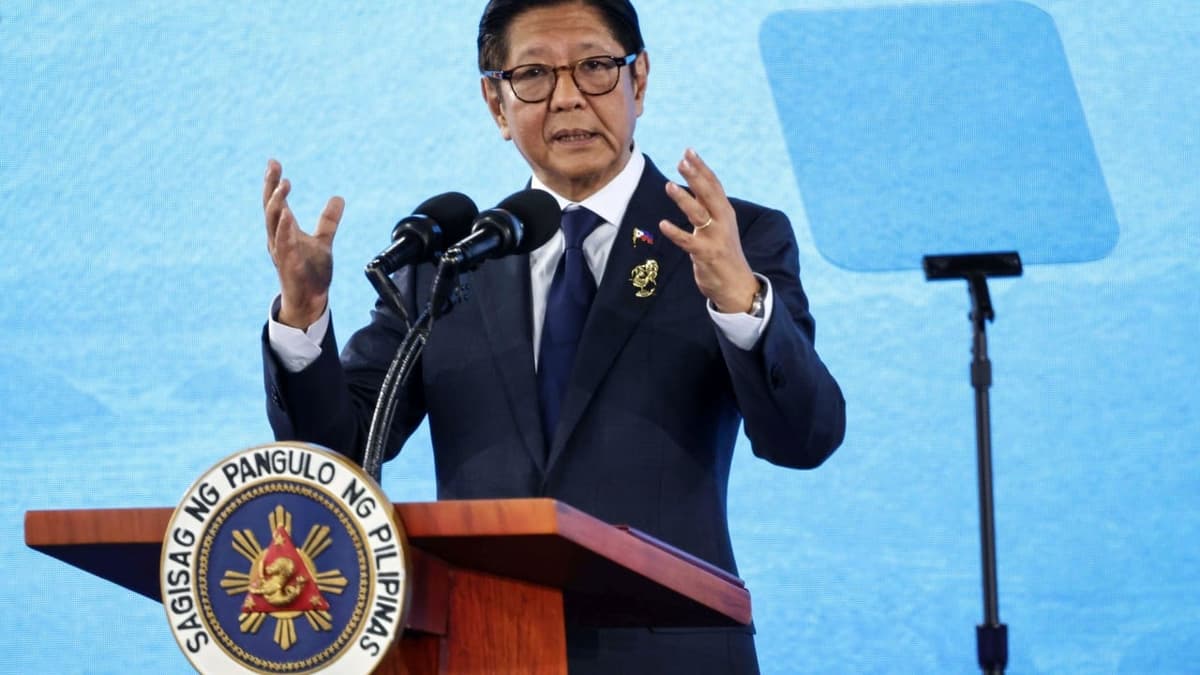
The South China Sea has been a flashpoint for more than two decades, with overlapping claims that have hampered trade routes and investment flows. ASEAN and China have been negotiating a binding code of conduct since 2002, but progress has stalled whenever disputes flare. At the 48th ASEAN summit in Cebu, Philippine President Ferdinand Marcos Jr. pledged to push the draft to completion before the Philippines hands over the chair to Singapore. A finalized code would institutionalize crisis‑management protocols, reduce the risk of naval confrontations, and provide a predictable legal framework for commercial shipping.
Energy resilience emerged as a parallel priority, with leaders eyeing a regional strategic petroleum reserve to buffer volatile global oil markets after the Middle East conflict disrupted the Strait of Hormuz. Malaysia’s prime minister floated a standby arrangement for rapid crisis response, while the Philippines advocated a shared fuel reservoir that could be tapped by any member facing shortages. Accelerating the ASEAN power grid, which would link national electricity networks, is seen as a way to diversify supply, lower costs, and enable cross‑border trading of renewable energy, bolstering the bloc’s overall energy security.
The push for a code and energy initiatives tests ASEAN’s consensus‑driven model, especially as member states grapple with divergent strategies toward Beijing. Manila’s announcement of an ASEAN Maritime Centre underscores a desire for coordinated navigation safety without antagonising any single power. Meanwhile, Myanmar’s tentative political opening could revive the bloc’s engagement with the junta, but lingering doubts about human‑rights compliance remain. If the code is ratified and the energy projects gain momentum, Southeast Asia could present a more stable, integrated market that attracts foreign investment and mitigates external shocks.
Asean to step up push for South China Sea code, energy security
Comments
Want to join the conversation?
Loading comments...