Asian Development Bank Giving Central Asia Lots of Attention
•March 6, 2026
0
Why It Matters
The funding accelerates Central Asian connectivity, boosting trade, investment, and geopolitical influence for Western stakeholders. It positions the Middle Corridor as a viable alternative to traditional routes, reshaping regional economic dynamics.
Key Takeaways
- •ADB pledges $5.4B to Kazakhstan for digitalization.
- •$1.1B allocated to Tajikistan to grow private sector.
- •$2.5B earmarked for Azerbaijan as EU gateway.
- •Technical assistance streamlines Middle Corridor customs procedures.
- •Kazakhstan's total ADB aid now $7.7B since 1994.
Pulse Analysis
The Middle Corridor—linking China’s Belt and Road to European markets via Central Asia—has become a focal point for infrastructure investment and geopolitical competition. The Asian Development Bank, backed by the United States and Japan, is leveraging its multilateral financing capacity to accelerate the corridor’s development. By targeting digital upgrades, customs reform, and cross‑border logistics, the ADB aims to transform a historically fragmented trade route into a reliable alternative to the Russian‑dominated northern path. This strategic shift aligns with Washington’s broader effort to diversify supply chains and tap Central Asia’s critical mineral reserves.
In March, the ADB announced a $5.4 billion four‑year package for Kazakhstan, earmarked for digitalizing the economy and modernizing public institutions. A parallel $1.1 billion commitment to Tajikistan will fund private‑sector growth and job creation, while a $2.5 billion pledge to Azerbaijan is designed to position the country as the western gateway to the EU. Together with a technical assistance program to harmonize border‑crossing procedures, these investments address bottlenecks that have long slowed cargo transit, promising faster, more predictable trade flows across the region.
The infusion of ADB capital signals a deeper alignment of Central Asian development with Western economic interests. With the United States and Japan each holding roughly 15 percent of ADB shares, the bank’s focus on the Middle Corridor reinforces their strategic foothold against competing Chinese and Russian influence. The upcoming ADB annual meeting in Samarkand offers a platform for additional announcements, potentially expanding the financing envelope. For investors and policymakers, the heightened activity suggests a near‑term acceleration of infrastructure projects, greater private‑investment opportunities, and a more integrated Central Asian market.
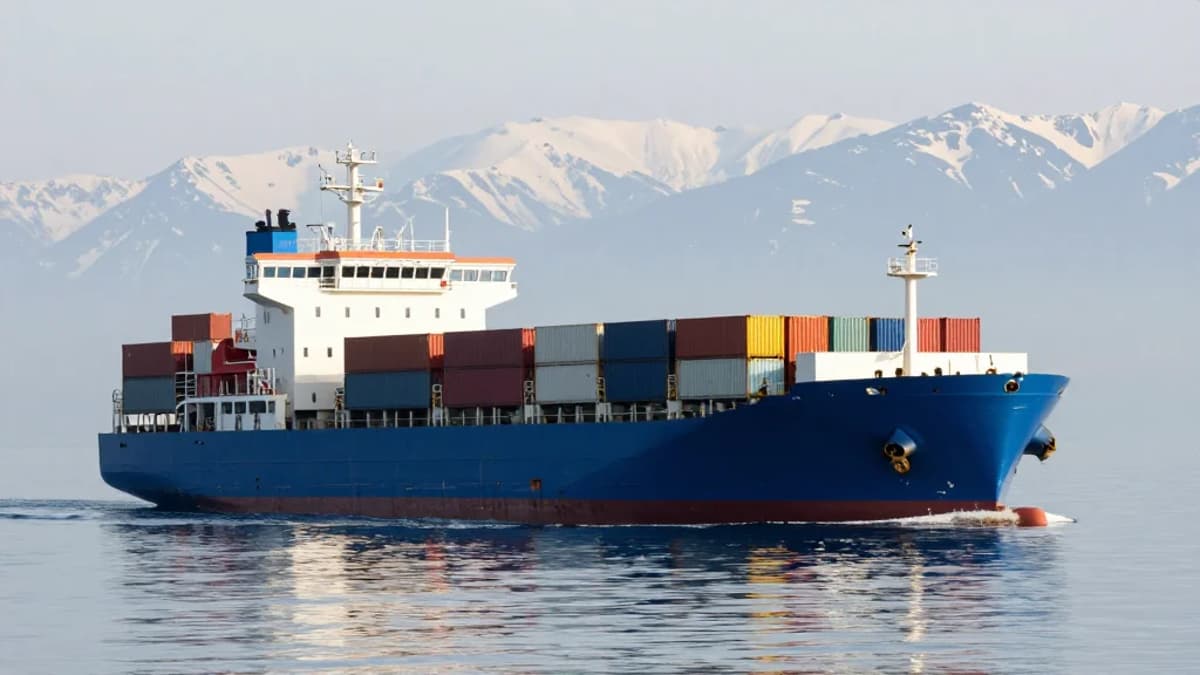
Asian Development Bank giving Central Asia lots of attention
0
Comments
Want to join the conversation?
Loading comments...