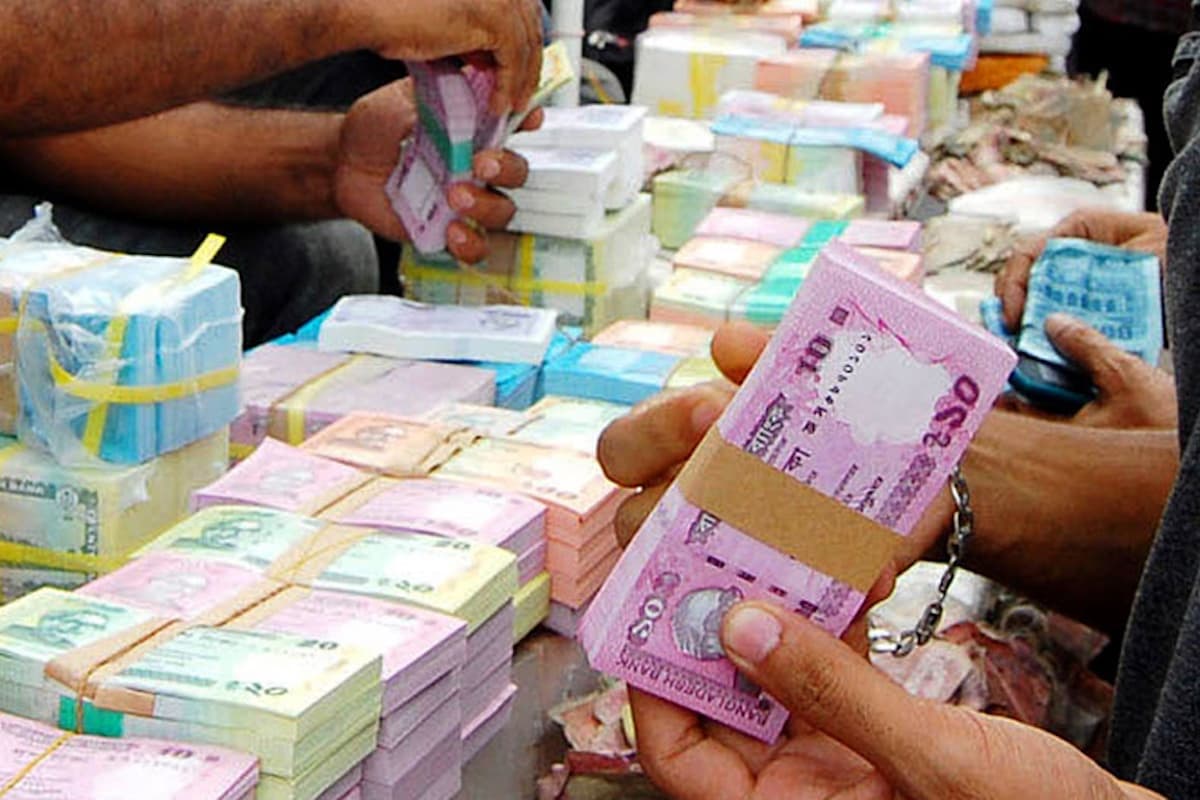
Bangladesh Risks New Inflation Surge by Printing Money
Why It Matters
The financing choice trades immediate social support for longer‑term inflation risk, threatening household purchasing power and the central bank’s ability to anchor price stability in a fast‑growing emerging market.
Key Takeaways
- •Bangladesh Bank injected ~US$1.65 bn of high‑powered money in Feb 2026.
- •Reserve money growth hit 13.35% YoY, double the previous year.
- •Inflation stays sticky, especially food prices hurting low‑income households.
- •Fiscal strain pushes government to fund welfare through monetary expansion.
- •Continued liquidity could damage central bank credibility and raise expectations.
Pulse Analysis
Bangladesh’s recent surge in high‑powered money reflects a classic dilemma for emerging economies: balancing political imperatives with macro‑economic stability. After two years of battling double‑digit inflation, the country’s inflation rate has only modestly receded, with food prices remaining a volatile component. The February injection of about US$1.65 billion—driven by a low tax base, expanding social transfers, and pressure to deliver quick relief—has accelerated reserve‑money growth to over 13% YoY. This liquidity boost, while easing immediate fiscal constraints, feeds directly into the banking system’s credit multiplier, raising the likelihood of renewed price pressures.
The policy choice also has credibility implications for Bangladesh Bank, which has spent months signaling a tighter stance. If markets perceive that fiscal needs routinely override monetary discipline, inflation expectations can become entrenched, prompting businesses to pre‑emptively raise prices and workers to demand higher wages. Such a shift would make future disinflation more costly and could trigger capital outflows as savers seek safer stores of value abroad, further pressuring the taka.
For investors and policymakers, the episode underscores the importance of structural reforms over short‑term financing tricks. Expanding the tax base, improving subsidy targeting, and securing concessional external financing would provide a more sustainable fiscal footing. In the meantime, any additional liquidity should be transparent, limited, and offset by sterilisation measures to preserve the central bank’s credibility and keep inflation from becoming a regressive tax on Bangladesh’s most vulnerable citizens.
Bangladesh risks new inflation surge by printing money
Comments
Want to join the conversation?
Loading comments...