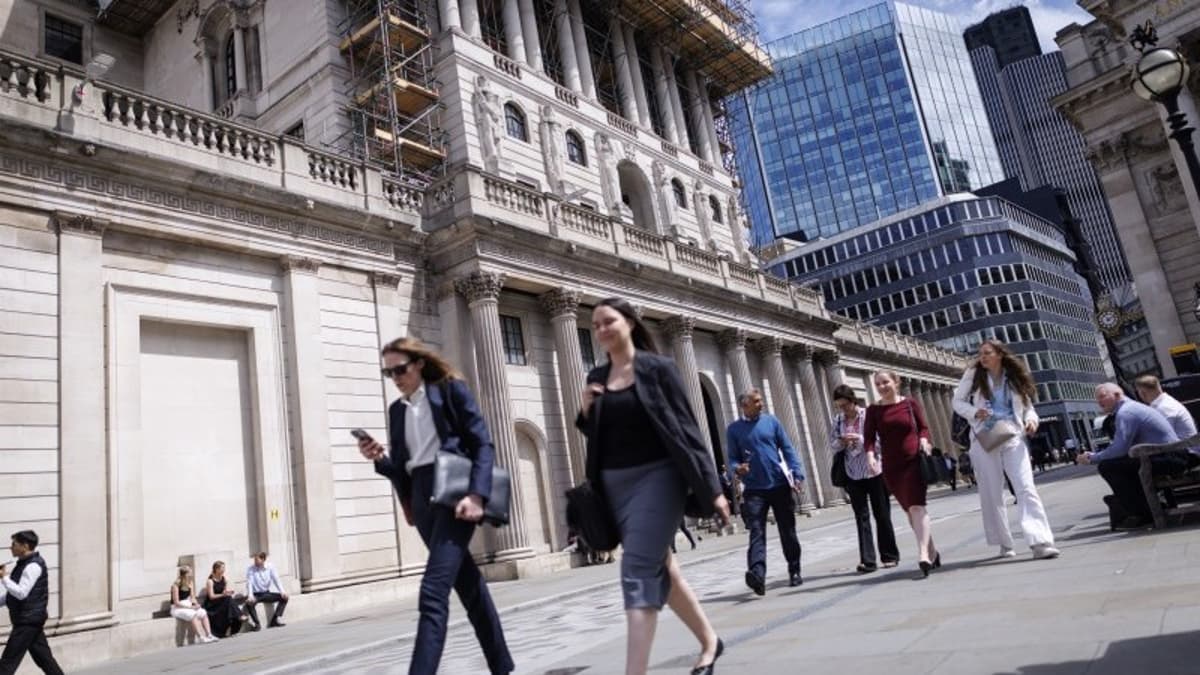
Bank of England Decision Points to Prolonged Pause
Why It Matters
The decision signals a shift toward a more dovish stance, easing borrowing costs and shaping UK growth prospects. Market participants will price in delayed cuts, affecting bonds, equities, and the pound.
Key Takeaways
- •BoE kept Bank Rate at 3.75% unchanged
- •Committee vote 7‑2 for hold, hawks urged hikes
- •Inflation expected to peak near 3.5% later this year
- •Private‑sector wage growth slowing, consumer‑sector employment falling
- •Analysts project cuts resuming around 2027 if energy stable
Pulse Analysis
The Bank of England’s latest meeting reinforced the market’s expectation of a policy pause, with the 3.75% Bank Rate held steady after a series of aggressive hikes since 2022. The 7‑2 vote reflected a clear split between hawkish members, such as Catherine Mann, who advocated an activist increase, and a growing bloc of dovish policymakers who see inflationary momentum fading. By keeping the rate unchanged, the BoE signaled that it is not in a rush to tighten further, allowing markets to adjust without the shock of an unexpected hike.
Underlying the decision is a nuanced view of inflation dynamics. Recent consumer price index figures show headline inflation edging toward a 3.5% peak, comfortably below the 4% threshold historically linked to entrenched price pressures. Moreover, the data reveal limited pricing power and a slowdown in private‑sector wage growth, especially in consumer‑facing sectors where employment is contracting. These trends diminish the risk of second‑round inflation that plagued the UK last year when food prices and tax changes amplified cost pressures. Energy prices remain a wildcard, but with the Iran nuclear deal holding, the BoE judges the risk of a sudden spike as low.
Looking ahead, analysts anticipate the first rate cuts to materialize around 2027, assuming energy markets stay stable and wage growth continues to decelerate. This extended pause will likely support credit markets and reduce financing costs for businesses, but it also places pressure on the pound as investors seek higher yields elsewhere. Investors should monitor upcoming BoE forecasts in July and any geopolitical developments that could reignite inflationary pressures, as these will dictate the timing and magnitude of future policy adjustments.
Bank of England decision points to prolonged pause
Comments
Want to join the conversation?
Loading comments...