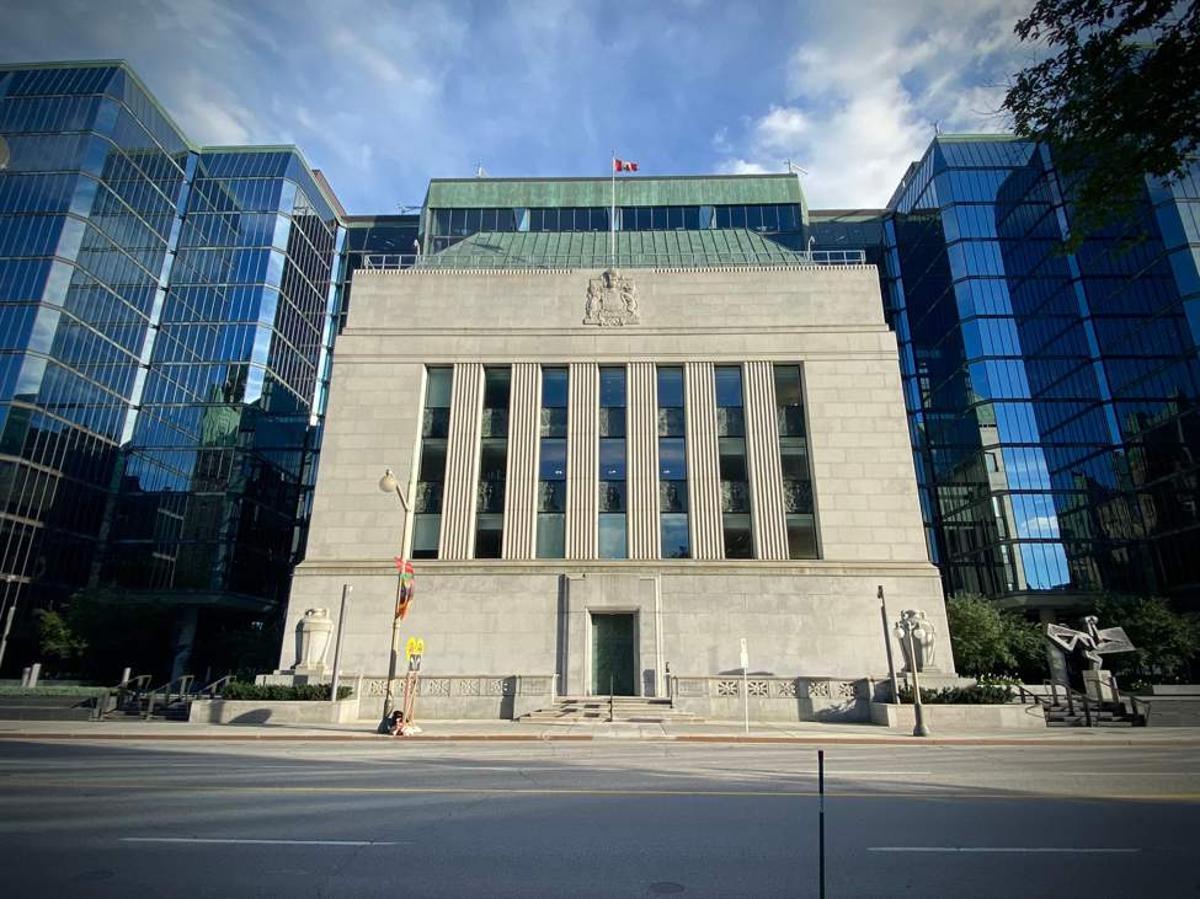
BoC Preview: Rates to Remain Unchanged Amid US-Iran Uncertainty and Soft Data
Companies Mentioned
Why It Matters
Holding rates steady signals the BoC’s priority on containing inflation despite a fragile labour market, shaping borrowing costs and investor expectations in Canada’s economy. The decision also frames the timeline for future policy moves amid geopolitical and trade uncertainties.
Key Takeaways
- •BoC likely holds policy rate at 2.25% amid geopolitical tension
- •March CPI rose to 2.4% driven by energy price spikes
- •Trimmed-Mean CPI fell to 2.2%, near the 2% target
- •Weak job growth suggests cuts, but inflation risks keep policy steady
- •Market expects first hike only in Q4 2026, signaling low near‑term pressure
Pulse Analysis
The Bank of Canada’s upcoming policy meeting arrives at a crossroads of global volatility and domestic data softness. While the central bank’s 2.25% policy rate has been steady since July, the escalation of hostilities between the United States and Iran has injected fresh uncertainty into commodity markets, especially oil. Canada’s March consumer‑price index climbed to 2.4% year‑over‑year, a rise largely attributed to higher energy costs after disruptions in the Strait of Hormuz. Yet the core trimmed‑mean CPI slipped to 2.2%, hovering close to the 2% midpoint of the BoC’s inflation target band.
Despite a tepid labour market—March added only 141,000 jobs against a 150,000 forecast—the BoC remains reluctant to pivot toward aggressive easing. The central bank’s mandate forces it to weigh the risk of a secondary inflation wave, where temporary energy shocks could become entrenched in wage‑price dynamics. Moreover, the pending renegotiation of the Canada‑U.S‑Mexico Agreement (CUSMA) adds a layer of trade‑policy uncertainty that could dampen growth prospects. Consequently, the BoC’s forward guidance is expected to stress data‑dependency rather than signal a clear rate‑cut trajectory.
Investors have already priced the first rate hike to occur in the fourth quarter of 2026, reflecting confidence that inflation will stay anchored and growth will remain modest. Any deviation in the BoC’s tone—such as hints of earlier tightening or a stronger commitment to inflation—could trigger short‑term market moves, especially in the Canadian dollar and bond yields. For businesses, the prevailing steady‑rate environment offers a predictable financing cost, but the lingering geopolitical and trade risks mean that contingency planning remains essential.
BoC preview: rates to remain unchanged amid US-Iran uncertainty and soft data
Comments
Want to join the conversation?
Loading comments...