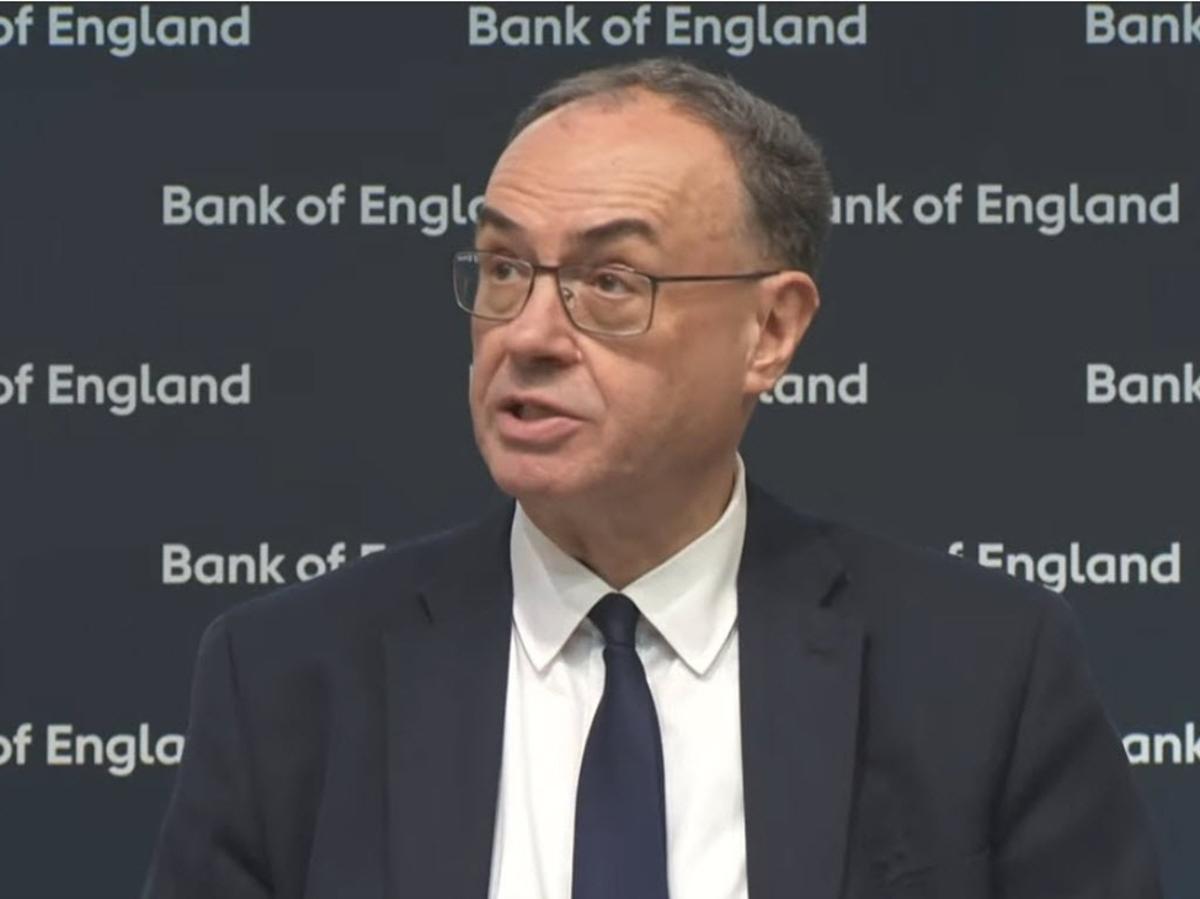
BOE Bailey: Markets Have Been Orderly but Stressed at Times.
Companies Mentioned
Why It Matters
Bailey's restrained stance keeps borrowing costs elevated, shaping UK growth, housing affordability and corporate financing. Market participants must recalibrate expectations for monetary policy and inflation dynamics.
Key Takeaways
- •UK 10‑yr yield peaked at 5.20%, now ~4.90%.
- •Bailey rejects raising inflation target to 3%, stays at 2%.
- •Base rate held at 3.75%; June 18 likely a hold.
- •Economists: 33 unchanged, 14 hikes, 15 cuts for 2026.
- •Energy‑driven inflation could trigger summer rate hike.
Pulse Analysis
The recent swing in sovereign yields underscores the fragility of global credit markets. The UK 10‑year Treasury rate surged from a February low of 4.23% to a May peak of 5.20% before retreating to roughly 4.90%, mirroring a 76‑basis‑point rise in the US benchmark. Such moves reflect heightened risk aversion and rising debt‑market leverage, prompting investors to demand higher compensation for holding longer‑dated government bonds. The volatility has also spilled over into equity valuations, where the FTSE remains near the midpoint of its trading range after a modest 4.3% gain this year.
Governor Bailey’s public remarks reveal a nuanced, cautiously dovish posture. He has firmly rejected any move to raise the inflation target from 2% to 3%, emphasizing the need for household confidence. At the same time, he acknowledges that the current inflation overshoot is largely driven by geopolitical shocks, notably the Middle East conflict, and that the Bank has already tightened policy by eliminating rate‑cut expectations. However, Bailey warns that persistent wage pressures—especially a widening gap between public and private‑sector pay—could reignite second‑round inflation, prompting a policy shift toward a more hawkish stance.
Market consensus now reflects this uncertainty. A Reuters poll shows a majority of economists expecting the Bank Rate to remain at 3.75% for the remainder of 2026, with only a modest minority forecasting a hike before year‑end. Goldman Sachs echoes the view, noting that a summer increase remains possible if energy prices stay elevated. The implication for businesses and consumers is clear: higher financing costs are likely to linger, dampening investment and housing demand, while any future easing is postponed to late 2026 at the earliest. Stakeholders should therefore plan for a prolonged period of tighter monetary conditions.
BOE Bailey: Markets have been orderly but stressed at times.
Comments
Want to join the conversation?
Loading comments...