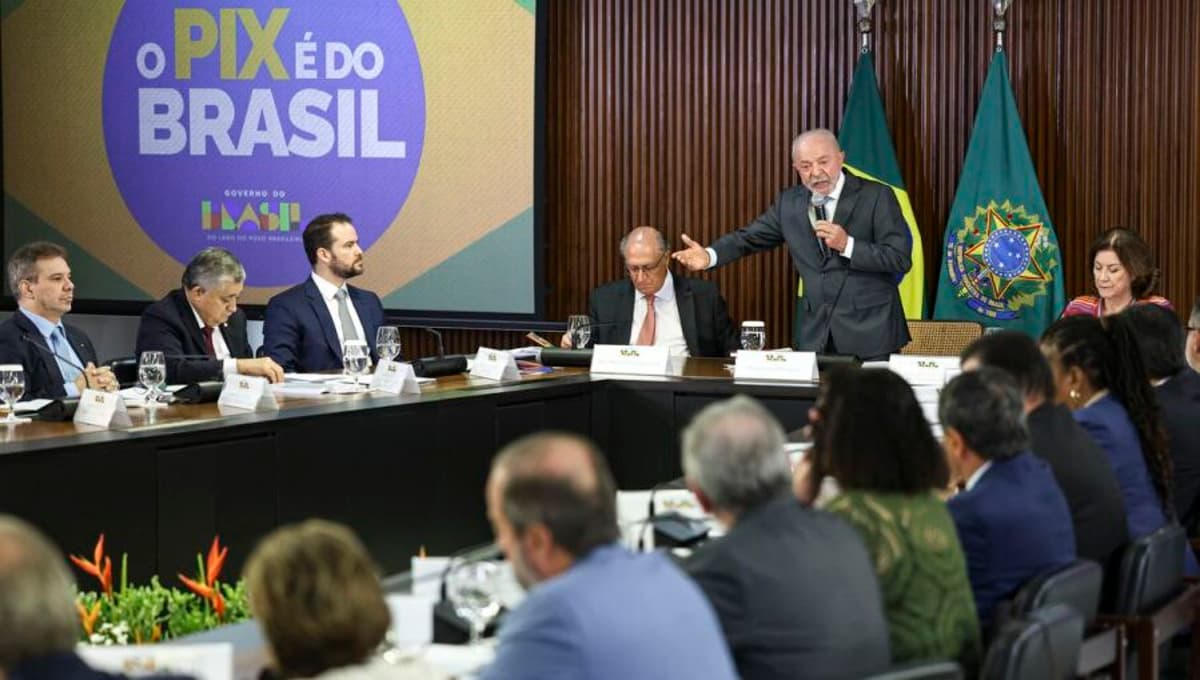
Brazil Seeks New Partners, Expands Credit Lines as US Tariff Threat Mounts
Companies Mentioned
Why It Matters
The measures directly threaten Brazil's export revenues and financing capacity, forcing the government to diversify markets and secure credit lines to cushion potential losses. Successful diplomatic navigation could preserve Brazil’s trade balance and maintain investor confidence amid heightened geopolitical tension.
Key Takeaways
- •US proposes 25% tariff on 20% of Brazil's US exports
- •Additional 12.5% forced‑labour tariff could affect Brazil and 59 nations
- •Brazil lowers export‑revenue threshold to expand Sovereign Brazil 2 credit access
- •Lula plans G7 attendance to seek new trade partners and negotiate relief
- •Up to US$4.15 bn BNDES credit at risk if tariffs proceed
Pulse Analysis
The United States' latest Section 301 investigation targets Brazil’s burgeoning digital‑payment platform Pix and a suite of export categories, threatening a 25% duty that could shave roughly one‑fifth off Brazil’s U.S. sales. Coupled with a 12.5% forced‑labour surcharge that spans 60 nations, the combined tariff pressure represents a significant shock to Brazil’s trade balance, prompting the Lula administration to treat the issue as both an economic and diplomatic priority. By signaling a return to the G7 summit in France, Lula aims to rally multilateral support and open alternative corridors for commodities, high‑tech equipment, and medical devices, sectors that the U.S. itself seeks to dominate.
Domestically, the government’s swift amendment to the Sovereign Brazil 2 credit programme reflects a proactive stance to shield exporters from sudden revenue shocks. Reducing the minimum export‑revenue threshold from 5% to 1% of gross sales widens eligibility, potentially unlocking up to US$4.15 bn in BNDES‑backed financing for a broader swath of supply‑chain participants. This move not only cushions firms against tariff‑induced cash‑flow constraints but also signals to investors that Brazil retains policy flexibility even under external pressure.
Politically, the tariff saga intertwines with Brazil’s upcoming elections, where opposition figures are courting U.S. leadership to gain leverage. While the forced‑labour measure is harder to carve out due to its multilateral nature, Brazil may use the existing 12.5% levy as a bargaining chip to negotiate a reduction or exemption for the more punitive 25% duty. The outcome of these negotiations will shape Brazil’s trade diversification strategy, influence credit market stability, and determine whether the country can sustain its export momentum amid rising protectionist trends.
Brazil seeks new partners, expands credit lines as US tariff threat mounts
Comments
Want to join the conversation?
Loading comments...