Ceasefire Deadline Fuels Oil Market Jitters as US‑Iran Talks Stall in Islamabad

Why It Matters
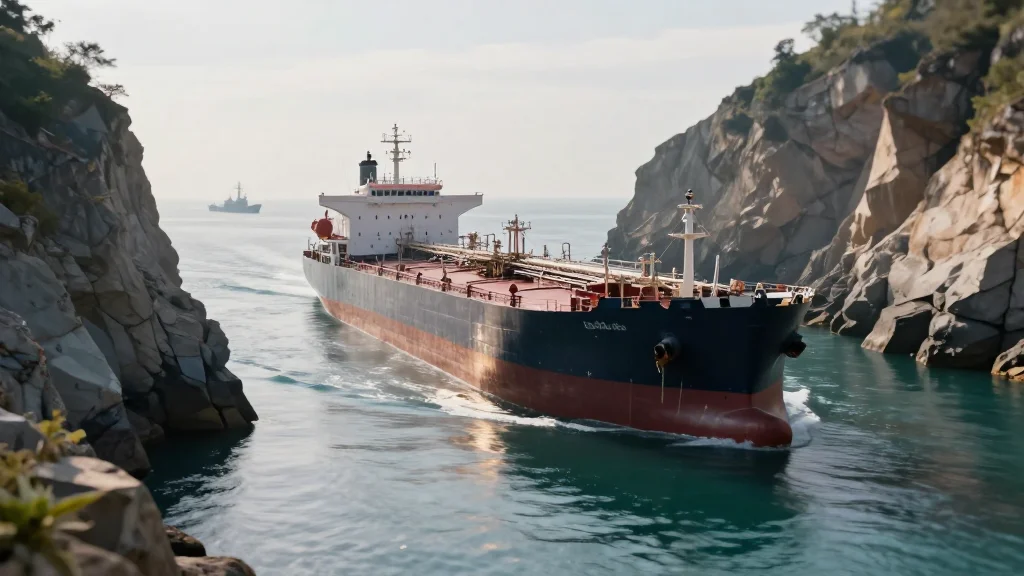
The standoff over the Strait of Hormuz sits at the nexus of geopolitics and the global economy. A prolonged closure would curtail the flow of roughly one‑fifth of the world’s oil, driving up energy costs, squeezing profit margins for manufacturers, and feeding inflation in both developed and emerging markets. Moreover, heightened military tension could trigger broader supply‑chain disruptions, especially for countries heavily reliant on Middle‑East oil, such as China and India. Beyond immediate price spikes, the crisis tests the resilience of international diplomatic mechanisms. A failure to secure a negotiated settlement could embolden other regional actors to leverage strategic chokepoints, reshaping the risk calculus for investors and prompting a reallocation of capital toward less volatile assets.
Key Takeaways
- •President Trump says he will not extend the US‑Iran ceasefire, threatening renewed attacks.
- •Iran’s chief negotiator Mohammad Bagher Ghalibaf rejects talks under threat, warning of new battlefield cards.
- •IAEA head Fatih Birol calls the combined energy shock the "biggest crisis in history" for global markets.
- •Potential closure of the Strait of Hormuz could cut 20% of global oil flow, pushing Brent above $90/barrel.
- •Vice President JD Vance’s planned Islamabad visit remains uncertain, adding to diplomatic volatility.
Pulse Analysis
The current impasse illustrates how geopolitical flashpoints can instantly translate into macro‑economic turbulence. Historically, disruptions in the Strait of Hormuz have led to sharp, albeit short‑lived, spikes in oil prices; however, the confluence of this crisis with lingering supply constraints from the Ukraine war creates a perfect storm for sustained inflationary pressure. Central banks, already grappling with rate‑setting dilemmas, may be forced to tighten monetary policy further if energy prices remain elevated, risking a slowdown in growth.
From a strategic perspective, the United States appears to be leveraging its military posture as a bargaining chip, a tactic reminiscent of Cold War brinkmanship. Yet, this approach risks backfiring if Iran decides to fully re‑close the strait, a move that would hand the U.S. a costly victory at the expense of global economic stability. Conversely, a diplomatic breakthrough—perhaps facilitated by Pakistan’s behind‑the‑scenes mediation—could restore a modicum of market confidence, underscoring the critical role of third‑party actors in de‑escalating high‑stakes negotiations.
Looking ahead, investors should monitor real‑time shipping data for any signs of strait activity, as well as statements from key policymakers in Washington and Tehran. A rapid escalation could trigger a spike in commodity‑linked equities and a flight to safe‑haven assets, while a de‑escalation would likely see a modest correction in oil prices and a rebound in risk‑on sentiment.
Ceasefire Deadline Fuels Oil Market Jitters as US‑Iran Talks Stall in Islamabad
Comments
Want to join the conversation?
Loading comments...