Chasing Billions: Indonesia’s Commodity Export Crackdown Sows Confusion
Companies Mentioned


Why It Matters
The measures could add billions to state coffers and curb decades‑long revenue leakage, but the opaque exemptions risk deterring foreign investors and could pressure Indonesia’s credit rating.
Key Takeaways
- •Export rules force coal, palm oil, ferro‑alloys sales through state firm DSI
- •FTA exporters keep 30% earnings in state banks for three months
- •Non‑FTA exporters must lock 100% proceeds in state banks for 12 months
- •Palm oil prices dropped 10% after rules, shifting buyers toward Malaysia
- •Moody’s and Fitch cut Indonesia’s sovereign outlook to negative over Danantara risk
Pulse Analysis
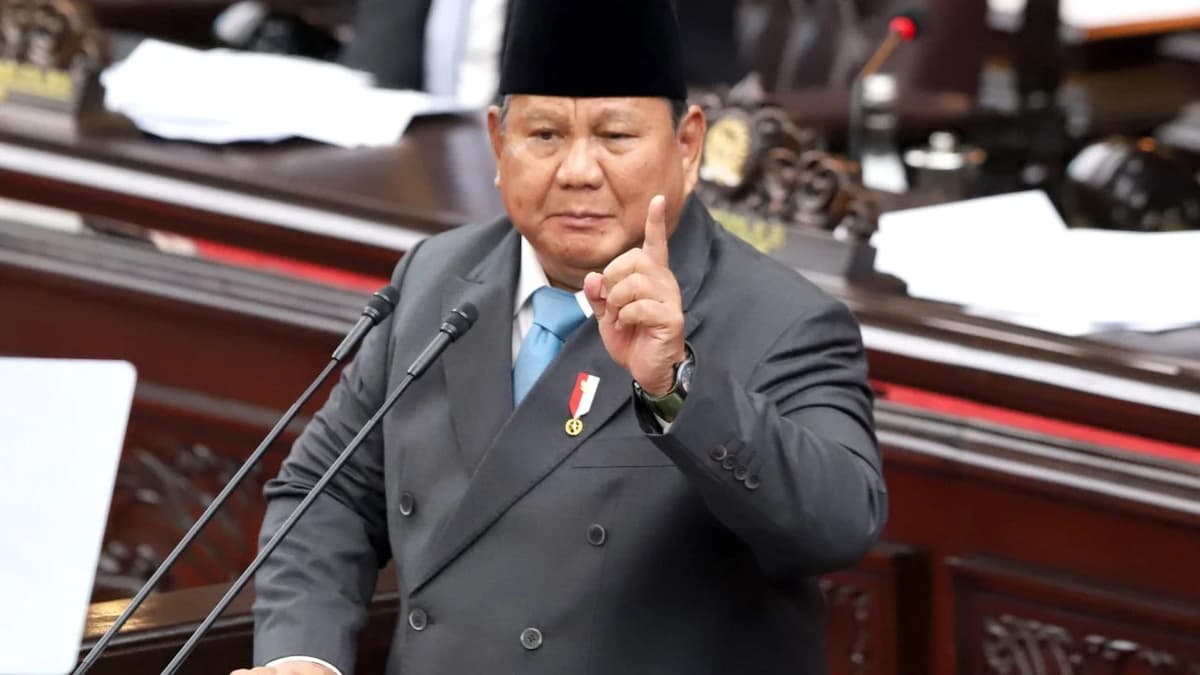
Indonesia’s new export control framework reflects a decisive effort to halt a historic drain of resource wealth. President Prabowo warned that deceptive trade practices have cost the nation nearly $1 trillion over three decades, prompting the creation of Danantara Sumberdaya Indonesia (DSI) to centralise sales of coal, palm oil and ferro‑alloys. By mandating that foreign‑exchange earnings be held in state‑owned banks—30% for free‑trade‑agreement partners and 100% for others—the government hopes to capture an estimated $3.36 billion a year, a figure that could bolster fiscal stability and fund social programs.
The rollout, however, has sparked immediate market turbulence. Palm‑oil auctions saw a 10% price drop, and traders hinted at a shift toward Malaysian supplies as buyers await clarity on DSI’s procedures. While the upstream oil and gas sector enjoys a lighter 30% retention rule, most non‑oil exporters face a full‑year lock‑in, raising concerns about cash‑flow constraints and competitive disadvantage. The selective exemptions for countries like the United States, tied to the ART reciprocal trade pact, have drawn criticism for perceived favoritism, further muddying the policy’s fairness narrative.
Beyond commodity markets, the export regime carries broader macro‑economic implications. Moody’s and Fitch have already revised Indonesia’s sovereign rating outlook to negative, citing Danantara’s governance risks and potential contingent liabilities. As foreign direct investment slows, the perceived policy indecisiveness could exacerbate capital outflows. Nonetheless, officials pledge bi‑weekly updates and stress that existing contracts will not be disrupted, aiming to restore investor confidence and demonstrate that tighter export controls can coexist with a stable, growth‑oriented economy.
Chasing billions: Indonesia’s commodity export crackdown sows confusion
Comments
Want to join the conversation?
Loading comments...