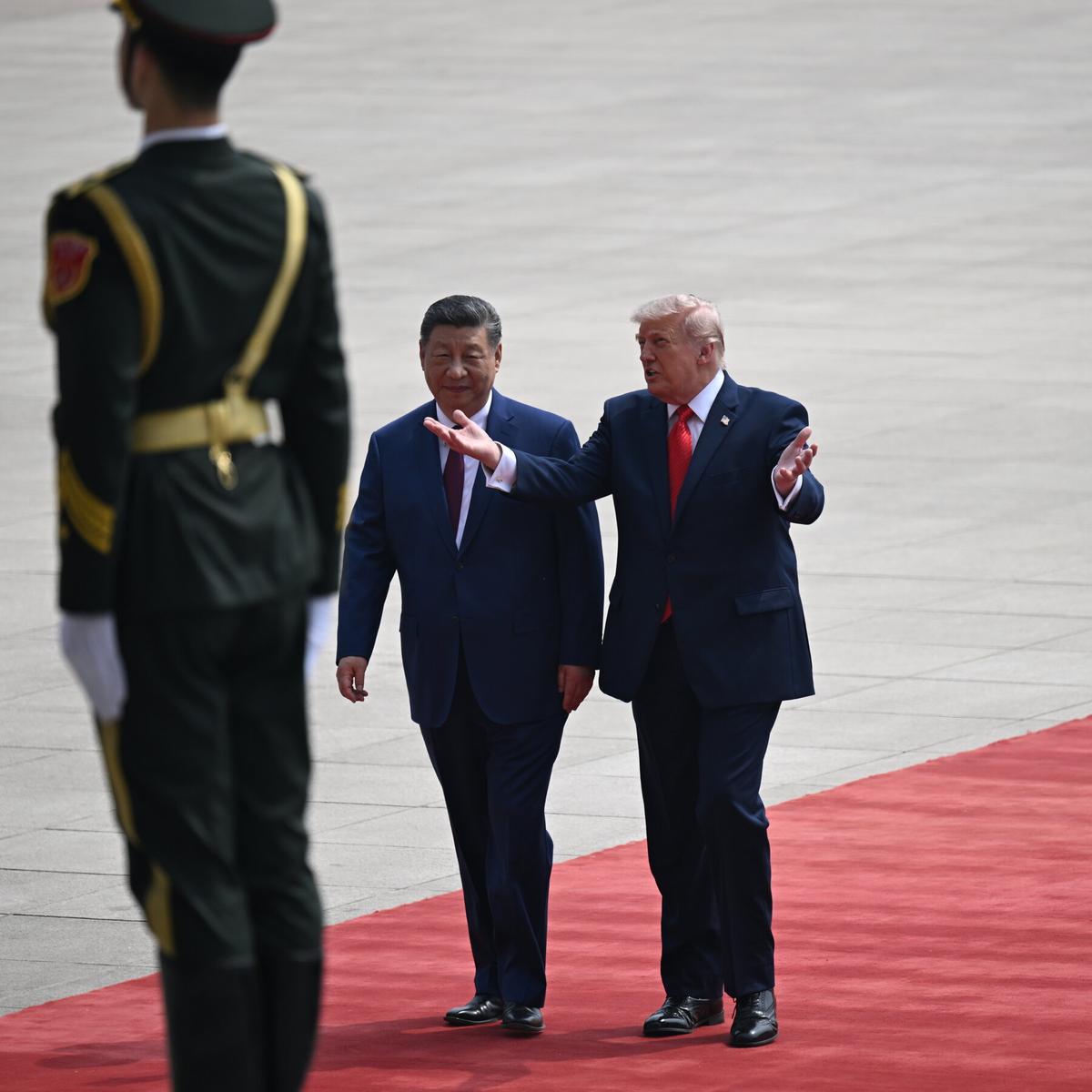
China Indicates Tariffs Were Discussed at Trump Summit
Why It Matters
Easing tariffs could revive trans‑Pacific supply chains and lower costs for U.S. importers, while signaling a potential thaw in strained U.S.–China trade relations.
Key Takeaways
- •China claims tariff talks, opposing Trump’s denial
- •Preliminary agreement to cut tariffs on select products
- •Separate trade and investment boards to be established
- •Tariff reductions to be negotiated through trade board
- •Potential market impact as trade tensions ease
Pulse Analysis
The United States and China have been locked in a protracted trade war since 2018, with tariffs on hundreds of billions of dollars in goods inflating costs for manufacturers and consumers on both sides. President Trump’s recent summit in Beijing was billed as a diplomatic breakthrough, yet his public statements insisted that tariff issues were off the table. This disconnect between political messaging and behind‑the‑scenes negotiations is not new; however, the Chinese Ministry of Commerce’s assertion that a preliminary tariff‑reduction pact was reached adds a concrete layer to the otherwise vague rhetoric.
According to the Chinese briefing, the two governments agreed in principle to lower duties on a "set pool of products of concern to each side," though the exact categories were not disclosed. The creation of distinct trade and investment boards signals a structured approach to managing the complex web of issues that have plagued bilateral relations. By routing tariff discussions through a dedicated trade board, both parties aim to isolate economic concessions from broader geopolitical disputes, potentially allowing for incremental progress without committing to a full‑scale trade reset.
The announcement carries significant implications for global markets. If the tariff reductions materialize, U.S. importers could see cost savings that translate into lower consumer prices, while Chinese exporters may regain competitiveness in key sectors. Moreover, the divergence between Trump’s public denial and China’s claim could influence investor sentiment, prompting a reassessment of risk premiums attached to U.S.–China exposure. Analysts will watch the forthcoming board meetings closely, as they will likely set the pace for any substantive policy shifts and determine whether the trade war is truly winding down or merely entering a new, more nuanced phase.
China Indicates Tariffs Were Discussed at Trump Summit
Comments
Want to join the conversation?
Loading comments...