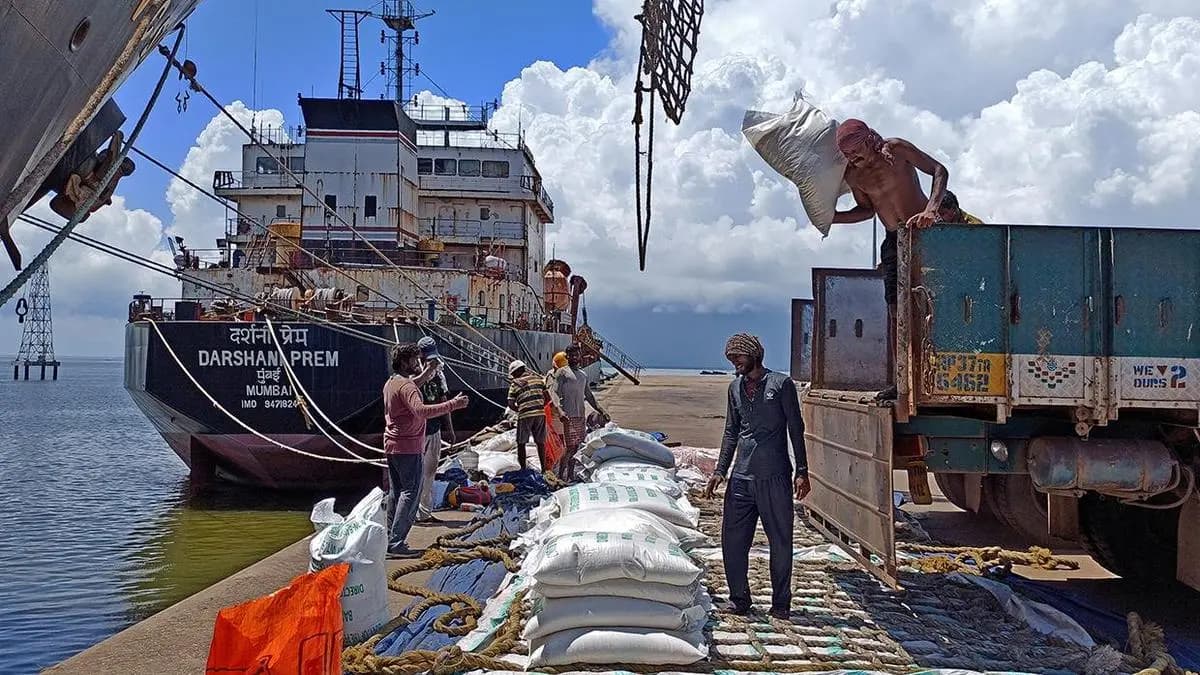
China Rejects Indian Rice Consignments on Alleged GMO Presence, Again
Why It Matters
The rejections threaten India’s rice export market and could signal a broader Sino‑Indian trade confrontation, affecting commodity flows and diplomatic relations.
Key Takeaways
- •China rejected ~70 Indian rice consignments citing GMO presence.
- •India confirms no commercial GM rice cultivation; only GM cotton.
- •Exporters hold back 200 containers; three Indian firms' licences suspended.
- •Trade talks underway with Chinese customs; transparency concerns persist.
- •Issue may signal broader Sino-Indian trade tensions beyond agriculture.
Pulse Analysis
China’s recent wave of rejections of Indian non‑basmati rice shipments has reignited a long‑standing trade friction between the two Asian giants. Since March, Chinese authorities have turned away roughly 70 consignments, officially claiming the presence of genetically modified organisms, even though India’s Genetic Engineering Appraisal Committee has never approved GM rice and the country only cultivates GM cotton. The Chinese state‑owned China Certification & Inspection Group continues to certify the cargo, highlighting a disconnect between inspection outcomes and import decisions that fuels suspicion of a non‑technical motive.
The immediate fallout is hitting Indian exporters hard. Around 200 containers are being held back voluntarily, and three Indian firms have seen their Chinese import licences suspended, prompting a slowdown in shipments that could shave millions of dollars off annual rice export revenues. Analysts view the GMO allegation as a possible leverage tool ahead of broader trade negotiations, allowing Beijing to pressure New Delhi on unrelated issues such as market access for Chinese steel or technology transfers. The lack of methodological transparency from the General Administration of Customs deepens the uncertainty.
Beyond the bilateral dispute, the episode underscores the fragility of global agri‑food supply chains when political narratives intersect with food safety standards. If unresolved, the standoff could push Indian exporters toward alternative markets, reshaping regional rice trade flows and prompting other importing nations to scrutinize certification processes more closely. Diplomatic engagement, including technical audits and joint laboratory testing, may restore confidence, but the episode also signals that future disputes could be framed around scientific claims, making regulatory alignment a strategic priority for both countries.
China rejects Indian rice consignments on alleged GMO presence, again
Comments
Want to join the conversation?
Loading comments...