China Remains Resilient in the Face of Middle East Conflict, Says ADB Economist
Why It Matters
China’s unique combination of strategic oil reserves and leading clean‑tech exports gives it a competitive edge in a volatile energy market, influencing global supply chains and inflation pressures.
Key Takeaways
- •China holds 1.2‑1.5 bn barrels oil reserves, covering four months imports
- •Clean‑tech exports exceed 10% of GDP, bolstering economic resilience
- •Higher global energy prices risk inflation and weaken export demand
- •Alternative pipelines from Russia and Central Asia cut Strait of Hormuz exposure
- •Regional fuel importers lack reserves, heightening their vulnerability to oil shocks
Pulse Analysis
The ongoing Middle East conflict has sent shockwaves through global energy markets, but China appears insulated thanks to a layered defense strategy. Its strategic oil stockpiles—estimated at 1.2‑1.5 billion barrels—provide a four‑month buffer against supply disruptions, while diversified import routes, including pipelines from Russia and Central Asia, reduce reliance on the vulnerable Strait of Hormuz. This dual approach not only safeguards domestic fuel supplies but also stabilizes production costs for China’s massive manufacturing sector.
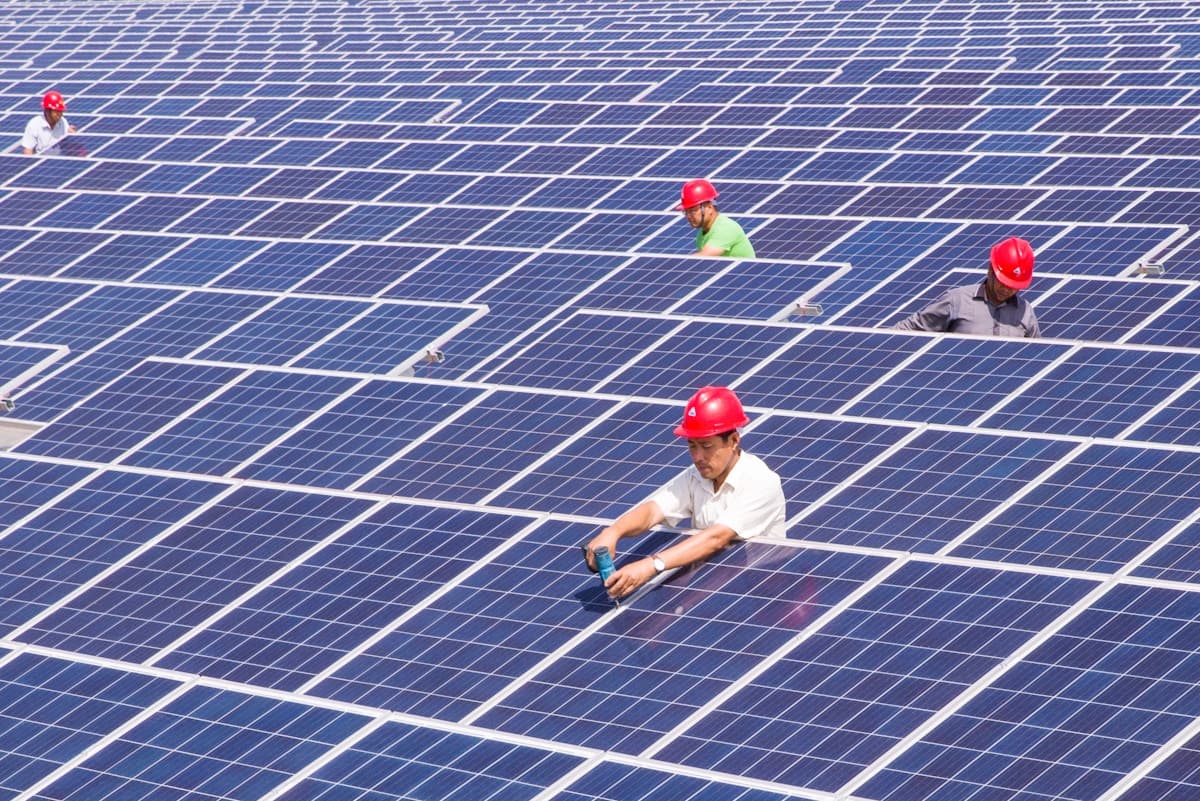
Beyond hydrocarbons, China’s clean‑energy industry has become a cornerstone of its export engine. Solar panels, batteries, electric vehicles and wind turbines now generate more than 10% of the nation’s GDP, positioning Beijing as the world’s largest exporter of low‑carbon technologies. This export strength not only diversifies revenue streams but also reinforces geopolitical influence, as many developing economies increasingly source renewable equipment from China. Compared with regional peers such as Japan, South Korea and India—whose oil imports are heavily channeled through the Middle East—China’s energy mix, with over half of power generation coming from renewables, offers a distinct resilience advantage.
Nevertheless, the resilience is not absolute. Persistent spikes in global oil and gas prices can feed through to higher domestic inflation, eroding consumer purchasing power and squeezing profit margins. Moreover, a slowdown in key export markets— the United States, Europe and Asia—due to broader macroeconomic headwinds could curtail demand for Chinese goods, feeding back into the country’s external sector. Policymakers therefore face a balancing act: maintain strategic reserves and clean‑energy momentum while monitoring inflationary pressures and global demand trends. The coming months will test whether China’s energy buffers can sustain growth amid an increasingly turbulent geopolitical landscape.
China remains resilient in the face of Middle East conflict, says ADB economist
Comments
Want to join the conversation?
Loading comments...