China's April Consumption, Factory Output Growth Slowest in Years
Why It Matters
The weak consumption and factory output signal that China’s shift toward a household‑driven growth model is faltering, raising doubts about the sustainability of its current GDP target. A prolonged domestic slowdown could force policymakers to rely more heavily on exports and fiscal stimulus, reshaping global trade dynamics.
Key Takeaways
- •Retail sales rose only 0.2% YoY in April, slowest since Dec 2022
- •Industrial production growth fell to 4.1% YoY, lowest since July 2023
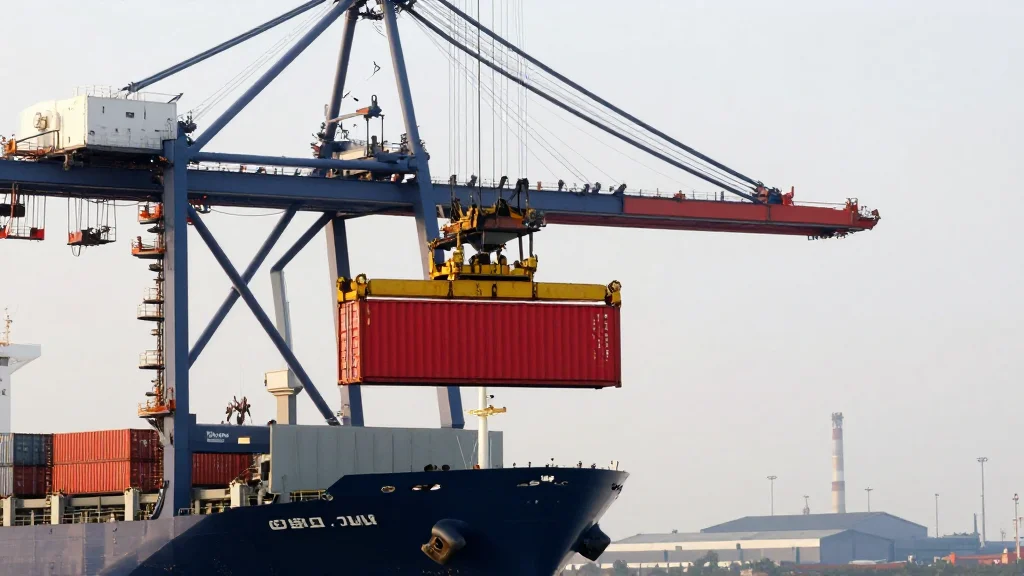
- •Export boom offsets weak domestic demand, sustaining a $1.2 trillion trade surplus
- •Beijing still targets 4.5‑5% GDP growth despite slowing internal activity
Pulse Analysis
China’s latest economic data highlight a structural tension that has deepened since the pandemic’s end. While export shipments continue to surge, buoyed by demand in Southeast Asia and other markets, domestic consumption remains muted. The 0.2% retail‑sales gain reflects lingering consumer caution, partly driven by the lingering fallout from the property‑sector crisis and uncertain employment prospects. This divergence challenges the government’s long‑term strategy of rebalancing growth away from export‑led manufacturing toward a more consumption‑centric model.
Policy makers now face a delicate balancing act. On one hand, the modest slowdown in industrial output—down to 4.1% year‑on‑year—suggests factories are operating below capacity, raising the specter of excess inventory and weaker profit margins. On the other, the government’s growth target of 4.5‑5% for 2026 signals a willingness to deploy fiscal tools, such as tax cuts or infrastructure spending, to stimulate demand. Recent signs of stabilization in new‑home prices across 70 cities may hint at a tentative recovery in the housing market, but confidence remains fragile, and any aggressive stimulus could risk overheating already volatile sectors.
Looking ahead, China’s economic resilience will hinge on how effectively it can convert export strength into broader domestic prosperity. The $1.2 trillion trade surplus provides a buffer, yet reliance on external demand leaves the economy vulnerable to geopolitical shocks, such as the ongoing U.S.–Israeli‑Iran tensions that could disrupt supply chains. Analysts expect that, barring a major external shock, China’s GDP growth will stay within the targeted range, but the path will likely involve a mix of targeted stimulus, gradual property‑sector reforms, and efforts to boost household purchasing power. The coming months will be a litmus test for Beijing’s ability to reignite consumer confidence without compromising financial stability.
China's April consumption, factory output growth slowest in years
Comments
Want to join the conversation?
Loading comments...