China’s Economy Starts to Show Cracks From Iran War
Why It Matters
A slowdown in China, the world’s largest goods producer, could dampen global demand, disrupt supply chains, and increase uncertainty for exporters and investors.
Key Takeaways
- •Oil price surge from Iran war pressures Chinese manufacturing costs
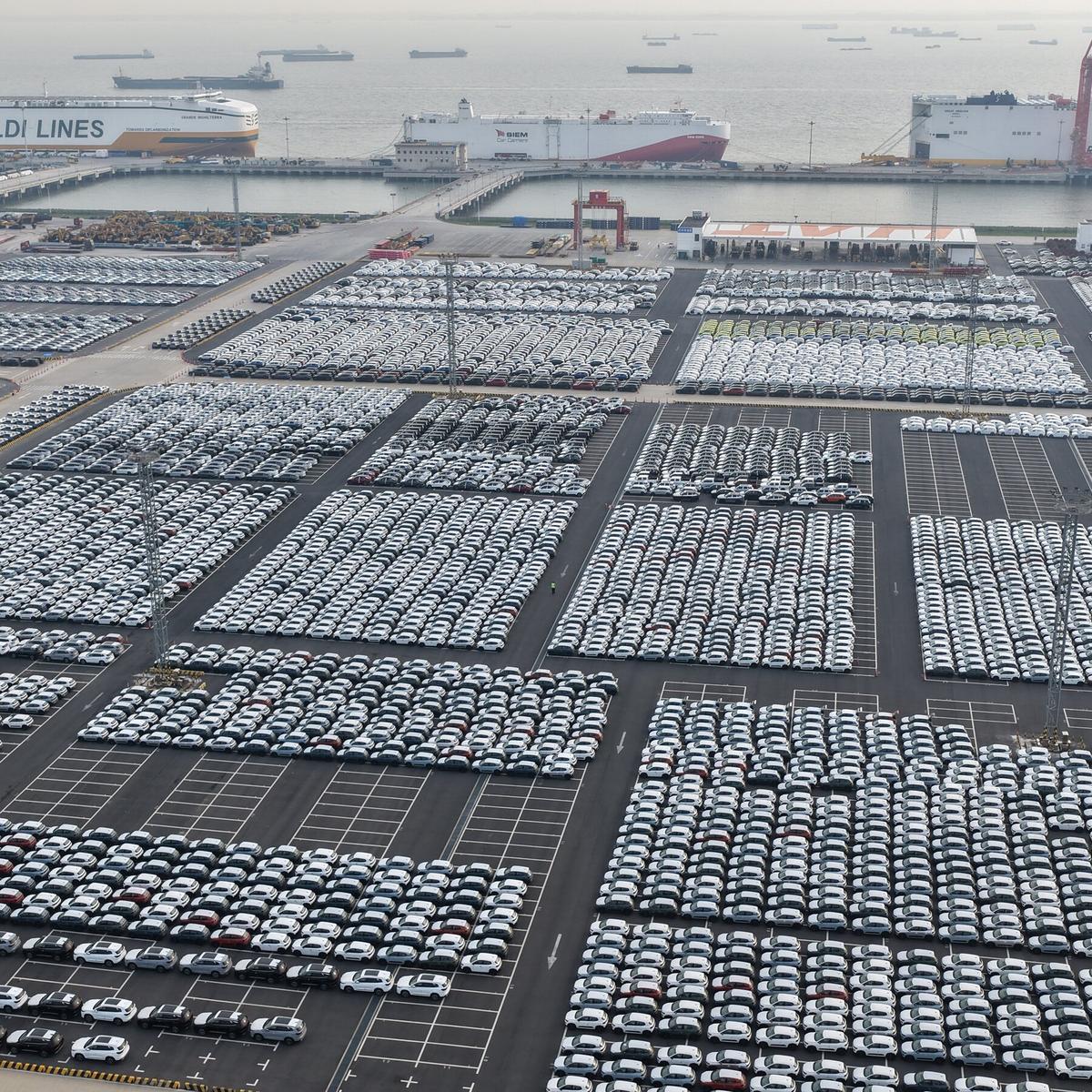
- •March car sales fell; April decline deepens consumer confidence dip
- •Toy‑factory protests highlight rising plastic prices and tariff impacts
- •Natixis warns China may miss its 4.5% GDP growth target
Pulse Analysis
The Iran conflict has sent oil and natural‑gas prices soaring, testing China’s strategic reserves that have long insulated the world’s second‑largest economy. While those stockpiles cushion short‑term energy shocks, higher input costs quickly ripple through a manufacturing sector already grappling with weaker domestic demand. Analysts note that the price surge is eroding profit margins for auto makers, steel producers, and downstream suppliers, creating a feedback loop that slows production and curtails investment.
Consumer sentiment is showing equally stark signs of fatigue. March auto sales slipped, and April figures fell even further, signaling reduced household confidence in big‑ticket purchases. Simultaneously, restaurants and hotels report thinner foot traffic as families tighten budgets. In the south, thousands of toy‑factory workers staged protests after a plant collapsed under rising plastic prices and lingering U.S. tariffs, underscoring how raw‑material cost spikes translate into real‑world labor unrest. These micro‑level pressures amplify broader concerns about a decelerating Chinese economy.
The broader implications extend beyond China’s borders. As the world’s primary exporter of manufactured goods, a slowdown threatens global supply chains, potentially raising prices for everything from electronics to apparel. Investors are watching Beijing’s ability to meet its 4.5% GDP growth target, a benchmark that influences monetary policy and foreign‑direct investment flows. Should growth fall short, the ripple effect could tighten credit conditions worldwide and prompt a reassessment of risk exposure in emerging markets. Policymakers may need to balance stimulus measures with inflationary pressures stemming from higher energy costs, making the coming months critical for both domestic stability and global economic health.
China’s Economy Starts to Show Cracks From Iran War
Comments
Want to join the conversation?
Loading comments...