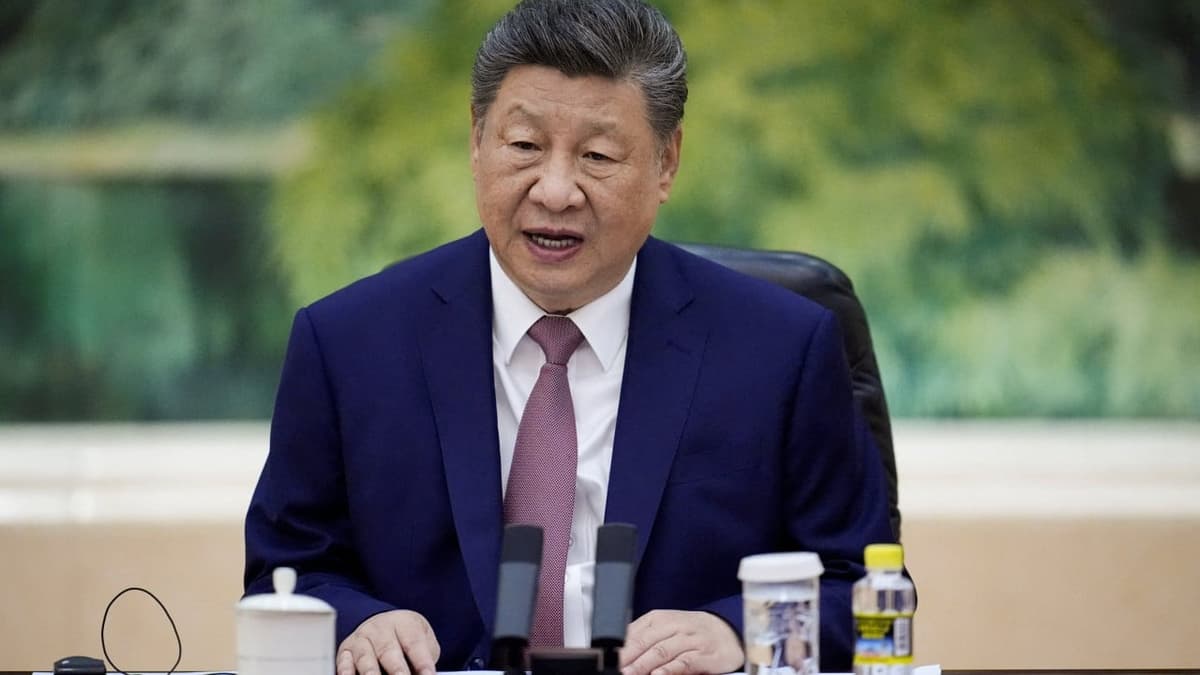
China’s Politburo Steps up Policy Response as Iran War Shakes Global Economy
Companies Mentioned
Why It Matters
The move underscores Beijing’s willingness to intervene directly in the economy, shaping global trade flows and tech competition as geopolitical tensions reverberate. Investors and partners will watch how China’s stimulus and energy policies affect commodity prices and supply chains worldwide.
Key Takeaways
- •Politburo pledges accelerated infrastructure spending to counter global slowdown
- •China aims to achieve tech self‑reliance amid US export restrictions
- •Energy security plan includes expanding strategic petroleum reserves
- •Beijing will diversify oil imports away from Middle‑East volatility
- •Policy mix combines fiscal stimulus, monetary easing, and regulatory support
Pulse Analysis
The war sparked by the United States and Israel’s strike on Iranian targets has sent oil prices soaring and disrupted shipping lanes that feed China’s massive manufacturing base. Even modest price spikes ripple through China’s import‑dependent energy sector, raising concerns about inflationary pressure and the cost of raw materials for exporters. Analysts note that the conflict has also strained global supply chains, prompting Beijing to reassess its exposure to geopolitical risk and to look for ways to insulate domestic growth from external turbulence.
In response, the Politburo outlined a three‑pronged policy agenda. First, it will fast‑track a slate of infrastructure projects—from high‑speed rail to port upgrades—to inject demand and create jobs. Second, the government is rolling out subsidies, tax breaks and state‑funded research to accelerate homegrown semiconductor and AI capabilities, reducing reliance on U.S. technology licences. Third, China is bolstering its energy security by expanding strategic petroleum reserves, diversifying oil import sources, and investing in renewable‑energy storage to hedge against future Middle‑East volatility. These measures are being coordinated with a modest monetary easing to keep financing costs low.
The broader implications are significant for both domestic and international stakeholders. A surge in Chinese infrastructure spending could lift global commodity demand, supporting exporters in Australia, Brazil and Africa. Meanwhile, a stronger push for tech self‑sufficiency may intensify competition with the United States and its allies, potentially reshaping global semiconductor supply chains. Energy‑security initiatives could also dampen the impact of future oil shocks, offering a more stable backdrop for multinational firms that rely on predictable input costs. Investors should monitor policy implementation timelines and any adjustments to fiscal stimulus, as they will likely dictate market sentiment across sectors ranging from construction to high‑tech manufacturing.
China’s Politburo steps up policy response as Iran war shakes global economy
Comments
Want to join the conversation?
Loading comments...