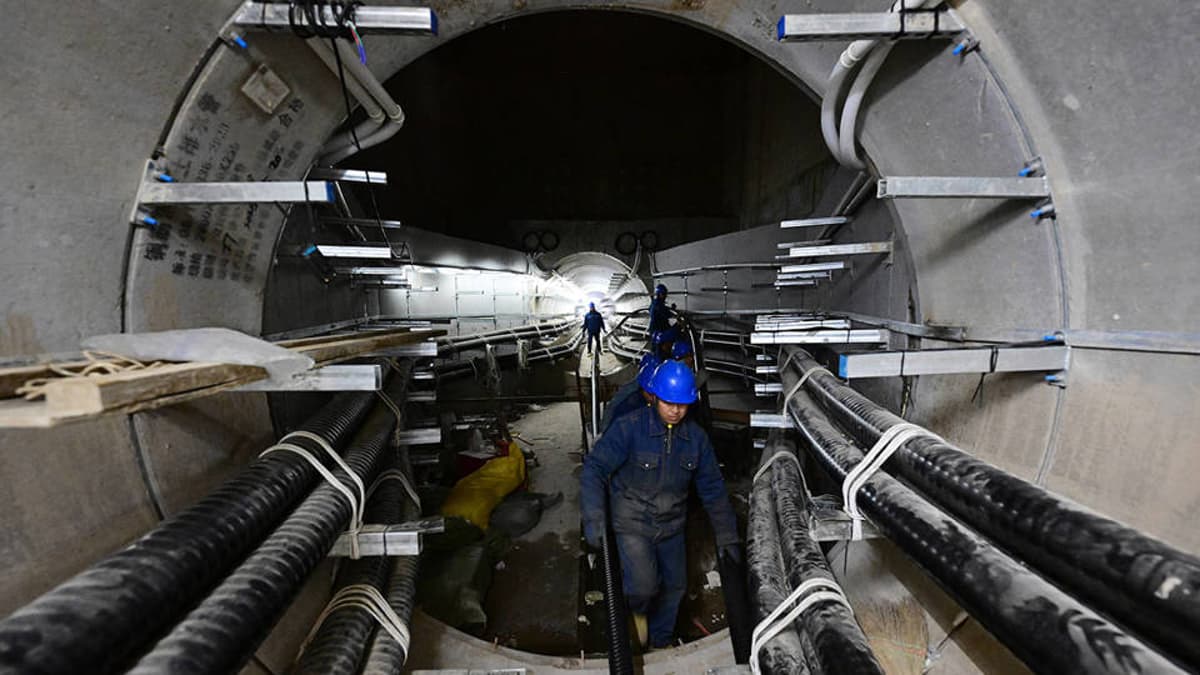
China’s Return to Infrastructure-Led Growth
Why It Matters
The rebound signals renewed policy support for capital projects, bolstering domestic demand and influencing global supply chains. Investors and multinational firms must gauge China’s infrastructure spending trajectory as it shapes commodity markets and growth outlooks.
Key Takeaways
- •Q1 GDP grew 5% YoY, reversing 2025 slowdown
- •PPI rose 0.5% YoY, ending 41‑month deflation streak
- •Government likely to maintain fiscal stimulus for infrastructure
- •External shocks like oil price volatility remain policy risks
Pulse Analysis
China’s strategic shift toward infrastructure investment reflects a pragmatic response to persistent demand gaps. After years of trying to ignite consumer spending, policymakers recognize that large‑scale projects—roads, rail, energy grids—deliver immediate fiscal stimulus and long‑term productivity gains. This approach also aligns with the Communist Party’s broader goal of sustaining stable growth without relying on volatile export markets, positioning China as a continued engine of global economic activity.
The latest macro data underscore the effectiveness of this pivot. A 5% year‑on‑year GDP increase in the first quarter marks the first robust expansion since the second half of 2025, while the producer price index’s 0.5% rise ends a three‑year deflationary streak. These metrics suggest that infrastructure spending is translating into higher industrial output and demand for raw materials. Consequently, the People’s Bank of China is likely to keep interest rates accommodative, and the Ministry of Finance may roll out additional bond issuances to fund regional projects, reinforcing a pro‑growth monetary‑fiscal stance.
Looking ahead, the sustainability of this growth model hinges on managing external risks. Fluctuating oil prices, geopolitical tensions, and potential debt overhang in local governments could temper the momentum. Nevertheless, sustained infrastructure financing offers opportunities for multinational contractors, equipment manufacturers, and commodity exporters. Stakeholders should monitor policy announcements, project pipelines, and credit conditions to assess where capital is flowing, as China’s infrastructure push will continue to shape global trade patterns and investment strategies.
China’s Return to Infrastructure-Led Growth
Comments
Want to join the conversation?
Loading comments...