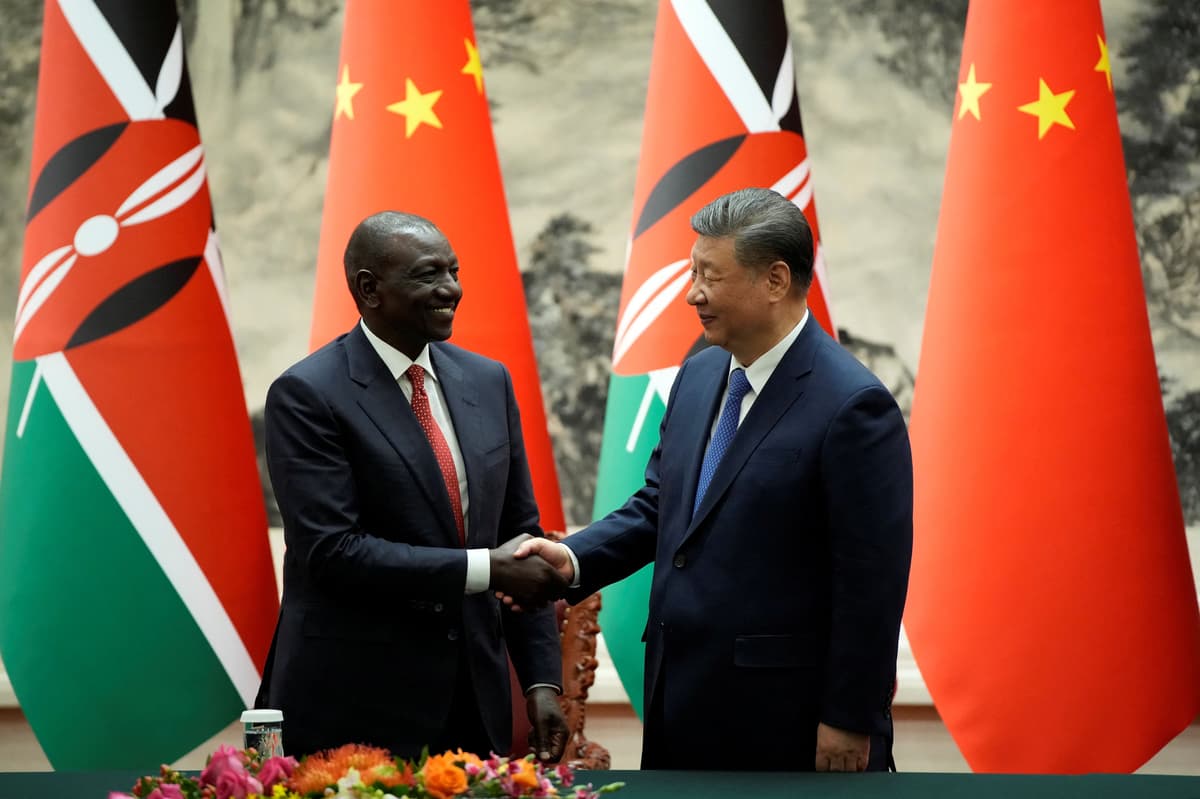
China’s Soft Power Play in Africa
Why It Matters
The tariff removal deepens China’s strategic influence in Africa and tests the continent’s ability to shift from commodity dependence to higher‑value manufacturing, reshaping global trade dynamics.
Key Takeaways
- •China eliminated tariffs for 53 African nations, except Eswatini.
- •Africa's $102 bn trade deficit with China grew 65% YoY.
- •Tariff cuts won’t fix imbalance without African industrialization.
- •Non‑tariff barriers remain major cost for African exporters.
- •Beijing shifts from loans to investment amid geopolitical tensions.
Pulse Analysis
On July 1, Beijing lifted import duties on goods from 53 African states, a move framed as a gesture of partnership but also a calculated soft‑power tactic. By offering duty‑free access, China positions itself as a reliable trade ally, contrasting with the United States, which has increasingly used tariffs as a punitive tool. The exemption of Eswatini, due to its diplomatic recognition of Taiwan, signals that the generosity has clear political limits. Analysts view the policy as a bid to deepen economic ties while reinforcing Beijing’s geopolitical foothold across the continent.
The tariff waiver arrives against a backdrop of a $102 billion trade deficit for Africa, up 65 percent year‑on‑year, as the continent exports primarily raw minerals and imports higher‑value manufactured goods. While lower duties reduce entry costs, they do not address the structural challenges that keep African exporters dependent on commodity sales. Issues such as foreign‑exchange controls, cumbersome customs procedures, and health‑and‑safety regulations act as non‑tariff barriers that can outweigh any tariff relief. Sustainable improvement will require industrial diversification and policy reforms that enable value‑added production.
China’s strategy is also evolving from loan‑driven projects to direct investment, a shift accelerated by geopolitical strains such as the war in Iran. This transition could bring more private‑sector capital into African manufacturing, renewable energy, and digital infrastructure, aligning with the continent’s long‑term growth agenda. However, without coordinated efforts from African governments to create an enabling business environment, the potential benefits may remain limited. The tariff removal is therefore a first step—symbolic and useful—but the real test lies in how quickly African economies can convert market access into industrial capacity.
China’s soft power play in Africa
Comments
Want to join the conversation?
Loading comments...