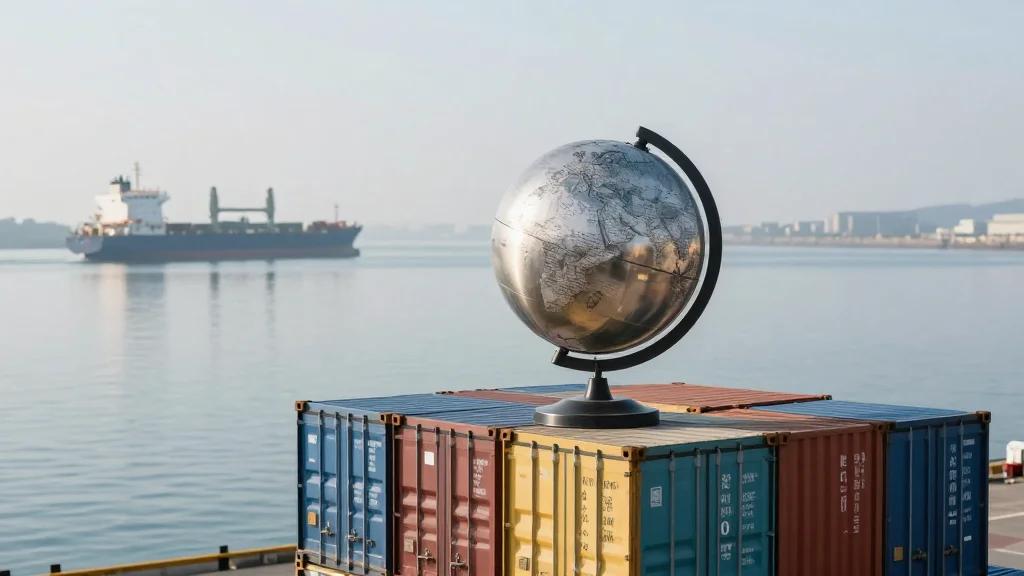
Chinese Debates on a Fragmenting Global Order | Sinification: February 2026
Key Takeaways
- •Managed trade frameworks replace traditional free‑trade agreements
- •China debates explicit economic red lines akin to Taiwan policy
- •Capital account opening faces divergent forecasts, from years to decades
- •AI threatens labor shift toward low‑productivity sectors in China
- •Japan's right‑wing surge pressures China on Taiwan and security
Pulse Analysis
China’s intellectual circles are increasingly questioning the viability of the post‑World‑War free‑trade paradigm. Scholars such as Ma Xiaoye argue that a "managed trade" system—where product‑specific volume and value caps are negotiated—could better align with the realities of a United States that is scaling back its global financial dominance. This approach dovetails with broader calls for a "common finance" architecture that distributes adjustment responsibilities between surplus and deficit economies, positioning China as a potential architect of a more balanced international economic order.
At the same time, domestic policy debates reveal stark divisions over financial liberalisation. Proponents like Li Xunlei contend that the renminbi is undervalued and that opening the capital account would boost global currency diversification, while cautious voices such as Zhang Chun predict a two‑decade horizon before full onshore conversion. Parallel discussions on the property sector and AI‑driven labour displacement highlight the Chinese leadership’s struggle to balance growth, social stability, and technological disruption, with heterodox ideas challenging entrenched regulatory orthodoxy.
Geopolitically, the digest underscores a heightened sense of urgency surrounding Japan’s right‑wing ascendancy and the lingering fallout from the US‑Israel strike on Iran’s leadership. Analysts warn that Japan’s militarisation could compress the strategic window for a Taiwan de‑escalation, prompting Chinese strategists to prioritize diplomatic red lines and regional influence. Combined with Europe’s wavering NATO commitment and emerging de‑dollarisation trends, these discussions suggest that China is weighing both opportunities and risks as the global order fragments, shaping policy choices that will reverberate across trade, finance, and security domains.
Chinese Debates on a Fragmenting Global Order | Sinification: February 2026
Comments
Want to join the conversation?