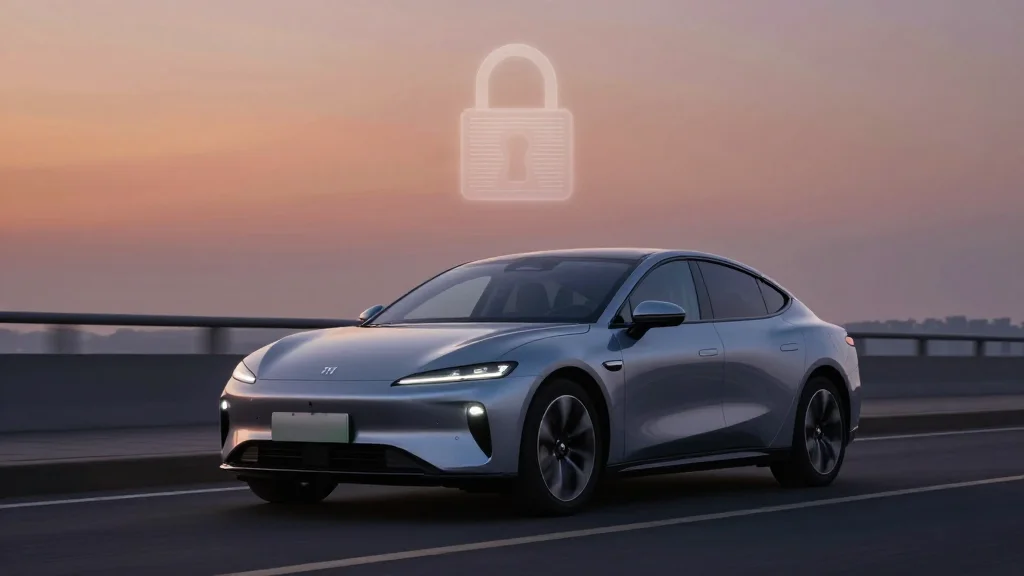
Chinese Electric Vehicle Exports Rise Amid the Oil Crisis, Posing a Dilemma for Importing Countries
Why It Matters
Importing Chinese connected EVs can ease immediate energy and cost pressures but may expose critical infrastructure to cyber intrusion and erode domestic automotive capabilities, forcing policymakers to balance economic relief against national security.
Key Takeaways
- •Chinese EV exports hit record highs in 2025, rising through March 2026.
- •Canada will allow 49,000 Chinese EVs with 6.1% tariff.
- •Chinese firms invested $16 billion abroad in 2024, mainly battery plants.
- •Norway and Denmark discovered backdoors in Yutong buses, raising cyber concerns.
- •Democracies urged to limit Chinese connected vehicles in government and critical sites.
Pulse Analysis
The surge in Chinese electric‑vehicle shipments is not merely a product of aggressive pricing; it is being amplified by the current oil shock triggered by the conflict in Iran. As gasoline prices climb, governments and fleets worldwide are scrambling for alternatives that can preserve mobility without inflating budgets. Chinese manufacturers, backed by state subsidies and a sprawling battery supply chain, have leveraged this demand to push BEVs, PHEVs and HEVs into markets that previously favored domestic models. The result is a rapid expansion of Chinese‑made EVs on roads from North America to Southeast Asia.
Yet the allure of cheap, connected cars masks a deeper strategic risk. Chinese data‑security laws obligate companies to cooperate with state intelligence, and embedded telematics can serve as entry points for espionage or sabotage. Recent investigations in Norway and Denmark uncovered a remote‑disable backdoor in Yutong buses, confirming that such vulnerabilities are operational, not theoretical. For democracies that rely on secure communications in critical sectors—defense, emergency services, and logistics—the presence of foreign‑controlled firmware raises the specter of coordinated cyber‑attacks during geopolitical crises.
Policymakers therefore must craft a nuanced response that safeguards energy security without surrendering cyber resilience. Options include imposing strict certification standards for foreign‑made connected vehicles, barring them from government fleets and sensitive infrastructure, and accelerating domestic EV production through subsidies and joint‑venture incentives. Strategic investment in homegrown battery and semiconductor capabilities can also reduce dependence on Chinese supply chains. By balancing short‑term import relief with long‑term industrial revitalization, democracies can mitigate the dual threats of fuel volatility and digital intrusion.
Chinese electric vehicle exports rise amid the oil crisis, posing a dilemma for importing countries
Comments
Want to join the conversation?
Loading comments...