Chinese Ports Are the Next Geoeconomic Battleground
•February 24, 2026
0
Why It Matters
Control of strategic ports dictates trade flows, national security, and geopolitical power, making the contest critical for global commerce and policy makers.
Key Takeaways
- •Chinese firms hold contracts at 133 ports in 67 countries
- •US, EU, Australia target Chinese ports with legal pressure
- •Panama court ruling could model curbing Chinese port influence
- •EU draft Ports Strategy proposes stricter foreign ownership rules
- •Australia aims to nationalize Darwin port amid China tensions
Pulse Analysis
China’s Belt and Road Initiative has turned ports into strategic assets, with state‑owned Cosco, China Merchants and Hong Kong‑based CK Hutchison securing stakes in dozens of terminals worldwide. These holdings give Beijing not only economic leverage—through cargo handling fees and logistics services—but also a covert coercive tool, as access to critical maritime chokepoints can be weaponized in diplomatic disputes. The sheer scale of the network, now touching every major trade corridor from the Panama Canal to European hubs, has drawn the attention of policymakers who view port ownership as a national‑security issue.
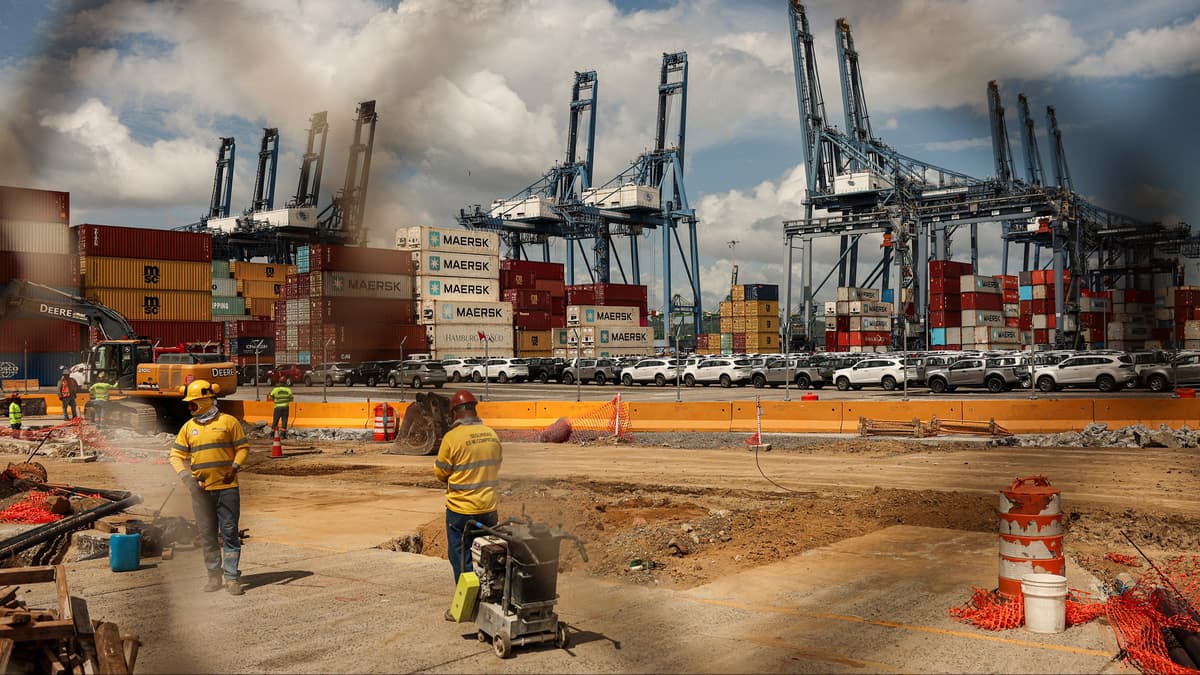
Western governments have responded with a coordinated playbook that blends legal challenges, regulatory tightening, and strategic acquisitions. Panama’s Supreme Court annulled tax‑exempt concessions for CK Hutchison, paving the way for European operators Maersk and MSC to assume temporary control—a template the United States hopes to replicate elsewhere. In Europe, the European Commission’s forthcoming Ports Strategy seeks to tighten foreign‑ownership rules for high‑traffic terminals such as Rotterdam and Hamburg, while the United States has pressed for the sale of Greece’s Piraeus hub. Australia, fearing economic retaliation, is moving to reclaim its Darwin port from Chinese‑controlled Landbridge, underscoring the global reach of this pushback.
The intensifying rivalry portends a reshaped maritime landscape where Chinese operators may face fragmented markets and heightened scrutiny. Companies reliant on these hubs must anticipate possible ownership changes, regulatory compliance costs, and supply‑chain disruptions. At the same time, the West’s assertive stance could open opportunities for local investors and allied firms to fill vacated slots, provided they navigate the geopolitical sensitivities. As 2025 marks a turning point, stakeholders across logistics, finance, and policy will need to monitor port‑ownership trends closely to mitigate risk and capitalize on emerging strategic openings.
Chinese ports are the next geoeconomic battleground
0
Comments
Want to join the conversation?
Loading comments...