Churn in Horn of Africa Political Alliances
Companies Mentioned
Why It Matters
The realignment of naval bases and trade routes directly impacts global oil flows and the safety of the Maritime Security Transit Corridor, while U.S. engagement could alter the balance of power in a geopolitically volatile zone.
Key Takeaways
- •Bab el Mandeb now carries >50% of Saudi oil after Hormuz blockage
- •UAE pullout deactivates Red Sea bases, weakening surveillance
- •US explores Eritrean ties despite congressional opposition
- •Somaliland’s upgraded Berbera port attracts Western interest
- •Yemen IRG consolidation shifts power away from UAE‑backed Southern Council
Pulse Analysis
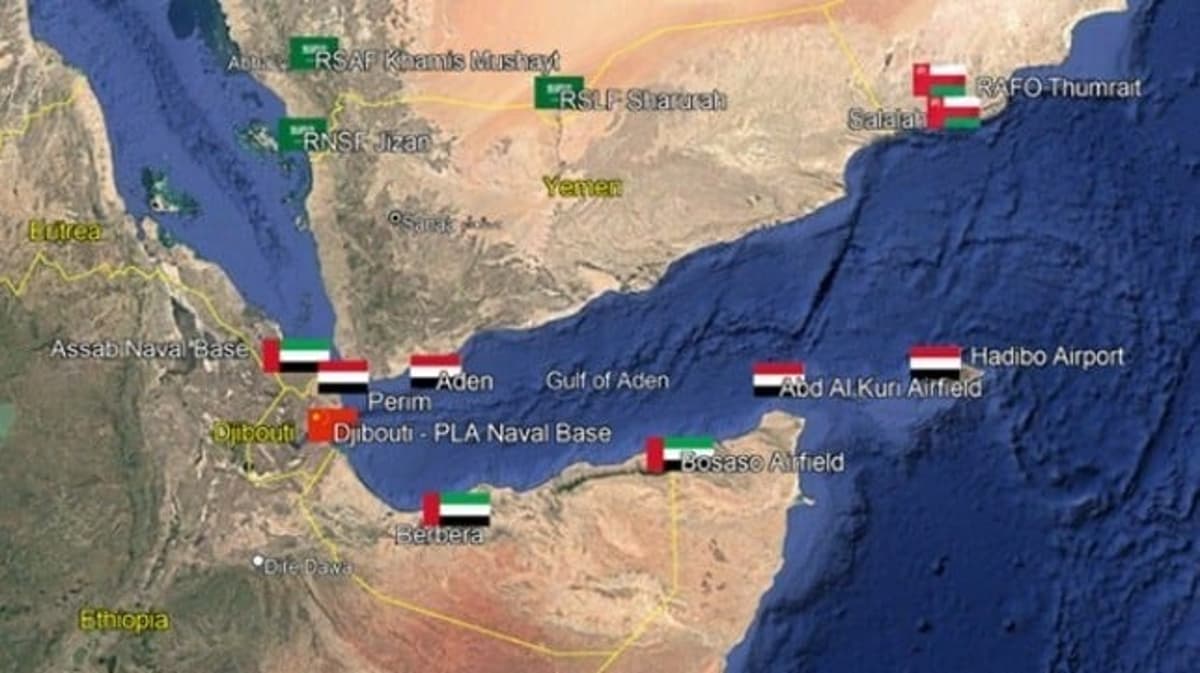
The Bab el‑Mandeb strait has become the linchpin of global energy logistics after the Strait of Hormuz was effectively blocked. More than half of Saudi crude now exits via the East‑West pipeline to Yanbu and transits the Bab, a dramatic rise from roughly 20% before the crisis. This surge has amplified the strategic value of the Maritime Security Transit Corridor, which already moves close to 15% of world trade, and has heightened concerns about chokepoint vulnerabilities for both oil and container traffic.
Political currents are equally volatile. In Yemen, the Internationally Recognized Government has consolidated power, marginalizing the UAE‑backed Southern Transition Council. The UAE’s subsequent withdrawal from key Red Sea and Gulf of Aden bases has left a surveillance gap, prompting Washington to consider a pragmatic rapprochement with Eritrea despite strong congressional objections. Eritrea’s ports could offer the United States a low‑profile foothold to monitor the southern Red Sea, balancing the need for presence against the risk of aligning with a regime often likened to North Korea.
At the same time, Somaliland is leveraging its newly upgraded Berbera port—now equipped with a 4,140‑meter runway and modern container facilities—to court Western basing rights, positioning itself as a viable alternative to the congested Djibouti hub. This development has sparked competition from Turkey and Egypt, each seeking influence in Somalia and the broader Horn. For the United States, supporting a stable, pro‑Western Somaliland could provide a strategic launchpad for regional operations without the political baggage of a deeper Eritrean partnership, while helping preserve freedom of navigation along one of the world’s most critical trade arteries.
Churn in Horn of Africa Political Alliances
Comments
Want to join the conversation?
Loading comments...