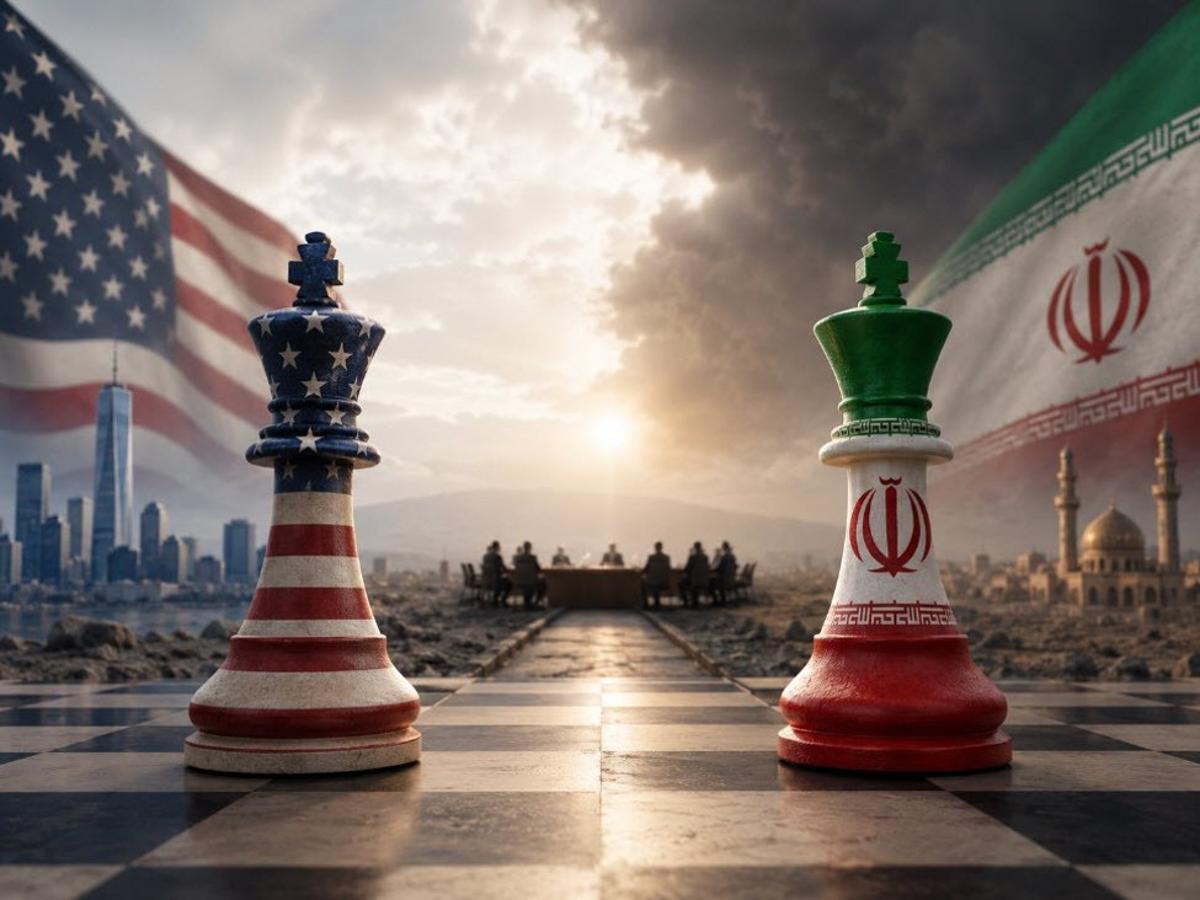
CNN: Iran-US Talks Reportedly Deadlocked
Why It Matters
The impasse threatens to derail any near‑term nuclear‑related agreement and could reignite geopolitical tension that would impact global energy supplies and U.S. leverage in the region.
Key Takeaways
- •Iran demands $24 billion frozen assets, split into two $12 billion tranches.
- •U.S. resists early release, fearing loss of leverage in talks.
- •Deadlock raises risk of renewed conflict across Gulf and Indian Ocean.
- •Oil prices could climb if shipping routes face disruption.
- •Negotiations unlikely to yield breakthrough before U.S. election cycle.
Pulse Analysis
The latest statements from Iran’s senior adviser Mohsen Rezaei confirm that talks with Washington have stalled over a $24 billion cache of frozen Iranian assets. Tehran insists on an immediate release of $12 billion at the signing of an interim accord, followed by a second tranche later, framing the payout as a trust‑building measure. By contrast, U.S. officials argue that unlocking the funds now would erode a critical bargaining chip that has underpinned sanctions policy for years. The impasse highlights how financial leverage remains the centerpiece of any prospective nuclear‑related settlement.
Beyond the financial standoff, Tehran warns that a return to hostilities could spill into several strategic chokepoints. Rezaei cited the Strait of Hormuz, the Bab al‑Mandab, the Red Sea and even the Mediterranean as potential theaters if the United States resumes pressure. Such an expansion would threaten global shipping lanes that move roughly a third of the world’s oil, prompting naval deployments and raising the specter of broader regional escalation. Analysts therefore view the asset dispute as a proxy for deeper security calculations that could reshape U.S. Middle East strategy.
Investors are already pricing the diplomatic uncertainty into energy markets. Crude futures slipped modestly to $90.75 a barrel after the deadlock was reported, but analysts warn that any flare‑up in the Gulf could push prices back above $100, given the tight global supply balance. The episode also underscores the vulnerability of sanctions‑dependent economies to political bargaining, a factor that may influence future U.S. policy toward Iran and other sanctioned states. In the short term, market participants will monitor Washington’s response to the asset demand as a bellwether for geopolitical risk.
CNN: Iran-US talks reportedly deadlocked
Comments
Want to join the conversation?
Loading comments...