Contentious EU-Mercosur Trade Deal Takes Provisional Effect
Why It Matters
The provisional rollout instantly expands market access for EU exporters and consumers, but the unresolved legal dispute and farmer opposition could jeopardize long‑term benefits and set a precedent for how the EU handles contentious trade accords.
Key Takeaways
- •Provisional EU-Mercosur deal eliminates most tariffs between regions
- •Legal challenge pending at EU Court could halt agreement
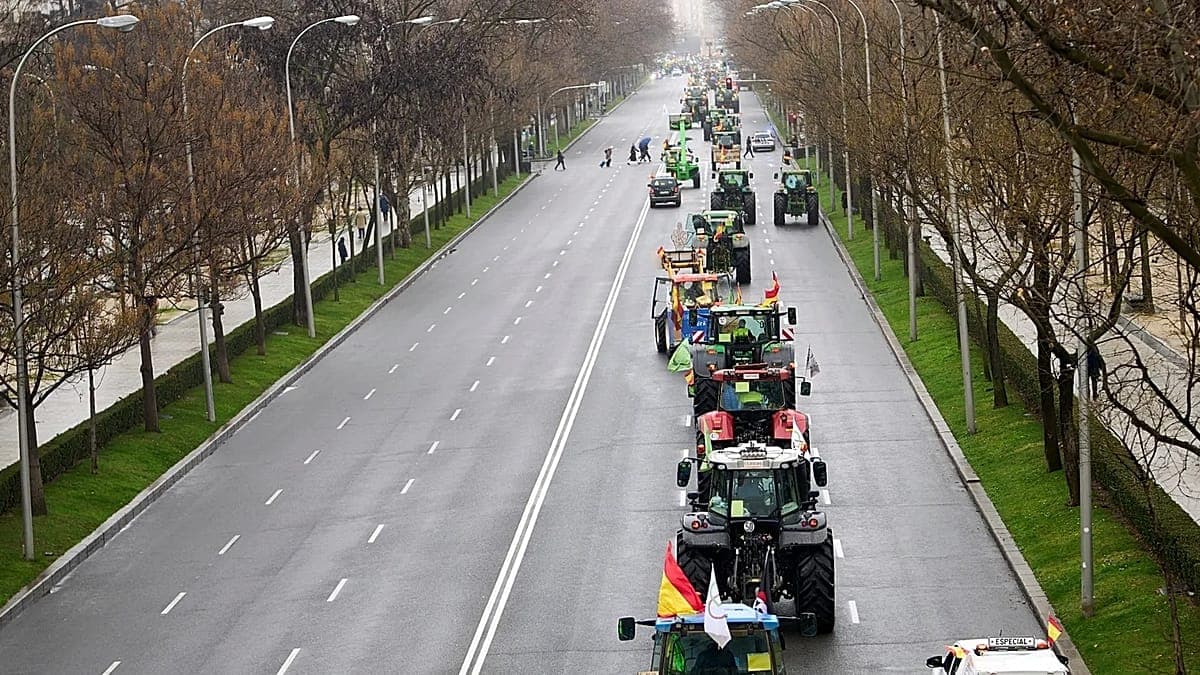
- •EU farmers protest, fearing competition from South American imports
- •Brazil, Argentina, Uruguay ratified; Paraguay pending
- •Deal creates market of 700 million consumers
Pulse Analysis
The EU‑Mercosur agreement, finally reaching provisional effect after a quarter‑century of negotiations, reflects a strategic pivot toward deeper South‑South trade ties amid rising global protectionism. By dismantling tariffs on the majority of goods, the pact opens a combined market of more than 700 million people, offering EU manufacturers, especially in machinery and automotive sectors, a cost‑effective gateway to fast‑growing Latin American economies. For Mercosur exporters, the removal of EU duties promises a surge in agricultural and commodity sales, potentially offsetting recent trade disruptions caused by geopolitical tensions.
Economically, the deal promises tangible gains: EU agribusinesses anticipate new export channels for wine, cheese and specialty meats, while South American producers eye expanded access for soy, beef and poultry. However, the agreement has ignited fierce domestic backlash, particularly from French and other European farmers who fear price undercutting and erosion of environmental standards. Environmental NGOs also warn that weaker safeguards could accelerate deforestation linked to Brazil’s beef and soy supply chains. Balancing these concerns with the projected increase in EU‑Mercosur trade—estimated at €100 billion over the next decade—will be a central policy challenge for Brussels.
Politically, the provisional application sidesteps a full parliamentary ratification, signaling the Commission’s willingness to prioritize economic imperatives over procedural consensus. The pending case before the Court of Justice could suspend the deal if it finds violations of EU law, especially regarding public procurement and sustainability clauses. Meanwhile, Germany and Spain champion the pact as a counterweight to China’s growing influence in Latin America. As Paraguay finalizes ratification and Bolivia contemplates membership, the agreement could evolve into a broader multilateral framework, reshaping trade dynamics across the Atlantic and setting a benchmark for future EU trade negotiations.
Contentious EU-Mercosur trade deal takes provisional effect
Comments
Want to join the conversation?
Loading comments...