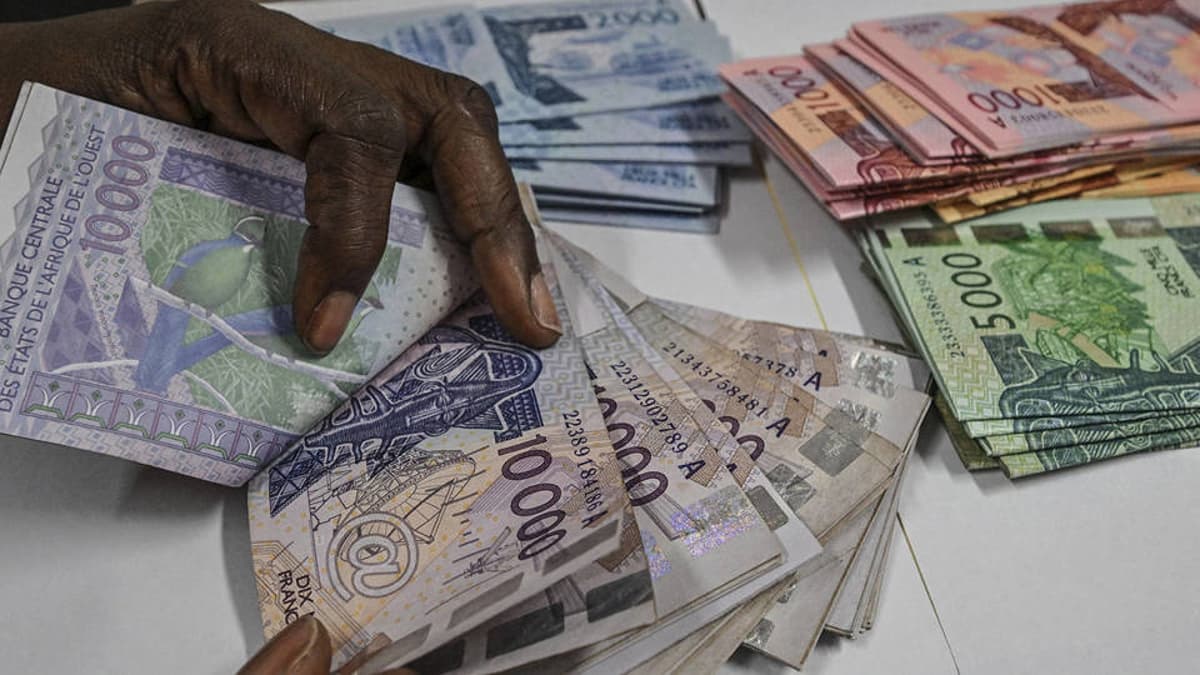
Debt Restructuring Is Senegal’s Best Bet
•February 23, 2026
0
Why It Matters
A successful restructuring could preserve Senegal’s macro‑stability and prevent a default that would ripple through West Africa’s financial markets. It also tests the flexibility of major sovereign creditors in a tightening global liquidity environment.
Key Takeaways
- •Debt at 132% of GDP strains fiscal space.
- •Restructuring offers cheaper relief than outright repayment.
- •Lenders include France, China, US, UK.
- •Default risk could trigger regional contagion.
- •IMF involvement critical for negotiation success.
Pulse Analysis
Senegal’s debt burden now exceeds 130 percent of its gross domestic product, a level that rivals the most distressed sovereigns in emerging markets. The surge reflects years of fiscal deficits, pandemic‑related spending, and a slowdown in export earnings. While the country’s debt‑to‑GDP ratio is alarming, it also signals a tipping point where traditional debt‑service strategies become unsustainable, prompting policymakers to explore restructuring as a viable exit route. This context is crucial for investors monitoring sovereign risk in the Sahel region, where fiscal health directly influences foreign‑direct investment and commodity trade flows.
The choice between full repayment and debt restructuring is not merely a balance‑sheet decision; it involves complex negotiations with a diverse creditor base that includes Paris, London, Washington and Beijing. Cheap liquidity has evaporated from global markets, raising the cost of rolling over existing bonds. In this environment, a structured restructuring—potentially involving haircuts, maturity extensions, and new financing instruments—offers a lower‑cost alternative to default. However, the success of such a plan depends on creditor willingness to concede terms that reflect Senegal’s repayment capacity while preserving their own portfolio returns. The involvement of multilateral institutions, particularly the International Monetary Fund, can provide the technical framework and credibility needed to align stakeholder interests.
The broader implications extend beyond Senegal’s borders. A managed restructuring could set a precedent for debt‑strained economies in West Africa, reinforcing the importance of coordinated creditor action and proactive policy reforms. Conversely, a disorderly default could trigger contagion, raising borrowing costs for neighboring states and destabilizing regional financial markets. For policymakers, the priority is to secure a credible restructuring agreement that restores fiscal space, supports essential public services, and maintains investor confidence. For investors, monitoring the negotiation dynamics and the IMF’s role will be key to assessing risk exposure and identifying opportunities in a market poised for potential turnaround.
Debt Restructuring Is Senegal’s Best Bet
0
Comments
Want to join the conversation?
Loading comments...