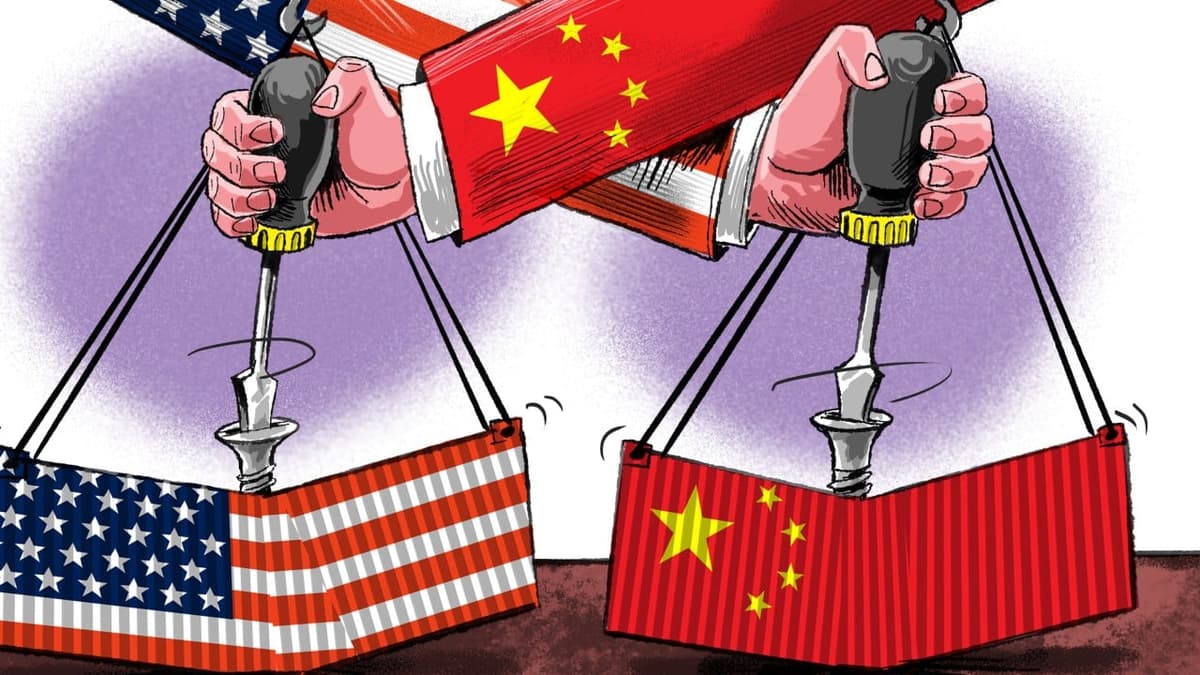
Despite Summit Pledges, Don’t Expect US-China Trade to Improve
Why It Matters
The clash between diplomatic overtures and tightening restrictions keeps global supply chains and market sentiment volatile, directly impacting multinational corporations and investors reliant on Sino‑U.S. trade flows.
Key Takeaways
- •New US‑China trade councils announced but lack concrete outcomes
- •US limits Chinese AI, quantum, semiconductor investments
- •PNTR revocation investigation raises export risk
- •FCC blocks Chinese telecom test lab certifications
- •Nine Chinese firms added to U.S. blacklist
Pulse Analysis
The recent Beijing summit rekindled hopes that the United States and China could move beyond a decade of tariff battles. While the joint trade and investment councils signal a diplomatic veneer, history shows that high‑level pledges often dissolve under domestic pressures. The 2017 Trump‑China visit, which boasted $250 billion in deals, quickly gave way to a full‑scale trade war, illustrating how quickly goodwill can evaporate when strategic interests collide.
Behind the summit rhetoric, Washington has rolled out a suite of measures that tighten the economic leash on Beijing. An investigation into revoking China’s PNTR status threatens to re‑impose higher tariffs and stricter market access barriers. Simultaneously, the Treasury’s rule curbing U.S. investment in Chinese AI, quantum computing, and semiconductor sectors, along with the 2026 National Defence Authorization Act’s ban on Chinese AI models in defense systems, signal a broader technology decoupling. The FCC’s new rule dismissing Chinese telecom test lab reports and the addition of nine Chinese firms to a sanctions list further constrict the operational landscape for Chinese exporters and U.S. firms dependent on Chinese components.
For businesses, the mixed signals translate into heightened risk management demands. Companies must diversify supply chains, reassess exposure to Chinese technology vendors, and monitor regulatory developments closely. While the councils may eventually produce procedural frameworks, the immediate outlook suggests continued friction, making strategic flexibility and compliance vigilance essential for navigating the uncertain U.S.–China trade environment.
Despite summit pledges, don’t expect US-China trade to improve
Comments
Want to join the conversation?
Loading comments...