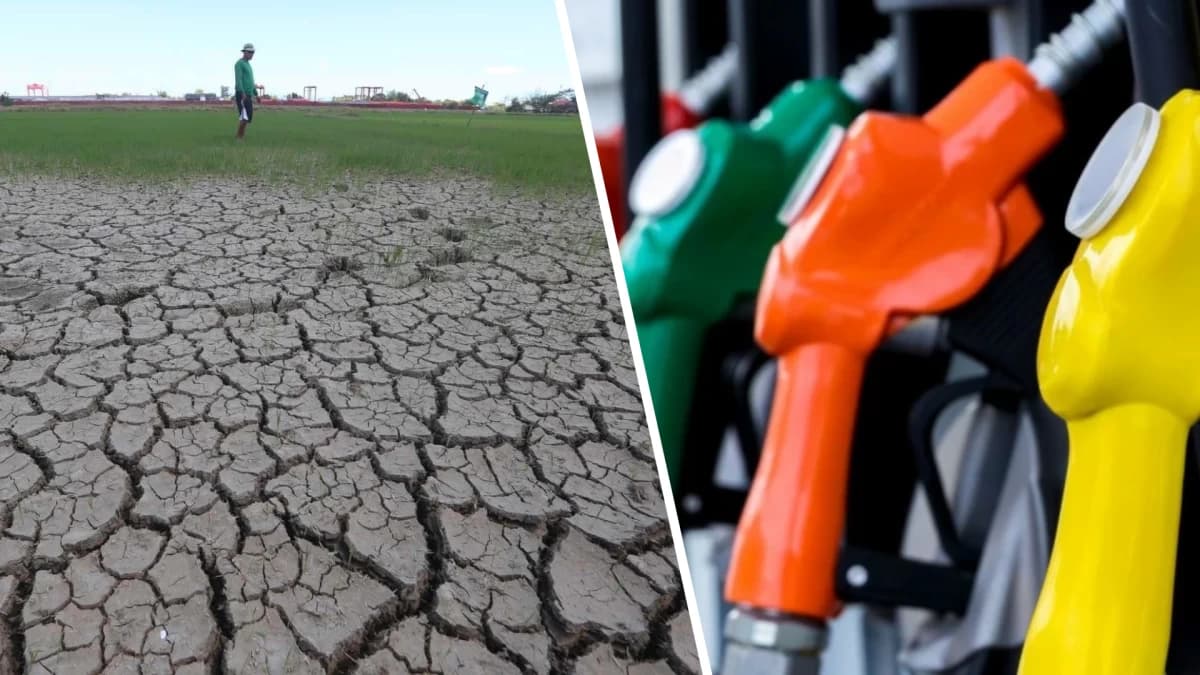
Deutsche Bank Flags Dual Inflation Risks From ‘Super’ El Niño, Middle East War
Why It Matters
Higher inflation and slower growth threaten household purchasing power and could force tighter monetary policy, challenging the Philippines' goal of sustained 5% economic expansion. The outlook signals heightened risk for investors and policymakers across the region.
Key Takeaways
- •Deutsche Bank raises 2024 Philippines inflation forecast to 6.5% from 4%
- •Super El Niño and Middle East conflict boost food, oil price spikes
- •DB expects two more 25‑bp hikes, lifting rate to 5% by 2026
- •Q1 GDP fell to 2.8%, sparking stagflation fears in the Philippines
Pulse Analysis
The convergence of a "super" El Niño and ongoing Middle East tensions is reshaping the Philippines' inflation landscape. Historically, El Niño events have driven up food prices by reducing agricultural yields, and this cycle appears unusually intense, extending into July. Coupled with higher global oil prices linked to the conflict, the price of essential commodities is surging, prompting Deutsche Bank to revise its 2024 inflation projection to 6.5%. This figure eclipses the central bank’s own estimate and marks the highest annual rate since the 2008 financial crisis, underscoring the severity of the price shock.
In response, the Bangko Sentral ng Pilipinas is likely to tighten monetary policy further. Deutsche Bank models two additional 25‑basis‑point hikes after the June and August moves already signaled, which would raise the benchmark rate from 4.5% to about 5% by late 2026. Higher rates increase borrowing costs for businesses and consumers, dampening credit growth and potentially slowing investment. For households already strained by rising food and fuel bills, the squeeze on disposable income could depress consumption, feeding a feedback loop that complicates the central bank’s dual mandate of price stability and growth.
The broader macro picture adds urgency. First‑quarter GDP slipped to 2.8%, the weakest pace in five years, and marks the third consecutive quarterly slowdown. With growth lagging regional peers such as Vietnam and Indonesia, analysts warn of emerging stagflation—a mix of stagnant growth and persistent inflation. If the inflation trajectory remains elevated while output contracts, the Philippines could struggle to meet its 5% growth target, prompting a reassessment of fiscal and structural reforms needed to boost productivity and resilience against climate‑related shocks. Investors should monitor policy signals and commodity price trends as key determinants of the country's near‑term economic health.
Deutsche Bank flags dual inflation risks from ‘super’ El Niño, Middle East war
Comments
Want to join the conversation?
Loading comments...