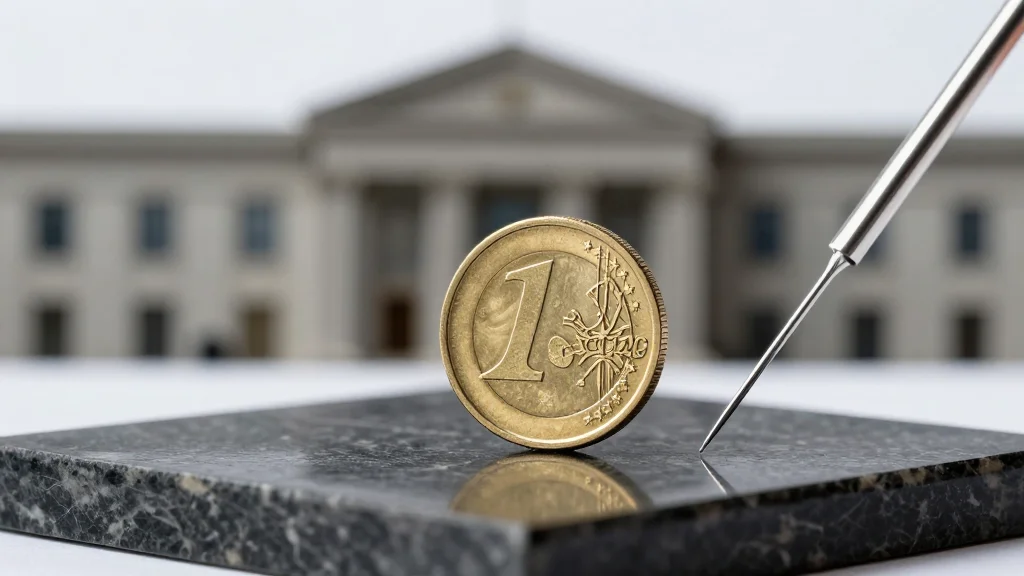
ECB Set to Lift Rates to 2.25% as Eurozone Inflation Hits 3.2%, Leading Global Tightening Cycle

Companies Mentioned

Why It Matters
The ECB’s rate hike will set the tone for monetary policy across the world’s largest currency bloc at a time when energy‑price shocks are reigniting inflation. By tightening ahead of the Federal Reserve and the Bank of England, the ECB signals that it prioritises price stability over short‑term growth, a stance that could raise borrowing costs for governments, businesses, and households throughout Europe. The decision also feeds into global capital flows, as higher euro yields attract investors seeking yield, potentially strengthening the euro against other major currencies and influencing emerging‑market financing conditions. For the broader global economy, the hike underscores the interconnectedness of geopolitical events, energy markets, and monetary policy. As oil prices stay elevated, central banks worldwide will have to balance the risk of entrenched inflation against the danger of stifling a still‑recovering post‑pandemic economy. The ECB’s move therefore acts as a bellwether for how policymakers may respond if energy‑driven price pressures persist into 2027.
Key Takeaways
- •ECB expected to raise deposit rate from 2.00% to 2.25% on Thursday, first hike in 2½ years.
- •Eurozone CPI surged to 3.2% YoY in May, well above the 2% target.
- •Oil prices average $87 per barrel after Iran‑Israel conflict, fueling inflation.
- •Fitch cuts 2026 global growth forecast to 2.4% and expects ECB hike to be reversed next year.
- •Croatia’s inflation at 5.2% and Cyprus faces loan‑demand slowdown amid higher rates.
Pulse Analysis
The ECB’s decision to tighten now reflects a strategic pivot from the post‑pandemic era of ultra‑low rates to a more conventional stance where inflation credibility trumps growth concerns. Historically, the ECB has been reluctant to hike aggressively, fearing that a weak eurozone could fragment. However, the current energy shock is reminiscent of the 2022‑23 period when the bank was forced to act after inflation breached 5%. This time, the policy response is calibrated: a modest 25‑basis‑point increase that signals vigilance without over‑tightening a sluggish economy.
The move also repositions the euro as a more attractive safe‑haven asset amid volatile U.S. Treasury yields. As the Fed holds rates steady pending its own inflation data, capital may flow into euro‑denominated bonds, supporting the euro’s exchange rate and easing financing pressures for euro‑area sovereigns. Yet the upside is limited; higher rates will raise debt service costs for countries like Italy and Spain, where public debt already exceeds 150% of GDP. The ECB will need to balance these fiscal strains against its mandate to anchor inflation expectations.
Looking forward, the real test will be whether the ECB can sustain a tightening path without triggering a deeper recession. If oil prices recede and the IT‑driven productivity boost highlighted by Fitch materialises, inflation could ease, allowing the ECB to pause or even consider cuts in 2027. Conversely, a prolonged energy crunch or a resurgence of geopolitical tensions could force a second hike later in 2026, cementing the eurozone’s role as the vanguard of global monetary tightening.
ECB Set to Lift Rates to 2.25% as Eurozone Inflation Hits 3.2%, Leading Global Tightening Cycle
Comments
Want to join the conversation?
Loading comments...