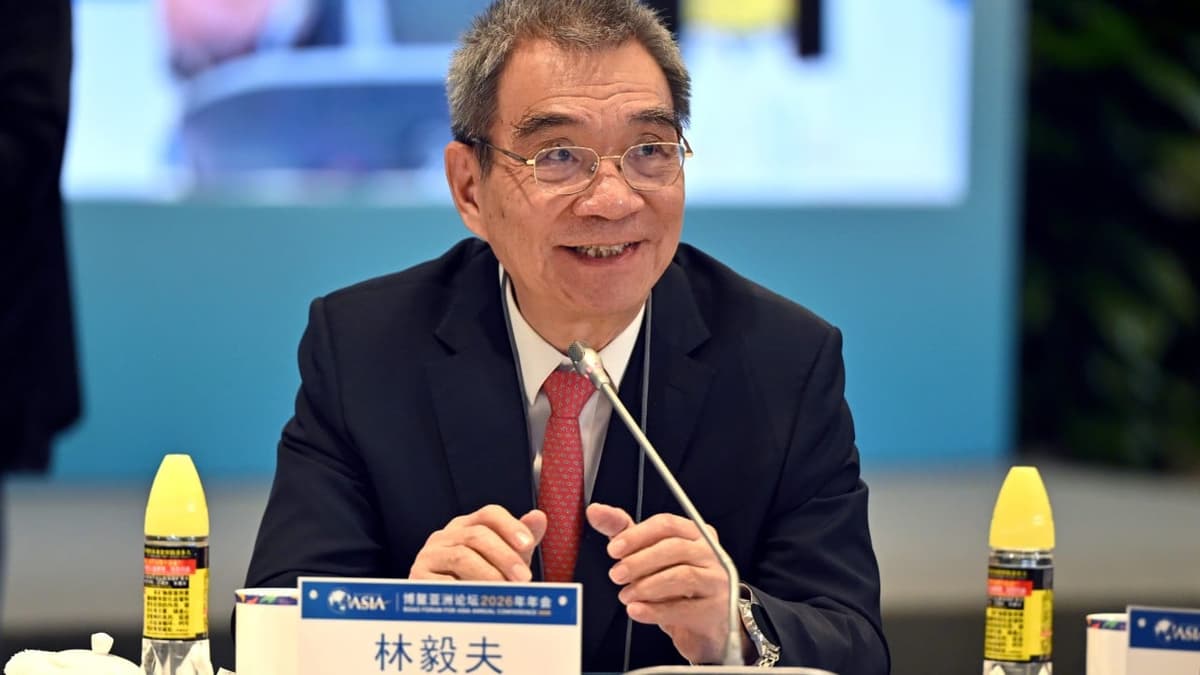
Economist Justin Lin Urges West to Adopt ‘Eastern Wisdom’ as China Moves up Value Chain
Companies Mentioned
Why It Matters
The debate reshapes trade policy by questioning protectionist arguments and highlights how China’s state‑led industrial strategy is redefining global competition in high‑tech sectors.
Key Takeaways
- •Lin compares China's auto export ratio to Germany's, calling it undercapacity.
- •He argues Western overcapacity claims are double standards.
- •State‑led industrial policy drives China's green tech leadership.
- •Developing nations urged to adopt Eastern wisdom over protectionism.
Pulse Analysis
The surge in Chinese vehicle exports has reignited a familiar Western narrative that frames China’s manufacturing boom as a symptom of overcapacity. Justin Lin, former World Bank chief economist, highlighted that China ships roughly 7 million cars annually—about 20 percent of its production—while Germany exports 4 million, representing 80 percent of its output. By using export‑to‑production ratios, Lin argues that China is actually operating below capacity relative to the German benchmark, exposing a logical inconsistency in the “overcapacity” label.
Beyond automobiles, China’s state‑guided industrial policy has propelled the country up the global value chain, especially in green technologies such as electric batteries, solar panels, and wind turbines. The coordinated approach—subsidies, strategic planning, and domestic market cultivation—has yielded scale economies that Western competitors struggle to match. However, the same mechanisms have triggered accusations of dumping and unfair trade practices from the United States and the European Union, feeding protectionist rhetoric and prompting calls for tariffs and export controls.
Lin’s appeal to “Eastern wisdom” suggests that advanced economies should reconsider protectionist reflexes and instead engage with China’s development model as a source of policy insight. For emerging markets, adopting elements of coordinated industrial strategy could accelerate technology adoption without sacrificing sovereignty. A shift toward collaborative standards, joint research, and balanced trade frameworks would mitigate geopolitical friction while allowing the West to benefit from China’s rapid innovation pace, ultimately reshaping the competitive landscape of high‑tech industries.
Economist Justin Lin urges West to adopt ‘Eastern wisdom’ as China moves up value chain
Comments
Want to join the conversation?
Loading comments...