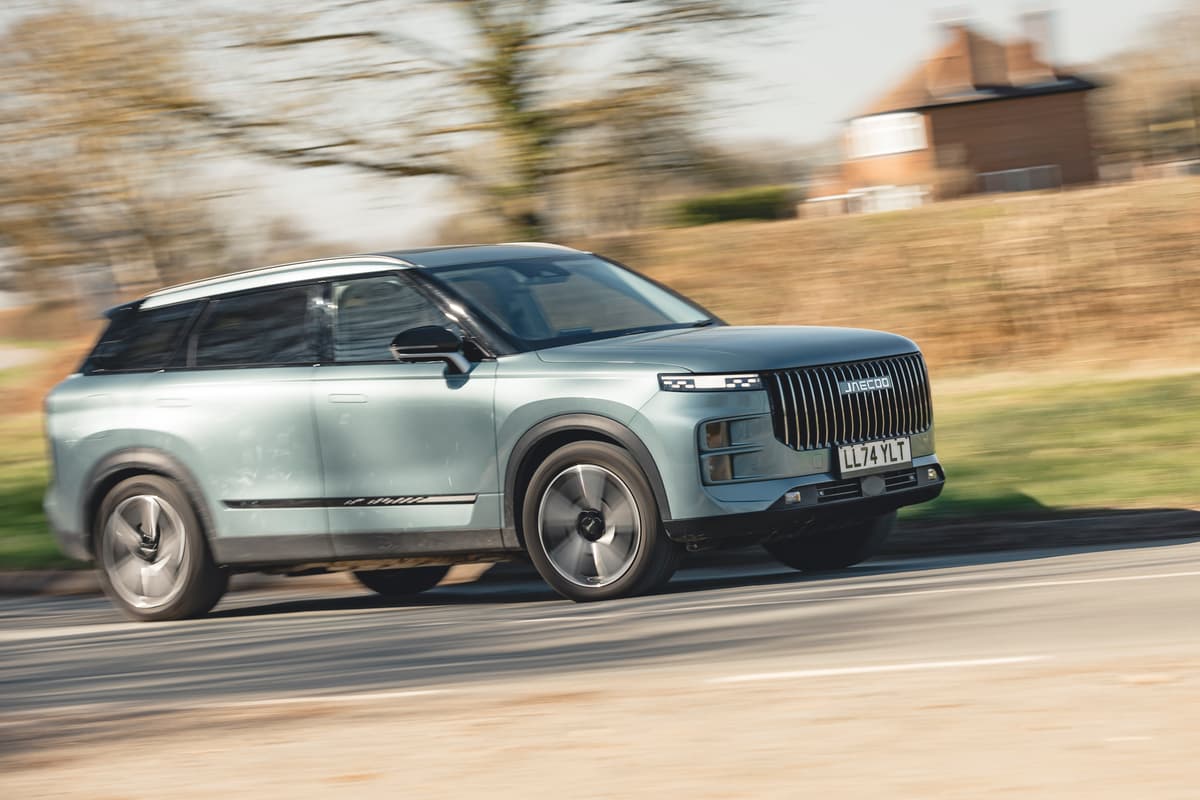
EU Could Impose Tariffs on Plug-In Hybrids From China
Companies Mentioned
Why It Matters
Tariffs could curb the rapid rise of Chinese PHEVs in the EU, protecting domestic manufacturers while potentially redirecting Chinese sales toward the tariff‑free UK market.
Key Takeaways
- •EU may apply up to 35% tariffs on Chinese PHEVs.
- •Chinese PHEV share in EU rose from 7% to 21% YoY.
- •BYD Seal U leads EU PHEV sales; Jaecoo 7 tops UK market.
- •UK remains tariff‑free, becoming Europe’s biggest market for Chinese cars.
- •Countervailing duties aim to offset Chinese state subsidies in drivetrain production.
Pulse Analysis
The European Union’s anti‑subsidy strategy, first applied to fully electric cars in October 2024, is now poised to expand to plug‑in hybrids built in China. By earmarking countervailing duties that could match the 35 % levy already imposed on Chinese EVs, Brussels signals that it views the rapid rise of Chinese drivetrain expertise as a market distortion fueled by generous state support. Policymakers argue that extending the tariff regime will level the competitive playing field for European manufacturers that lack comparable subsidies, while also preserving the EU’s climate‑transition goals.
EU registrations of plug‑in hybrids surged 28 % to 364,067 units in the first four months of 2024, with Chinese models accounting for roughly one‑fifth of that volume. Data from ACEA and Dataforce show Chinese PHEV market share climbing from 7 % to 21 % year‑over‑year, propelled by brands such as BYD, MG and the UK‑based Jaecoo. The surge has put pressure on legacy European automakers, whose hybrid offerings lag behind in cost and range. Meanwhile, Britain has opted out of the tariff package, turning the island into the continent’s largest destination for Chinese‑built PHEVs, now holding 44 % of the UK market.
If Brussels finalises the PHEV duties, Chinese manufacturers may accelerate a pivot toward the tariff‑free UK, intensifying competition for domestic firms such as Jaguar Land Rover and Vauxhall. The policy could also spur European OEMs to accelerate their own electrified‑powertrain programs, narrowing the technology gap that Chinese subsidies have widened. Analysts warn that higher import costs might push some consumers toward conventional hybrids or diesel models, potentially slowing the overall decarbonisation trajectory in the region. Nonetheless, the move underscores a broader trend: governments are increasingly using trade tools to shape the pace and geography of the electric‑vehicle transition.
EU could impose tariffs on plug-in hybrids from China
Comments
Want to join the conversation?
Loading comments...